Harish Rana Dies at AIIMS After SC Approves Passive Euthanasia
Harish Rana, the first Indian granted permission for passive euthanasia by the Supreme Court, passed away at AIIMS Delhi. The court had allowed the withdrawal of his life support after a prolonged legal battle.
Key Highlights
- Harish Rana, India's first passive euthanasia case, passes away.
- Supreme Court had permitted withdrawal of medical treatment.
- Rana was on life support at AIIMS for a long duration.
- His family fought a 13-year legal and medical battle.
- The case highlights complex end-of-life care issues in India.
Harish Rana, a landmark figure in India's discourse on end-of-life care, has passed away at the All India Institute of Medical Sciences (AIIMS) in Delhi. His death comes after the Supreme Court of India had granted permission for the withdrawal of his medical treatment, a decision that recognized the concept of passive euthanasia in the country. Rana had been on life support for a considerable period, and his family had been engaged in a protracted legal and medical struggle for 13 years, seeking the right to discontinue his treatment.
The legal battle, which culminated in the Supreme Court's historic verdict, focused on the sensitive issue of passive euthanasia, where the cessation of life-sustaining treatment is permitted. This case marked a significant moment for India, as it was the first time the apex court had explicitly allowed such a withdrawal, thereby setting a precedent and initiating a broader conversation about the rights of terminally ill patients and their families.
AIIMS had been providing medical care to Rana, and the decision to withdraw support was a deeply emotional and legally complex one, guided by the Supreme Court's directive. Reports from neighbours indicated the family's unwavering dedication and the immense emotional toll the 13-year ordeal had taken on them. Their perseverance in seeking legal recourse underscored the profound challenges faced by families dealing with prolonged critical illnesses and the ethical dilemmas surrounding life support.
The Supreme Court's ruling in Rana's case was not just about an individual's right to die with dignity but also about establishing legal frameworks for such sensitive situations. It acknowledged the suffering of patients in irreversible comatose states or those with no hope of recovery, and the right of their next of kin to make decisions on their behalf, in accordance with established medical ethics and legal guidelines. The court had emphasized that such decisions should be taken with utmost care, involving medical experts and judicial oversight, to prevent misuse and uphold the sanctity of life.
Rana's case brought to the forefront the need for clear guidelines on euthanasia and end-of-life care in India, a country where such discussions have often been overshadowed by cultural and religious sensitivities. The legal fraternity, medical professionals, and the public alike have engaged in debates surrounding the ethical, moral, and legal implications of passive euthanasia. His passing, while a personal tragedy for his family, also signifies the conclusion of a case that has undeniably shaped the legal and ethical landscape of medical treatment withdrawal in India.
The prolonged period Rana spent on life support, coupled with the extensive legal proceedings, highlights the intricate challenges within the Indian healthcare system concerning advanced directives, palliative care, and the rights of patients to refuse or withdraw treatment. The intervention of the Supreme Court provided a crucial legal pathway, ensuring that such decisions are not left solely to the discretion of medical professionals or families, but are guided by judicial scrutiny, especially in the absence of specific legislation on the matter.
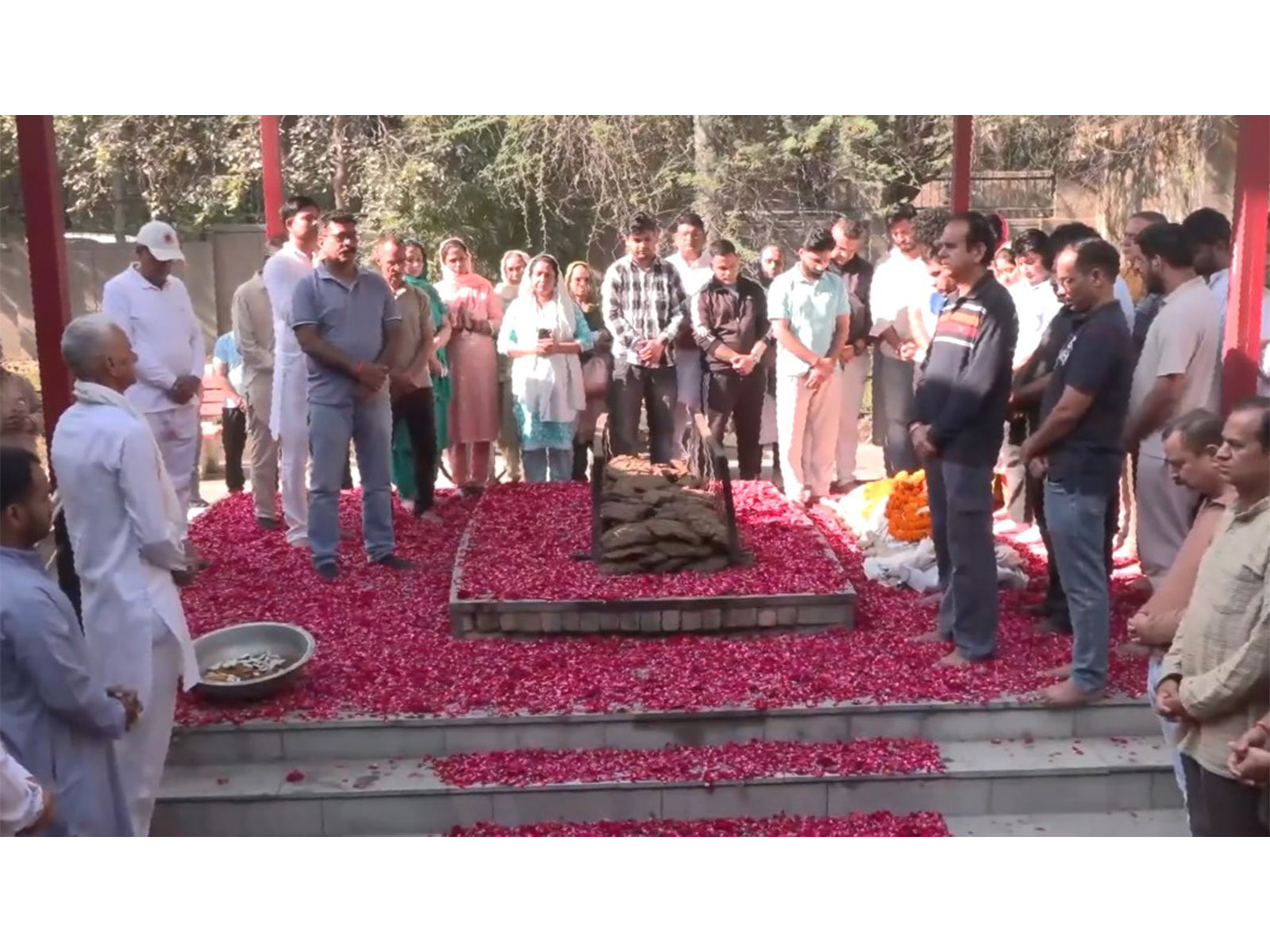
Following the Supreme Court's order, the AIIMS medical board, in conjunction with Rana's family, proceeded with the withdrawal of life support. This action was taken in accordance with the court's sensitive handling of the case, which balanced the desire to uphold life with the recognition of an individual's right to avoid prolonged suffering. The case serves as a testament to the evolving legal and ethical standards in India, particularly concerning the complex interplay between medical intervention, patient autonomy, and familial consent in dire medical circumstances. The cremation of Harish Rana in Delhi, as reported by various news outlets, marked the final rites for an individual whose life story became intrinsically linked with a pivotal legal and ethical battle in India.
Frequently Asked Questions
What is passive euthanasia?
Passive euthanasia involves the withdrawal or withholding of life-sustaining treatments from a patient who is terminally ill or in an irreversible vegetative state, with the intention of allowing the natural process of death to occur. It is distinct from active euthanasia, where a medical professional administers a substance to end a patient's life.
What was the significance of Harish Rana's case in India?
Harish Rana's case was significant as it marked the first time the Supreme Court of India permitted the withdrawal of life-sustaining medical treatment, thereby acknowledging passive euthanasia under specific, stringent conditions. This ruling set a legal precedent in India for end-of-life care decisions.
How long was Harish Rana on life support?
Harish Rana was on life support for a prolonged period, with reports indicating his family had been engaged in a 13-year struggle involving legal and medical interventions before the Supreme Court allowed the withdrawal of his treatment.
What role did the Supreme Court play in this case?
The Supreme Court of India played a crucial role by hearing the plea from Harish Rana's family and granting permission for the withdrawal of his medical treatment. This decision was based on a thorough consideration of the patient's condition, the family's wishes, and the ethical and legal implications of passive euthanasia.