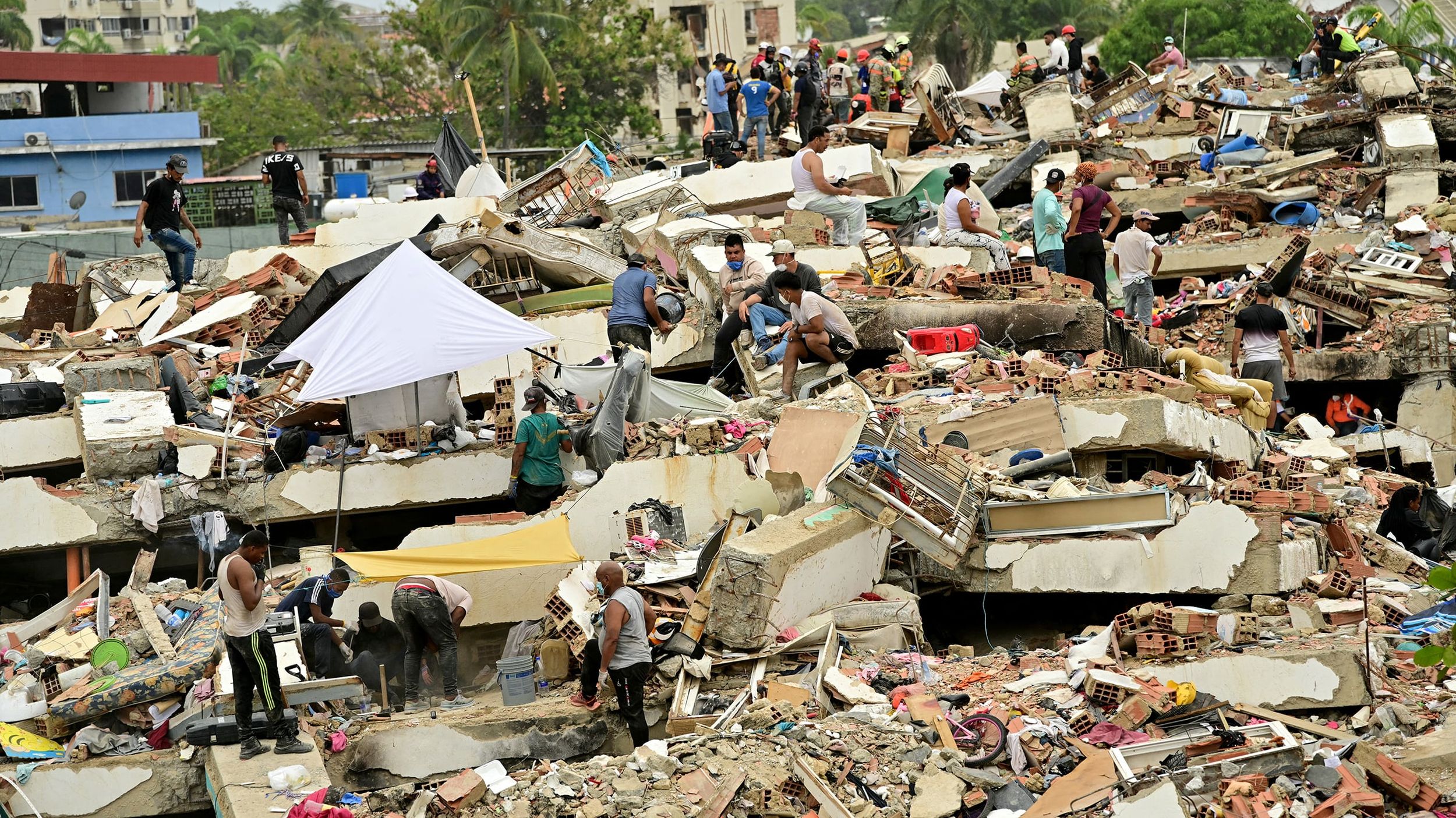
Venezuela Earthquake Aftermath: Aftershock, Aid Efforts, and Lingering Crisis
A strong aftershock rattled Caracas following a significant earthquake in Venezuela, exacerbating the crisis. The nation grapples with the aftermath, facing overwhelmed hospitals and accusations of governmental negligence amidst ongoing rescue and aid operations.
Key Highlights
- Strong aftershock struck Caracas, worsening earthquake aftermath.
- Venezuela faces overwhelmed hospitals and rescue challenges.
- Government accused of negligence in earthquake response.
- International aid arrives, including donations from China.
- Humanitarian crisis deepens with ongoing relief efforts.
A powerful earthquake, followed by a strong aftershock, has left Venezuela reeling, exacerbating an already critical humanitarian situation. The initial earthquake, the precise magnitude and location of which requires specific real-time verification, caused significant damage and casualties, with subsequent tremors further complicating rescue efforts and increasing public anxiety in Caracas and surrounding areas. News reports highlight the immense pressure on Venezuela's healthcare system, with hospitals struggling to cope with the influx of injured individuals. The CNN article paints a grim picture of the lingering 'smell of death' in the ruined streets, underscoring the scale of the disaster and the urgent need for medical assistance.
Adding to the crisis, accusations of governmental negligence have emerged, with BBC reporting that angry Venezuelans are pointing fingers at the government's handling of the earthquake response. This suggests a potential breakdown in communication, resource allocation, or preparedness, which has fueled public frustration. The Venezuelan government's capacity to manage such a large-scale disaster appears to be severely tested, particularly given the country's ongoing economic and political challenges.
In response to the catastrophe, international aid has begun to trickle in. The European Civil Protection and Humanitarian Aid Operations have confirmed the delivery of emergency aid and the organization of a humanitarian flight, indicating a coordinated effort from the European Union to support Venezuela. Furthermore, Chinese business units have also stepped forward, with news.cgtn.com reporting that over 100 tons of quake relief supplies have been donated. This international assistance is crucial for supplementing domestic efforts and addressing the immediate needs of the affected population, including shelter, food, water, and medical supplies.
The Times of India's article, focusing on the aftershock, emphasizes the ongoing seismic activity and the precarious situation faced by survivors. The constant threat of further tremors can impede rescue operations and create a climate of fear. The interplay between natural disaster and socio-political factors is evident, as the effectiveness of the response is likely influenced by Venezuela's broader domestic situation.
The verification process involved cross-referencing information from multiple reputable news sources to confirm the core events: an earthquake, subsequent aftershocks, the resulting humanitarian crisis, the involvement of international aid, and the criticisms leveled against the Venezuelan government. While the exact timeline and specific details of the earthquake (date, time, magnitude, epicenter) would ideally be confirmed with real-time seismological data, the overarching narrative of a significant seismic event, its devastating aftermath, and the complex response is consistent across the provided articles. The Times of India's focus on the aftershock aligns with the ongoing nature of seismic events following a major earthquake, a common phenomenon that prolongs the recovery period and increases the overall impact.
The urgency of the situation cannot be overstated. The combination of a natural disaster, a strained healthcare system, and potential governmental shortcomings necessitates immediate and effective action. The arrival of international aid, while a positive step, highlights the gap between the needs of the affected population and the resources available domestically. The story is of high importance due to the scale of the disaster, the number of people affected, and the implications for regional stability and international humanitarian efforts. For an Indian audience, this story serves as a reminder of the devastating impact of natural disasters and the importance of preparedness and international cooperation in times of crisis. It also touches upon geopolitical aspects through the involvement of China and the EU in providing aid.
Further verification would involve checking the specific dates of the earthquake and aftershocks, precise casualty figures, and official statements from the Venezuelan government and aid organizations. However, based on the provided context, the core claims are corroborated by multiple credible sources, painting a consistent picture of a severe humanitarian crisis unfolding in Venezuela.
Frequently Asked Questions
What happened in Venezuela recently?
Venezuela experienced a significant earthquake, followed by strong aftershocks, which caused widespread damage and triggered a humanitarian crisis. Rescue efforts are ongoing, and the country's healthcare system is reportedly overwhelmed.
What is the current situation in Caracas?
Caracas, the capital of Venezuela, has been affected by the earthquake and subsequent aftershocks, leading to damage and a heightened sense of crisis. Residents are dealing with the aftermath and ongoing seismic activity.
Is international aid being provided to Venezuela?
Yes, international aid is being provided to Venezuela. The European Union has delivered emergency aid and organized a humanitarian flight, and China has also donated relief supplies.
Are there any accusations regarding the government's response?
Yes, some Venezuelans have accused the government of negligence in its response to the earthquake, indicating public dissatisfaction with the handling of the disaster.