ISRO's PSLV-C62 Mission to Launch Strategic Satellite, Test On-Orbit Refuelling | Quick Digest
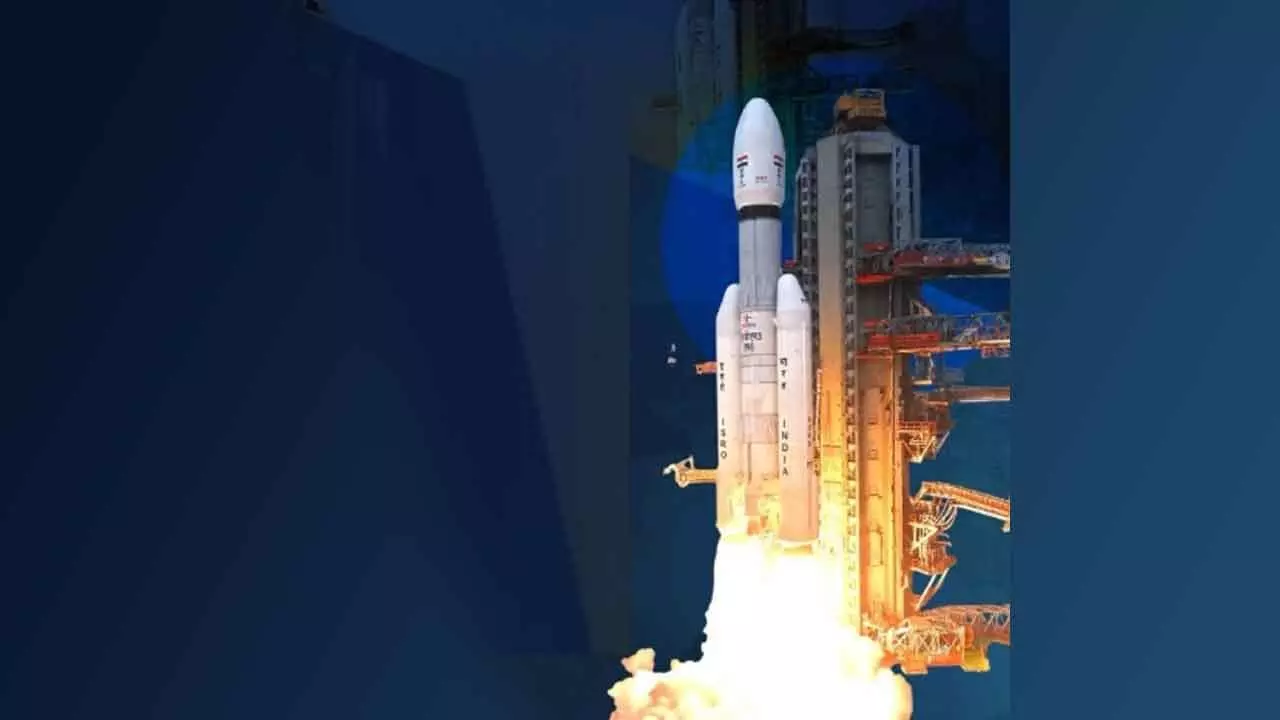
ISRO is set to launch the PSLV-C62 mission on January 12, 2026, carrying the strategic EOS-N1 (Anvesha) Earth observation satellite and 18 co-passenger payloads. The mission includes India's first on-orbit refuelling demonstration and satellites from multiple countries.
ISRO's PSLV-C62 mission scheduled for January 12, 2026, from Sriharikota.
Primary payload is EOS-N1 (Anvesha), a hyperspectral strategic surveillance satellite.
Mission includes India's first on-orbit satellite refuelling payload, AayulSAT.
Carries 18 co-passenger satellites for Indian states and international customers.
Nepal's Earth observation satellite and a Spanish re-entry demonstrator are also aboard.
Marks PSLV's return to flight after the PSLV-C61 mission setback in May 2025.
The Indian Space Research Organisation (ISRO) is gearing up for its first mission of 2026, the PSLV-C62 / EOS-N1 Mission, scheduled for lift-off on Monday, January 12, 2026, at 10:17 AM IST from the First Launch Pad at Satish Dhawan Space Centre, Sriharikota. This mission is highly significant, particularly as it follows a setback from the PSLV-C61 mission in May 2025. The primary payload for PSLV-C62 is EOS-N1, codenamed 'Anvesha', an advanced hyperspectral Earth observation satellite primarily developed for the Defence Research and Development Organisation (DRDO). It is designed to significantly enhance India's strategic surveillance and reconnaissance capabilities by identifying materials on the ground through hundreds of wavelengths.
Beyond EOS-N1, the PSLV-C62 mission will carry 18 co-passenger satellites for various Indian and international customers. A notable aspect is the inclusion of AayulSAT, developed by Bengaluru-based OrbitAID Aerospace, which marks India's maiden on-orbit satellite refuelling payload. This technology demonstration aims to extend satellite lifespans and address space debris challenges. Hyderabad-based Dhruva Space is also enabling ten space missions under its 'Polar Access-1' program as part of this launch, deploying satellites for disaster communication, environmental monitoring, and education across six Indian states and two nations. Among the international payloads is an Earth observation and technology demonstration satellite for Nepal, developed by its Academy of Science and Technology. Additionally, a European demonstrator, the Kestrel Initial Demonstrator (KID) from a Spanish startup, will attempt an experimental re-entry. The mission utilizes the PSLV-DL variant and is a dedicated commercial mission undertaken by NewSpace India Limited (NSIL).
Read the full story on Quick Digest