Russia-Ukraine Talks in Abu Dhabi: Prisoner Swap Achieved, No Peace Breakthrough
Recent US-brokered peace talks between Russia and Ukraine in Abu Dhabi concluded without a breakthrough on ending the ongoing war. However, a significant prisoner exchange of 314 individuals and the resumption of high-level military dialogue were achieved, marking a notable diplomatic step amidst persistent conflict.
Key Highlights
- US-brokered Russia-Ukraine peace talks held in Abu Dhabi on February 4-5, 2026.
- Talks concluded without a major breakthrough towards ending the full-scale war.
- A significant prisoner exchange of 314 individuals (157 each side) was successfully conducted.
- US and Russia agreed to re-establish high-level military-to-military dialogue, suspended since 2021.
- Ukrainian and Russian officials described the negotiations as 'productive' and 'constructive'.
- The conflict continues with ongoing Russian attacks, nearing its four-year anniversary.
The latest round of United States-brokered peace negotiations between Russia and Ukraine concluded in Abu Dhabi, United Arab Emirates, on February 5, 2026, marking a second day of discussions without achieving a decisive breakthrough towards ending the protracted conflict. Despite the absence of a comprehensive peace agreement, the talks yielded tangible diplomatic results, most notably a significant prisoner exchange and the agreement to restore high-level military communications between the US and Russia.
A key achievement from the Abu Dhabi discussions was the reciprocal exchange of 314 prisoners of war, with both Ukraine and Russia each releasing 157 individuals. This prisoner swap was hailed as a positive outcome, marking the first such agreement between the warring nations in five months. Ukrainian President Volodymyr Zelenskyy confirmed the exchange, expressing gratitude to all involved in facilitating the return of Ukrainian soldiers, sergeants, officers, and civilians, many of whom had been in captivity since 2022. The Russian Defence Ministry also confirmed the return of its servicemen and three Russian civilians, noting the humanitarian assistance provided by the United Arab Emirates and the United States in the process.
Beyond the prisoner exchange, a crucial development was the agreement between the United States and Russia to re-establish high-level military-to-military dialogue. This communication channel had been suspended since 2021, prior to Russia's full-scale invasion of Ukraine in February 2022. The US military's European Command stated that this restored dialogue 'will provide a consistent military-to-military contact as the parties continue to work towards a lasting peace.' This step is seen as a sign of potentially warming relations between the two global powers, particularly since President Donald Trump took office and emphasized efforts to de-escalate the conflict in Ukraine.
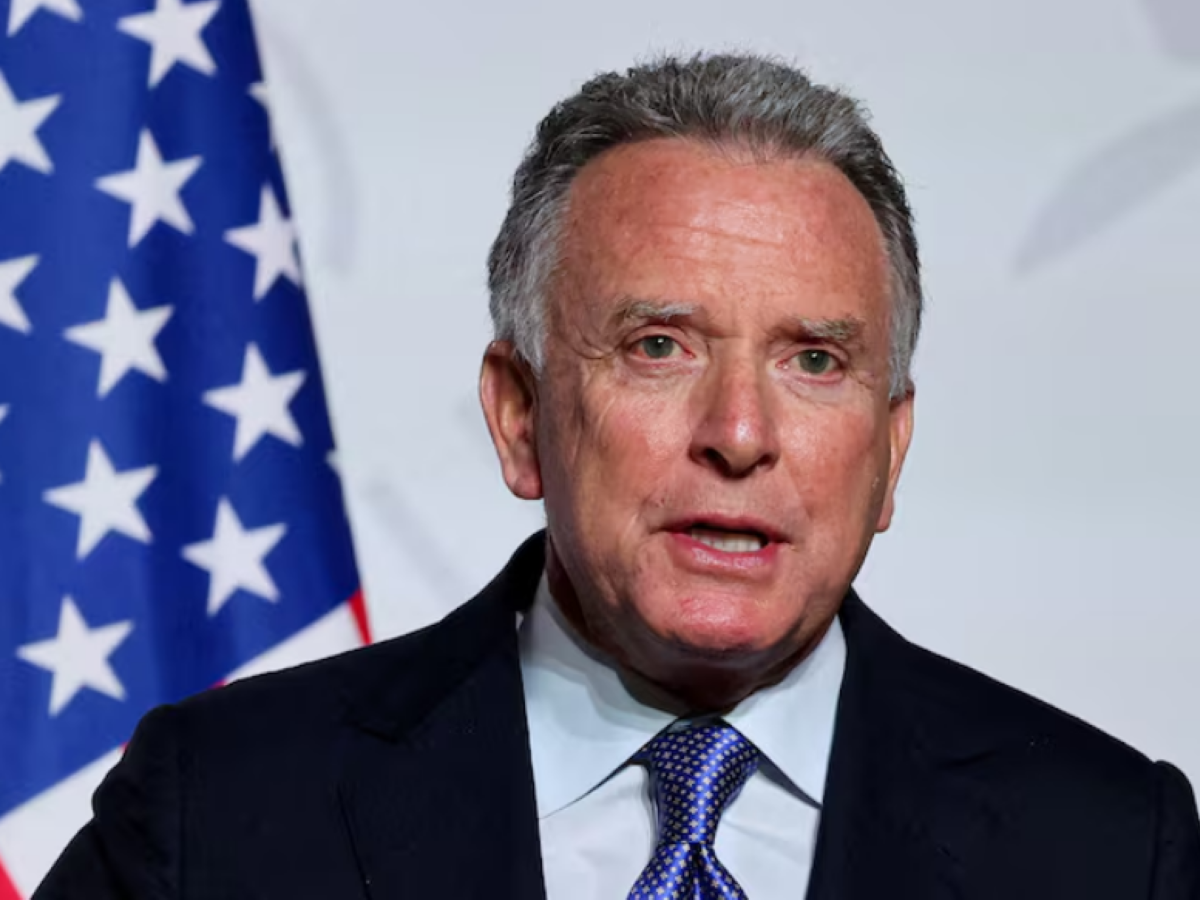
While the talks did not produce a definitive peace accord, both Ukrainian and Russian representatives described the negotiations as 'productive' and 'constructive.' US special envoy Steve Witkoff, who led the American mediation team alongside Jared Kushner, acknowledged that 'significant work remains' to achieve peace but highlighted the prisoner swap as evidence that 'sustained diplomatic engagement is delivering tangible results.' Ukraine's National Security and Defence Council Secretary Rustem Umerov also characterized the discussions as 'substantive and productive,' focusing on concrete steps and practical solutions.
However, the path to a comprehensive peace remains fraught with significant challenges. The war is rapidly approaching its four-year anniversary on February 24, 2026, with intense fighting continuing on the ground. Russia has continued its offensive operations, including drone strikes on Ukraine's energy infrastructure, impacting cities like Sumy, Kyiv, and Kharkiv and causing civilian casualties and widespread power outages amid freezing temperatures. Recent disclosures by President Zelenskyy revealed a staggering human toll, with an estimated 55,000 Ukrainian soldiers killed since the 2022 invasion, underscoring the urgency for diplomatic solutions.
Key contentious issues, such as territorial integrity—with Russia demanding Ukraine cede annexed regions and Ukraine rejecting any territorial concessions—remain largely unresolved. Moscow has consistently stated that any agreement must include Ukraine accepting its 'draconian terms,' which include a cap on Ukraine's military and a ban on Western troops on its territory. Conversely, Kyiv insists on a full withdrawal of Russian troops, the return of all prisoners and kidnapped Ukrainian children, and robust security guarantees.
The trilateral format of the talks, involving Ukraine, Russia, and the United States, signals a more serious diplomatic approach than previous rounds, with senior military and intelligence officials participating from both Kyiv and Moscow. US Secretary of State Marco Rubio noted that technical military teams from Ukraine and Russia were meeting directly with US participation, indicating a deeper level of engagement.
For an Indian audience, the developments are particularly relevant given India's intricate diplomatic balancing act between its historical ties with Russia and growing strategic partnerships with Western nations. The potential for de-escalation or, conversely, escalation of the conflict, directly impacts global energy markets, trade routes, and geopolitical stability, all of which have significant implications for India's economic and strategic interests. The renewal of military contacts between the US and Russia, under the mediation efforts, also presents a complex dynamic for India's foreign policy considerations. While these talks did not deliver an immediate end to hostilities, the consensus on prisoner exchanges and the resumption of military dialogue offer a glimmer of hope for future diplomatic progress in one of the world's most critical ongoing conflicts.
Frequently Asked Questions
What were the main outcomes of the Russia-Ukraine talks in Abu Dhabi?
The recent US-brokered talks in Abu Dhabi on February 4-5, 2026, resulted in a significant prisoner exchange of 314 individuals (157 from each side) and an agreement between the US and Russia to re-establish high-level military-to-military dialogue. However, they did not achieve a breakthrough on ending the overall war.
How many prisoners were exchanged and when was the last exchange?
Russia and Ukraine exchanged a total of 314 prisoners of war, with 157 individuals returned by each side. This marked the first prisoner exchange between the two nations in five months, with the last one occurring on October 2, 2025.
Why are the renewed US-Russia military contacts significant?
The agreement to re-establish high-level military-to-military dialogue between the US and Russia is significant because this communication channel had been suspended since 2021. It provides a consistent contact point as diplomatic efforts continue, and is seen as a sign of potentially improving relations, especially under the Trump administration's efforts to de-escalate the conflict.
Did these talks bring the Russia-Ukraine war closer to an end?
While the talks were described as 'productive' and 'constructive' by participants, they did not lead to a major breakthrough or a comprehensive peace agreement to end the war. Significant disagreements, particularly over territorial issues and Russia's demands, persist.
What is the current status of the Russia-Ukraine war?
The Russia-Ukraine war is ongoing and nearing its fourth anniversary in February 2026. Russian forces continue offensive operations and drone strikes on Ukrainian cities and infrastructure, while Ukraine reports significant military casualties. Diplomatic efforts continue in parallel with sustained military conflict.