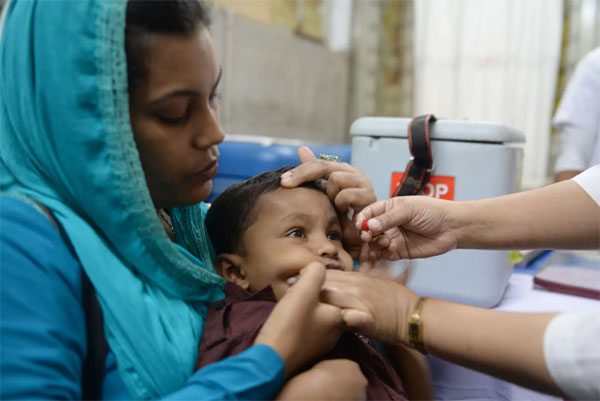
Bangladesh measles outbreak: Nearly 87K cases, 656 deaths reported
Bangladesh is grappling with a severe measles outbreak, reporting nearly 87,000 suspected cases and 656 deaths in three months since March 15. The outbreak, affecting all districts, disproportionately impacts children under five. A nationwide vaccination campaign is underway, but gaps in routine immunization and other factors have contributed to the surge.
Key Highlights
- Over 86,900 suspected measles cases reported in three months.
- More than 650 deaths, primarily among children, have been recorded.
- A nationwide measles-rubella vaccination campaign is active.
- Immunity gaps and disruptions in routine immunization fuel the outbreak.
- Cross-border spread to India and Myanmar is a significant concern.
Bangladesh is facing a severe measles outbreak, with official health data indicating nearly 87,000 suspected cases and 656 deaths recorded in just three months, from March 15 to June 15, 2026. The epidemic has spread across all 64 districts of the country, highlighting the widespread nature of the transmission. The majority of those affected are children under five years of age, with a significant proportion being infants under two years. This outbreak represents a concerning reversal of Bangladesh's previous progress towards measles elimination, underscoring the fragility of immunization gains.
The current surge in cases is attributed to accumulated immunity gaps in the population, exacerbated by disruptions to routine immunization programs. Factors contributing to these gaps include a nationwide vaccine shortage between 2024-2025 and the impact of the COVID-19 pandemic on routine immunizations in previous years. While Bangladesh had achieved significant progress in measles control through mass immunization campaigns, a decline in vaccination coverage in recent years, particularly for the second dose of the measles-rubella (MR) vaccine, has left a substantial number of children vulnerable. According to the national Expanded Programme on Immunization (EPI), routine MR1 coverage has seen a slight decline, and MR2 coverage has dropped significantly, leading to a situation where herd immunity (at least 95% coverage with two doses) has not been maintained.
In response to the escalating crisis, the Bangladeshi government, with support from international organizations like WHO and UNICEF, launched a nationwide measles-rubella (MR) vaccination campaign on April 5, 2026. This campaign aims to vaccinate millions of children, with initial efforts focusing on high-burden areas and densely populated settlements. Reports indicate that the vaccination campaign has achieved high coverage rates, with millions of children vaccinated and divisional coverage exceeding targets in some areas. However, the continued spread of the virus despite these efforts raises concerns about vaccine effectiveness, coverage gaps, and the overall resilience of the healthcare system.
The World Health Organization (WHO) has assessed the risk of cross-border spread to neighboring countries, particularly India and Myanmar, as considerable due to the high transmissibility of measles and population mobility. Cities with active measles cases, such as Jashore and Chapainawabganj, share busy land crossings with India, increasing the risk of introduction across the border. India, despite generally high vaccination coverage, has also reported a rise in measles cases in recent months, making it particularly vigilant. The situation in Myanmar is further complicated by ongoing conflict and limited surveillance capacities.
The severity of the outbreak in Bangladesh, characterized by a case fatality rate of around 0.9%, is substantially higher than in countries like the United States, reflecting factors such as widespread malnutrition among children, which increases susceptibility to severe measles and can reduce vaccine effectiveness. The overwhelmed healthcare system is struggling to cope with the influx of patients, with hospitals operating beyond capacity.
The measles outbreak in Bangladesh highlights the critical importance of maintaining robust routine immunization programs and the devastating consequences of even temporary disruptions. The international community, including organizations like WHO, UNICEF, and Gavi, has been actively involved in supporting Bangladesh's response efforts, providing vaccines, medical supplies, and technical expertise. The ongoing vaccination campaign and strengthened surveillance are crucial to controlling the current outbreak and preventing future resurgence, as well as mitigating the risk of international spread.
Frequently Asked Questions
What is the current number of measles cases and deaths in Bangladesh?
As of June 15, 2026, Bangladesh has reported nearly 87,000 suspected measles cases and 656 deaths since the outbreak began on March 15, 2026.
What are the main factors contributing to the measles outbreak in Bangladesh?
The outbreak is primarily attributed to accumulated immunity gaps resulting from disruptions in routine immunization programs, a nationwide vaccine shortage in 2024-2025, and a decline in vaccination coverage in recent years.
What measures are being taken to control the measles outbreak?
A nationwide measles-rubella (MR) vaccination campaign was launched on April 5, 2026, supported by international organizations like WHO and UNICEF. Efforts include targeted vaccination in high-burden areas and strengthening surveillance.
What is the risk of measles spreading to neighboring countries like India?
The World Health Organization (WHO) considers the risk of cross-border spread to India and Myanmar to be considerable due to the high transmissibility of measles and population movement. However, India's generally high vaccination coverage may mitigate the risk of a widespread epidemic.