Pakistan hikes petrol, diesel prices by PKR 55/litre amid West Asia conflict
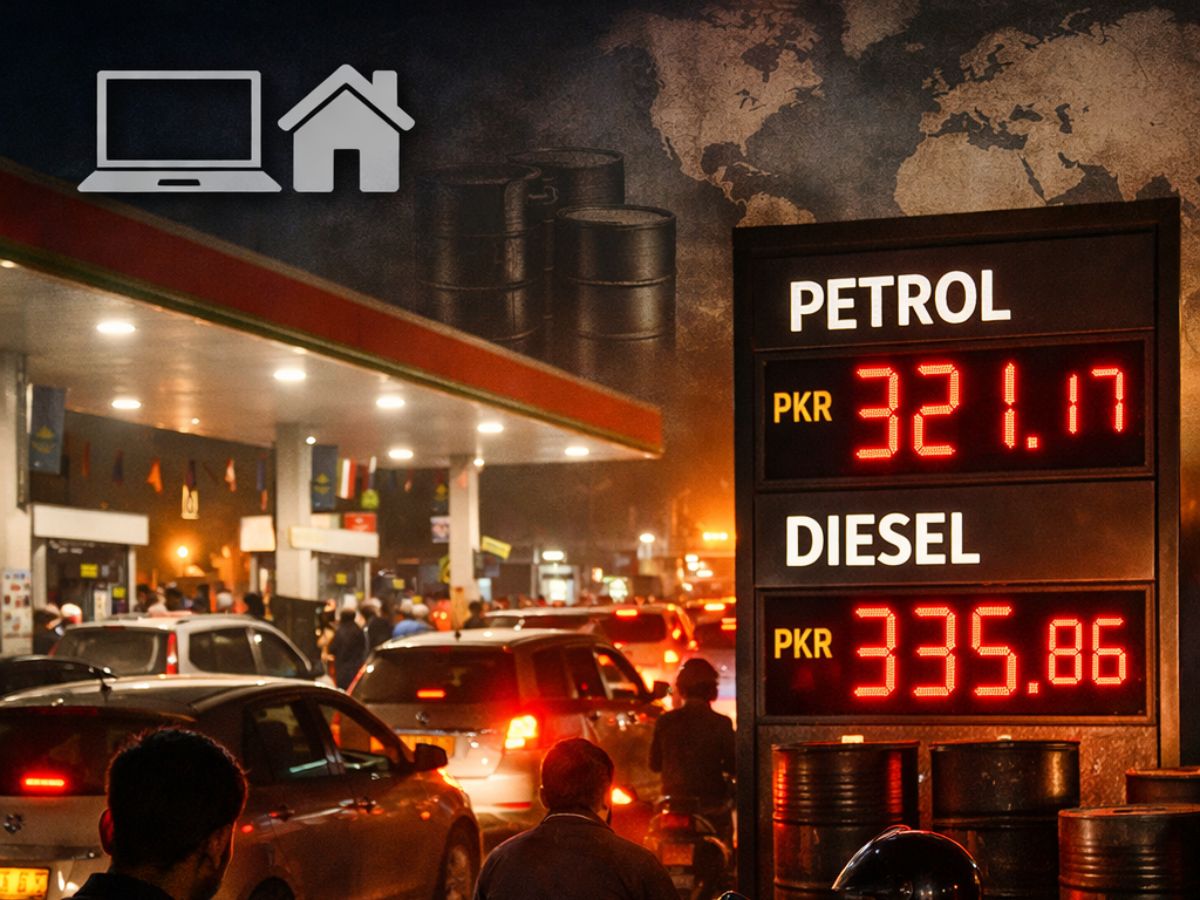
Pakistan has announced a significant increase of PKR 55 per litre for both petrol and high-speed diesel. This decision, effective March 7, 2026, raises petrol to PKR 321.17 and diesel to PKR 335.86 per litre, attributed to escalating global oil prices due to the Middle East conflict. The government plans to review prices weekly, warning against hoarding.
Key Highlights
- Pakistan raises petrol and diesel prices by PKR 55 per litre.
- New petrol price at PKR 321.17 and diesel at PKR 335.86 per litre.
- Price hike linked to escalating Middle East conflict and global oil prices.
- Government to review fuel prices on a weekly basis.
- Prime Minister ordered strict action against fuel hoarding.
Pakistan has implemented a substantial hike in fuel prices, increasing both petrol and high-speed diesel by PKR 55 per litre. This significant adjustment, which took effect on March 7, 2026, brings the price of petrol to PKR 321.17 per litre and diesel to PKR 335.86 per litre. The decision was announced by Petroleum Minister Ali Pervaiz Malik, alongside Deputy Prime Minister and Foreign Minister Ishaq Dar and Finance Minister Muhammad Aurangzeb. This steep rise is attributed to the increasing volatility in global oil markets, exacerbated by the escalating conflict in the Middle East. The conflict, involving US-Israel strikes on Iran and subsequent retaliation, has created widespread uncertainty in energy markets, leading to a surge in crude oil prices. Deputy Prime Minister Ishaq Dar stated that global petroleum rates had shot up significantly, forcing the government to pass on the impact to consumers, though they attempted to minimize the burden. According to the Minister, the average Platts price of petrol increased from $78 to around $107 per barrel within six days, while diesel surged from $88 to nearly $150 per barrel during the same period. The government's decision also comes amidst reports that the International Monetary Fund (IMF) had advised Pakistan to raise fuel prices immediately, a suggestion that surfaced during virtual discussions between Pakistani officials and an IMF delegation. To manage the economic impact and ensure supply stability, the government announced that fuel prices would be reviewed on a weekly basis, a shift from the previous fortnightly adjustments. Prime Minister Shehbaz Sharif, who approved the revised rates, also ordered strict action against hoarding and artificial shortages of petroleum products, warning of license revocations and legal proceedings against offending companies. He emphasized the need for policies focused on growth, austerity, and savings, with practical recommendations to be presented within 48 hours, prioritizing public relief while minimizing the burden on citizens. The government also adjusted the petroleum development levy (PDL) structure, increasing the levy on petrol by Rs20 to approximately Rs105 per litre, while reducing it on high-speed diesel from Rs77 to Rs57 per litre, aiming to ease the burden on sectors heavily reliant on diesel. Prices for kerosene oil and light diesel oil also saw increases, by Rs130 per litre to Rs319 and by Rs68 to Rs235 per litre, respectively. The highest petrol price recorded in Pakistan's history was around PKR 331.38 per litre on September 16, 2023, though prices have also fluctuated around PKR 230. Historical data indicates a significant upward trend in fuel prices over the past two decades, influenced by global oil rates, currency depreciation, taxes, and government policies. Before this hike, petrol prices were reported at PKR 266.17 per litre and diesel at PKR 280.86 per litre. Concerns about potential fuel shortages were reported prior to the official announcement, with long queues forming at petrol stations in major cities as consumers rushed to refuel. The government, however, assured the public that the country has sufficient petroleum reserves. This price increase is seen as a significant economic shock for Pakistan, which relies heavily on imported oil and is already grappling with high inflation and economic pressures. The news also highlights the interconnectedness of global events and their direct impact on national economies, particularly for import-dependent nations like Pakistan.
Frequently Asked Questions
What is the new price of petrol and diesel in Pakistan?
Following the hike, petrol is selling at PKR 321.17 per litre, and high-speed diesel is priced at PKR 335.86 per litre.
Why have fuel prices in Pakistan increased so sharply?
The increase is primarily due to a surge in global oil prices, driven by escalating tensions and conflict in the Middle East, which has disrupted energy markets.
How often will fuel prices be reviewed in Pakistan?
The Pakistani government has announced that fuel prices will be reviewed on a weekly basis, a change from the previous fortnightly adjustments.
What actions are being taken against fuel hoarding?
Prime Minister Shehbaz Sharif has ordered strict action against hoarding and artificial shortages, including license revocation and legal proceedings against offending companies.