Trump Demands Iran's 'Unconditional Surrender' Amidst Escalating Conflict
Amidst an ongoing US-Israel war with Iran following the death of its Supreme Leader, Donald Trump has unequivocally rejected any negotiated settlement, demanding Iran's "unconditional surrender". He also asserted the US must be involved in selecting Iran's next leader, dismissing Mojtaba Khamenei as "unacceptable".
Key Highlights
- Trump demands Iran's 'unconditional surrender' in escalating conflict.
- He rejects traditional negotiations, foresees no leadership left in Tehran.
- US President insists on personal involvement in choosing Iran's next leader.
- Mojtaba Khamenei deemed 'unacceptable' for supreme leadership by Trump.
- Warns next Iranian leader won't 'last long' without US approval.
- Statements come amidst ongoing US-Israel military strikes on Iran.
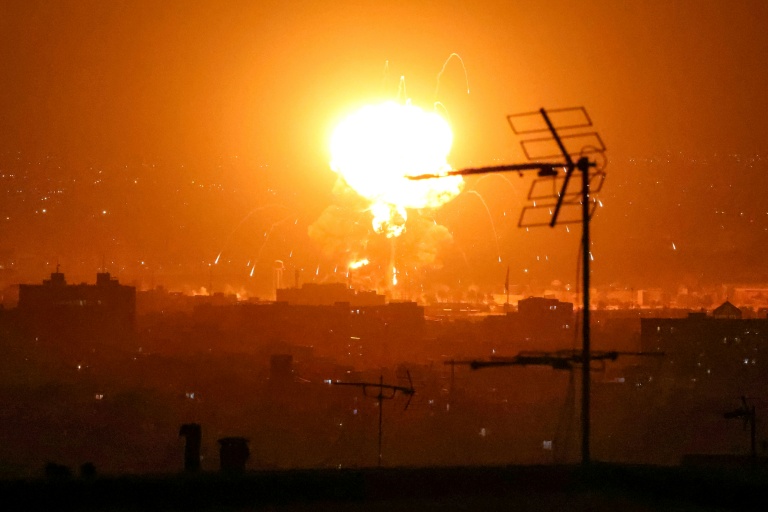
US President Donald Trump has made a series of stark pronouncements regarding the ongoing conflict with Iran, explicitly rejecting any negotiated settlement that does not involve Tehran's 'unconditional surrender'. These statements come in the wake of significant geopolitical upheaval, specifically the reported death of Iran's Supreme Leader Ayatollah Ali Khamenei on February 28, 2026, following joint US-Israeli attacks on Tehran and other Iranian cities. The conflict, which has escalated into a full-scale war, has seen the US and Israel launching extensive military strikes against Iran, prompting retaliatory actions from Tehran across the Middle East.
Speaking to reporters, Trump articulated a severe vision for the conflict's conclusion, suggesting that negotiations might become irrelevant if the Iranian military is destroyed and its leadership eliminated. He was quoted saying, 'At some point, I don't think there will be anybody left maybe to say 'We surrender''. This indicates a stance that goes beyond regime change to potentially an obliteration of the existing state's capacity for governance and resistance. White House press secretary Karoline Leavitt further clarified Trump's definition of 'unconditional surrender,' stating it would be achieved when Iran 'no longer poses a threat to the United States of America, and the goals of Operation Epic Fury has been fully realised, then Iran will essentially be in a place of unconditional surrender, whether they say it themselves or not'. This comprehensive demand for capitulation has complicated diplomatic efforts, even as Iranian President Masoud Pezeshkian acknowledged mediation attempts by unnamed countries, which Trump's statements effectively undermined.
Furthermore, Trump has emphatically asserted the United States' intention to play a direct role in shaping Iran's post-conflict leadership. He publicly stated his requirement for personal involvement in selecting Iran's next supreme leader, drawing parallels to his actions in Venezuela. A critical point of contention for Trump has been the potential succession of Mojtaba Khamenei, the son of the deceased Supreme Leader. Trump explicitly deemed Mojtaba Khamenei 'unacceptable' and a 'lightweight,' expressing a desire for a leader who could bring 'harmony and peace' to Iran. He also issued a clear warning that any new Iranian supreme leader would 'not last long' without US approval. This aggressive stance on leadership succession underscores a US objective to fundamentally alter Iran's political trajectory and ensure a government amenable to American interests.
The ongoing military campaign, which began on February 28, 2026, involved coordinated US-Israeli air strikes that resulted in the death of Ayatollah Ali Khamenei and other high-ranking Iranian officials. Reports indicate that these strikes significantly degraded Iran's military capabilities, with estimates suggesting that about 60% of its missile launchers and large stockpiles, along with roughly 80% of its air defense systems, have been destroyed, granting Israel aerial superiority. The widespread nature of the conflict has seen Iran targeting US facilities in neighboring countries and Israel launching further strikes, including on Beirut, escalating regional tensions and impacting global energy markets due to the effective closure of the Strait of Hormuz. Iranian President Pezeshkian later apologized to neighboring states for Iran's actions, attributing them to attacks on US facilities, but rejected Trump's demand for unconditional surrender as a 'dream'. He clarified that Iran's temporary leadership council had agreed to suspend attacks on nearby states unless strikes on Iran originated from their territory.
Trump's declarations signal a profound shift in US policy towards Iran, moving from calls for negotiations, which he initially entertained, to an insistence on total capitulation and a hand-picked leadership. This approach has been described as a major expansion of US war aims, with Washington now explicitly pursuing a comprehensive change in Iran's governance rather than merely addressing its nuclear program or naval forces. The implications of such a policy are far-reaching, not only for the stability of the Middle East but also for global geopolitics and energy security. The Indian audience would find this news highly relevant due to potential impacts on oil prices, regional stability, and the broader geopolitical landscape involving major powers.
Frequently Asked Questions
What is Donald Trump's current stance on settling the conflict with Iran?
Donald Trump has stated he is not interested in negotiating with Iran and demands 'unconditional surrender' as the only acceptable outcome to end hostilities.
What has Trump said about Iran's leadership succession?
Trump has insisted on being personally involved in selecting Iran's next leader, following the death of Ayatollah Ali Khamenei. He has explicitly rejected Khamenei's son, Mojtaba Khamenei, as an 'unacceptable' and 'lightweight' successor.
What are the implications of Trump's 'unconditional surrender' demand?
The demand for 'unconditional surrender' implies a desire for a complete capitulation of the Iranian regime and military, with Trump suggesting that the conflict might not end until there is no leadership left in Tehran to even surrender. This complicates diplomatic paths and escalates the aims of the war.
What is the current status of the US-Iran conflict mentioned in the news?
The news reports an ongoing US-Israel war with Iran, which commenced on February 28, 2026, following joint strikes that led to the death of Supreme Leader Ali Khamenei. Military operations have been extensive, with both sides engaging in strikes across the region.
How relevant is this news to an Indian audience?
This news is highly relevant to an Indian audience due to the potential for significant impacts on global oil prices, the stability of the Middle East region, and broader geopolitical shifts that could affect India's strategic interests and energy security.