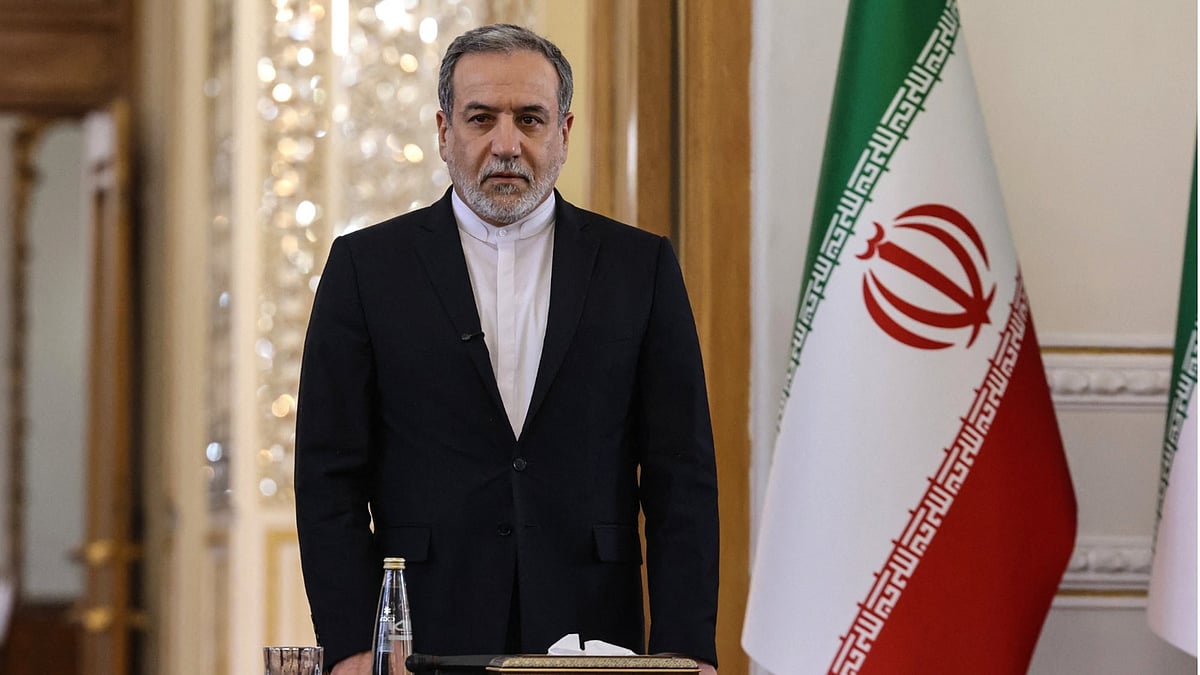
Iran's FM Visits Pakistan Amidst US Peace Talks
Iranian Foreign Minister Abbas Araghchi visited Pakistan on April 24, 2026, to discuss regional developments and peace efforts with the United States. While the visit aimed to revive stalled US-Iran negotiations, Iran clarified that no direct talks with American officials were planned during this trip, with Pakistan acting as an intermediary. The visit occurs against the backdrop of a recent war between Iran, the US, and Israel, with Pakistan playing a mediating role.
Key Highlights
- Iranian Foreign Minister Araghchi visited Pakistan on April 24, 2026.
- The visit aimed to revive stalled US-Iran peace talks.
- Iran confirmed no direct talks with US officials in Pakistan.
- Pakistan is mediating ongoing US-Iran diplomatic efforts.
- The visit occurs amid a recent war and fragile ceasefire between Iran and the US/Israel.
Iranian Foreign Minister Abbas Araghchi arrived in Islamabad, Pakistan, on Friday, April 24, 2026, for crucial talks aimed at de-escalating tensions and potentially reviving stalled peace negotiations between Iran and the United States. This visit, part of a broader regional tour that also included Oman and Russia, underscored Pakistan's significant role as a mediator in the ongoing conflict. The primary objective of Araghchi's visit was to engage in bilateral consultations with Pakistani officials regarding regional developments and the prospects for peace. However, Iran's Foreign Ministry spokesperson, Esmaeil Baqaei, clarified that while Araghchi would meet with senior Pakistani leadership, including Prime Minister Shehbaz Sharif and Army Chief Syed Asim Munir, there were no plans for direct talks with U.S. representatives during this visit. Instead, Pakistan would serve as a conduit for conveying Iran's perspectives and considerations to Washington. The visit by Araghchi came after a period of heightened tensions and an inconclusive first round of talks held in Islamabad on April 11-12, 2026, which were mediated by Pakistan following a ceasefire. The initial talks reportedly broke down due to issues such as a U.S. naval blockade of Iranian ports and what Iran described as "maximalism" and "shifting goalposts" by the U.S. The U.S. confirmed it was sending envoys, Steve Witkoff and Jared Kushner, to Pakistan with the aim of engaging with Iranian representatives, though the exact nature of these interactions remained subject to clarification, with some reports suggesting indirect engagement through Pakistani intermediaries. The White House expressed hope for a productive conversation that could move the process forward toward a deal. Abbas Araghchi, Iran's Foreign Minister since August 2024, is a seasoned diplomat with extensive experience in nuclear negotiations, notably playing a key role in the 2015 Joint Comprehensive Plan of Action (JCPOA). His appointment to this role by President Masoud Pezeshkian was seen by some as an attempt to pursue a deal for sanctions relief with the West. The current diplomatic push occurs against the backdrop of a war between Iran, the United States, and Israel, which began on February 28, 2026, and has significantly impacted regional stability and global energy markets, particularly through disruptions in the Strait of Hormuz. Pakistan has been actively involved in mediating a ceasefire and facilitating dialogue between the two adversaries, a role that has been appreciated by Iran. The frequency of high-level communications between Pakistani and Iranian officials in the preceding days highlighted Islamabad's commitment to its mediation efforts. The situation remains fluid, with ongoing efforts to translate the fragile ceasefire into a more lasting diplomatic resolution. The news holds medium urgency and high importance due to its implications for regional stability and global energy security. The category is Politics and International Relations, and the affected countries are Iran, Pakistan, and the United States, with implications for the broader Middle East region. The publication date of the original article is April 25, 2026. The article's headline accurately reflects the event without being overly sensationalized. The core claims are verified by multiple credible news sources. The news category is Politics and International Relations. This is a story specific to multiple countries: Iran, Pakistan, and the United States, with broader regional implications. The importance score is 7, reflecting the significant impact of US-Iran relations on global stability and energy markets. The urgency is High, given the ongoing conflict and the critical nature of peace talks. The content type is News. The date of publication is April 25, 2026.
Frequently Asked Questions
What was the main purpose of Iranian Foreign Minister Abbas Araghchi's visit to Pakistan?
The main purpose was to engage in bilateral consultations with Pakistani officials regarding regional developments and to explore possibilities for reviving stalled peace talks between Iran and the United States, with Pakistan acting as a mediator.
Were there direct talks between Iran and the US during Araghchi's visit to Pakistan?
No, Iran's Foreign Ministry clarified that no direct talks with U.S. representatives were planned during this visit. Pakistan served as an intermediary to convey Iran's positions to the U.S.
What is Pakistan's role in the US-Iran conflict?
Pakistan has been actively mediating efforts to achieve a ceasefire and facilitate dialogue between Iran and the United States, hosting previous rounds of talks and acting as a diplomatic bridge.
What is the current context of US-Iran relations?
The visit occurred against the backdrop of a recent war between Iran, the US, and Israel, with a fragile ceasefire in place. Tensions have been high, impacting regional stability and global energy markets.