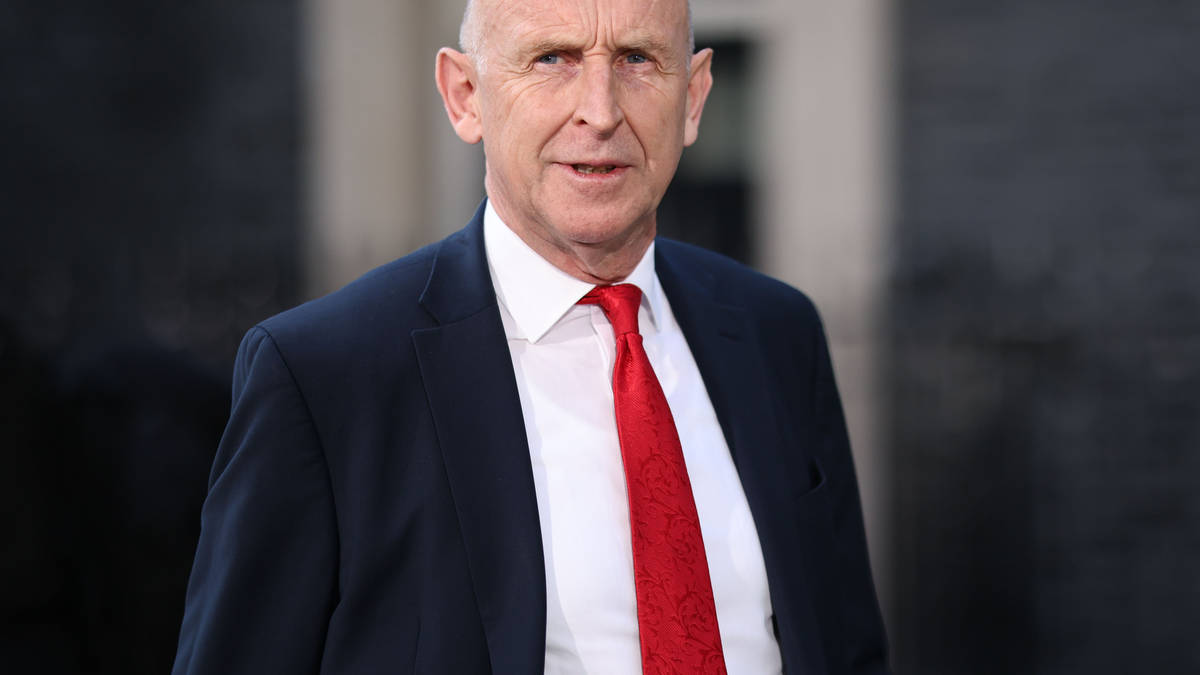
UK Defence Secretary John Healey Resigns Over Insufficient Military Spending
U.K. Defence Secretary John Healey resigned on June 11, 2026, citing significant disagreements with Prime Minister Keir Starmer's government over its defense spending plans. Healey argued that the proposed Defence Investment Plan (DIP) falls "well short" of what is needed to address rising global security threats and maintain national safety, leading to potential reductions in military readiness.
Key Highlights
- Healey resigned citing inadequate government defense spending.
- He claimed the Defence Investment Plan does not meet current security needs.
- The resignation signals a major rift over military resource allocation.
- Healey warned of reduced military readiness and increased national risk.
- The dispute highlights ongoing debates about UK defense budget priorities.
U.K. Defence Secretary John Healey resigned on June 11, 2026, due to fundamental disagreements with Prime Minister Keir Starmer's government concerning the allocation of resources for national defense. In his resignation letter, Healey articulated that the proposed Defence Investment Plan (DIP) was insufficient to address the escalating global security challenges and safeguard the nation's interests. He stated that the financial settlement for the DIP "falls well short of what is required for defence and the country at this dangerous time". Healey further elaborated that the government had been "unable, and the Treasury has been unwilling, to commit the resources that the nation needs to defend the country at this time of rising threats".
Healey's decision to step down was driven by the belief that the approved budget would necessitate decisions leading to a reduction in the readiness of the armed forces and an increase in the risk to personnel on operations, potentially making the country less safe. He had previously explained to Prime Minister Starmer that he would not be able to accept a DIP settlement that did not provide the necessary resources for the forces. The Defence Investment Plan, originally slated for publication in autumn 2025, had been subject to significant delays due to internal government negotiations over its financial scope. The plan's objectives included modernizing military programs, procuring new technologies, and meeting NATO obligations, aiming to transform the British Armed Forces into a "war-ready force". However, consensus on its financial aspects proved elusive, with reports suggesting the Ministry of Defence requested an additional £18 billion, while the Treasury favored a lower figure. According to some reports, the latest version of the DIP presented to Healey would see defense spending rise to only 2.68% of GDP by 2030, up from an expected 2.6% the following year. This contrasted with NATO's agreed target of 3.5% of GDP on defense by 2035, and Starmer's earlier suggestion of raising spending to 3% within a couple of years.
Healey's resignation, a surprise move, was seen as a significant blow to Prime Minister Keir Starmer, particularly concerning his leadership and security credentials. The dispute over defense spending had been ongoing for months, with the Treasury and the Ministry of Defence locked in talks over meeting rising demands. Armed Forces Minister Al Carns also resigned shortly after Healey, stating that "we owe those who serve the U.K. the kit to do the job and the loyalty to stand by them when it's done. We are failing on both". These resignations occurred amidst a backdrop of increasing international security threats, including heightened Russian activity towards the UK and NATO nations, increased attacks in Ukraine, and the UK's leading role in the multinational Strait of Hormuz military mission.
Starmer, in defense of his government's approach, argued that defense spending is increasing and that decisions must be balanced with the country's overall finances. He had previously announced an additional £15 billion in defense spending, bringing the total to nearly £300 billion over four years, representing a 27% real-terms increase and raising spending from 2.3% of GDP in 2024 to 2.7%. The government's broader plan aimed to reach 3.5% of GDP by 2035. However, Healey contended that the pace of increase was too slow and that the plan lacked sufficient immediate funding to address pressing threats.
This event has national and international implications, particularly for NATO and its member states, as well as for the UK's own defense posture and its relationship with allies like the United States, especially in light of potential shifts in US foreign policy under a Trump administration. The situation also reflects internal political challenges for Keir Starmer, potentially impacting his leadership and the Labour party's standing, especially with upcoming elections and potential leadership contests. The article's source, The Hindu, is a reputable Indian newspaper, and the reporting aligns with information from international outlets like the BBC, Reuters, Al Jazeera, CNN, CBS News, TIME, The Guardian, and Euractiv, all of which corroborate the core details of Healey's resignation due to defense spending disputes. The news is primarily specific to the United Kingdom but has implications for international defense alliances and global security discussions. The publication date of this news is June 11, 2026.
Frequently Asked Questions
Why did John Healey resign as UK Defence Secretary?
John Healey resigned on June 11, 2026, due to a disagreement with Prime Minister Keir Starmer's government over defense spending. He stated that the proposed Defence Investment Plan did not allocate sufficient resources to meet the UK's growing security needs.
What is the Defence Investment Plan (DIP)?
The Defence Investment Plan (DIP) is a UK government strategy outlining military modernization, arms procurement, and defense industry investments over the next decade. Its publication was delayed due to internal budget negotiations.
What were the main points of contention regarding defense spending?
Healey argued that the allocated funds were insufficient to maintain military readiness and address rising global threats, leading to potential risks for national security. The government, while increasing spending, aimed for a more balanced approach with the country's finances.
What are the implications of Healey's resignation?
Healey's resignation is seen as a significant blow to Prime Minister Keir Starmer's leadership and security credentials, potentially impacting the Labour party's standing and creating political instability. It also raises questions about the UK's commitment to NATO and its defense capabilities in a volatile global landscape.