Karachi Terror Attack: 4 Pakistani Soldiers Killed in 90-Minute Gun Battle
A terror attack on the Sindh Rangers headquarters in Karachi resulted in a 90-minute gun battle, killing four Pakistani soldiers and six militants. Jamaat-ul-Ahrar claimed responsibility. India rejected Pakistan's claims of its involvement, urging introspection on terror infrastructure.
Key Highlights
- Karachi's Sindh Rangers headquarters attacked by militants.
- Four Pakistani soldiers and six terrorists killed in intense gunfight.
- Explosives-laden vehicle used to breach compound perimeter.
- Jamaat-ul-Ahrar, TTP splinter group, claimed responsibility.
- India rejected Pakistan's 'baseless' allegations of involvement.
- Attack highlights persistent security challenges in Pakistan.
A major terrorist attack struck Pakistan's commercial hub, Karachi, on Saturday evening when heavily armed militants targeted the headquarters of the Sindh Rangers, a paramilitary force. The assault triggered an intense gun battle that lasted approximately 90 minutes, ultimately leading to the deaths of four Pakistani paramilitary personnel and six of the attackers.
The incident, widely reported across various news outlets, began around 8:30 PM local time on Saturday. According to initial investigations, the terrorists initiated the attack by ramming an explosives-laden vehicle into the main gate of the Sindh Rangers' Bhittai Wing headquarters, located in the densely populated Gulistan-e-Jauhar area. This powerful blast created an opening, allowing the assailants to breach the compound's perimeter. Once inside, the terrorists began firing indiscriminately and hurling hand grenades, triggering further explosions and chaos.
Security forces, including Sindh Rangers personnel, swiftly responded to the incursion, engaging the militants in a protracted firefight. Special Security Unit (SSU) commandos and the Anti-Terrorist Force (ATF) were also deployed to bolster the Rangers' efforts. The fierce exchange of fire continued for about 90 minutes, with some nearby neighborhoods experiencing power outages during the operation.
During the intense operation, four members of the Pakistani security forces were martyred while defending the installation. Additionally, six terrorists were killed, and one injured attacker was captured alive. The captured militant was reportedly identified as an Afghan national, adding another layer to the investigation. Sindh Inspector General of Police Javed Alam Odho confirmed the details of the attack and the casualties, noting that authorities immediately sealed off the compound and surrounding roads, instructing residents to remain indoors. Bomb disposal teams were later deployed to search for additional explosives within the facility.
Responsibility for the attack was claimed by Jamaat-ul-Ahrar (JuA), a brutal extremist splinter group of the Tehreek-e-Taliban Pakistan (TTP). This group has historically operated primarily in Pakistan's northwestern Khyber Pakhtunkhwa province, which borders Afghanistan, carrying out attacks on civilians, security personnel, and government officials. The assault on the Sindh Rangers headquarters marked Karachi's first major terrorist attack since October 2024, when two Chinese nationals were killed near the Karachi airport in an attack claimed by the Balochistan Liberation Army (BLA). The last major TTP attack in Karachi specifically was in February 2023, targeting the Karachi Police Office and resulting in multiple casualties.
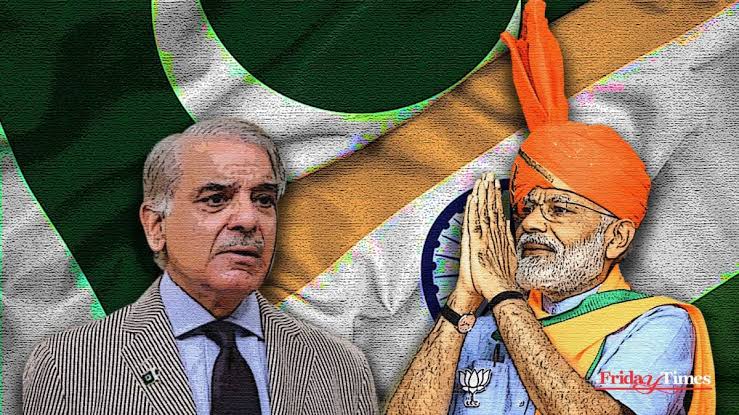
The attack and its aftermath also had immediate international implications, particularly concerning India. Pakistan's Inter-Services Public Relations (ISPR) initially suggested the terrorists belonged to an "Indian proxy, Jamaatul Ahrar". However, India categorically rejected these accusations, calling them "baseless allegations". In response, India's Ministry of External Affairs spokesperson, Randhir Jaiswal, urged Islamabad to "look inwards, take credible action against the terror infrastructure on its territory and rid itself of its proclivity to rely on terrorism as an instrument of state policy". This strong rebuttal highlights the ongoing tensions and mistrust between the two nuclear-armed neighbors regarding cross-border terrorism. The attack underscores persistent security concerns in Pakistan, which has witnessed a surge in extremist attacks targeting police and security forces in recent years, largely blamed on the Pakistani Taliban and its allied groups. The day after the Karachi attack, Pakistan reportedly carried out ground operations and "calibrated strikes" against militant hideouts in Afghanistan, claiming to have killed 29 militants, primarily targeting Jamaat-ul-Ahrar. However, the Afghan Taliban government claimed civilian casualties from these strikes, calling them a "cowardly act of aggression".
Frequently Asked Questions
What happened in the Karachi terror attack?
Heavily armed militants launched an attack on the Sindh Rangers headquarters in Karachi, Pakistan. The assault involved an explosives-laden vehicle ramming into the building, followed by intense indiscriminate firing and grenade attacks. A 90-minute gun battle ensued with security forces.
Who was responsible for the Karachi attack?
The terror attack was claimed by Jamaat-ul-Ahrar (JuA), a splinter group of the banned Tehreek-e-Taliban Pakistan (TTP).
What were the casualties in the Karachi terror attack?
Four Pakistani paramilitary soldiers were killed during the attack. Additionally, six terrorists were neutralized, and one injured attacker was apprehended by security forces.
How did India react to the Karachi terror attack?
India categorically rejected Pakistan's 'baseless allegations' of its involvement in the Karachi terror attack. India urged Pakistan to instead focus on dismantling terror infrastructure operating from its own soil.
What is the significance of this attack for Pakistan?
This attack marks a significant security challenge for Pakistan, being the first major terrorist strike in Karachi since October 2024. It highlights the persistent threat from militant groups like the TTP and its factions, and has led to retaliatory actions by Pakistan in Afghanistan.