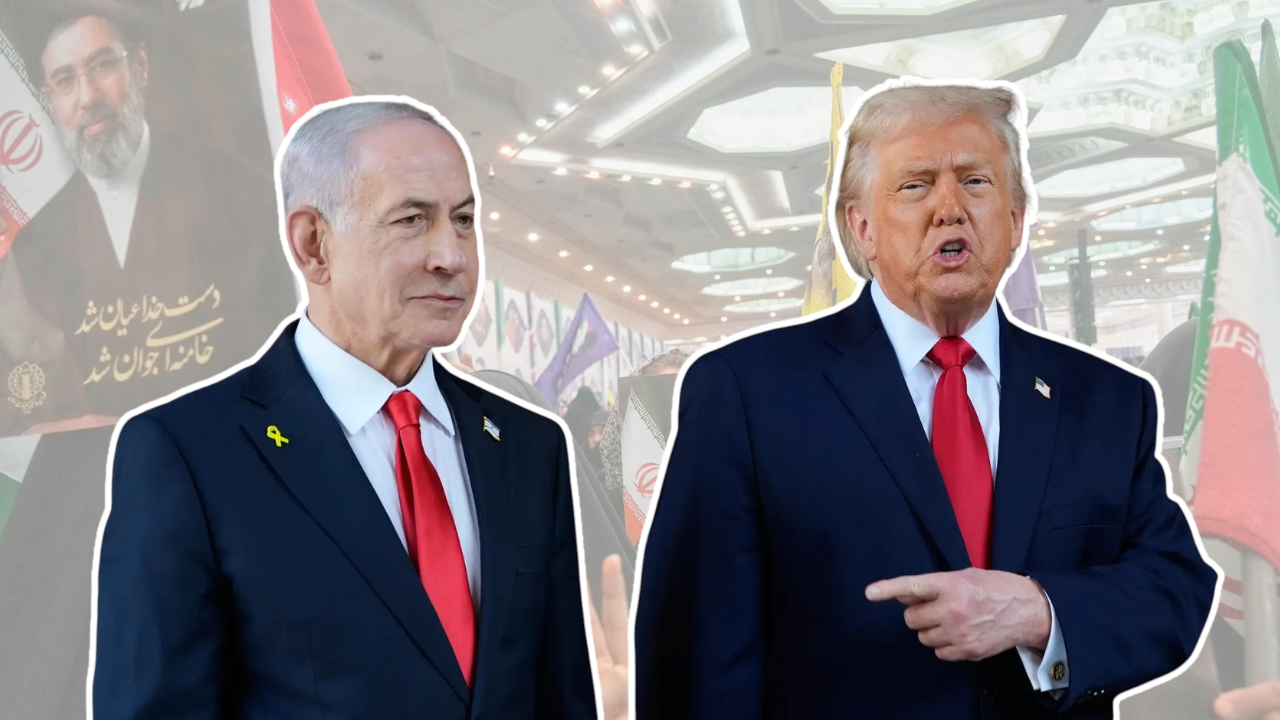
US-Iran Deal Hopes Rise, But Signing Timeline Remains Unclear Amid Conflicting Reports
President Trump announced a US-Iran deal was set to be signed on Sunday, June 14, 2026, which would reopen the Strait of Hormuz. However, Iran's foreign ministry disputed the timeline, stating the signing would not be on Sunday but could occur in the coming days. The article highlights conflicting claims regarding the deal's specifics and timing.
Key Highlights
- US President Trump claims a deal with Iran will be signed Sunday.
- Iran disputes the immediate signing date, suggesting future possibility.
- Strait of Hormuz reopening is a key element of the proposed deal.
- Conflicting reports about the deal's terms and timeline persist.
- Protests in Iran against the potential peace deal have occurred.
- Iran denies US claims of drone attacks on Indian vessels.
The news article from The Hindu, dated June 14, 2026, reports on the fluctuating hopes and uncertainties surrounding a potential peace deal between the United States and Iran, with a particular focus on the reopening of the strategically vital Strait of Hormuz. US President Donald Trump, via a social media post, declared that a deal was scheduled to be signed on Sunday, June 14, 2026, and that the Strait of Hormuz would be "open to all" immediately thereafter. This announcement, however, was met with a more cautious and contradictory statement from Iran's Foreign Ministry. Spokesman Esmaeil Baqaei indicated that while the possibility of a deal in the coming days could not be ruled out, the signing would "not be tomorrow".
The article highlights the discrepancies in the information being released by the warring parties and their mediators, with each side seemingly attempting to project an image of having secured the upper hand in the negotiations. This conflicting narrative underscores the delicate nature of the diplomatic process. Further complicating the situation, dozens of protestors gathered outside a Foreign Ministry office in Mashhad, Iran, chanting slogans against top diplomat Abbas Araghchi. These hardline figures reportedly believe the deal does not serve Iran's interests and would diminish its leverage over the Strait of Hormuz, accusing negotiators of making excessive concessions.
Adding to the complex geopolitical landscape, there are reports of Israeli strikes in southern Lebanon on Saturday, June 13, 2026, with the Israeli Army issuing evacuation warnings. Meanwhile, the article also touches upon earlier US claims of shooting down Iranian drones, which Iran has vehemently denied. Specifically, Iran's embassy in New Delhi dismissed as "simply baseless" President Trump's claims that Iran carried out a drone attack on Indian ships in the Strait of Hormuz. Iran suggested these accusations were an attempt to divert attention from alleged US military strikes on merchant vessels that had resulted in the deaths of Indian seafarers.
The potential deal, if finalized, would represent a significant diplomatic breakthrough, aiming to end a conflict that has disrupted global markets and significantly impacted oil prices due to the closure of the Strait of Hormuz. The Strait of Hormuz is a critical chokepoint for global energy supplies, and its reopening is a key demand for many nations. The proposed agreement, described as a Memorandum of Understanding (MOU), would reportedly extend a fragile ceasefire, reopen the Strait, and include provisions for future negotiations on Iran's nuclear program, sanctions relief, and other contentious issues.
Credible news outlets like Reuters and The Associated Press are generally considered reliable and unbiased sources for international news. Al Jazeera, while often providing a valuable non-US perspective, has been rated as Lean Left by some bias trackers and has mixed factual reporting scores. NDTV is generally seen as a credible Indian news source, though its bias is rated as Medium Left by some analyses. The Telegraph (India) is also considered mostly factual but leans Left-Center. The Hindu, the original source of this article, is a highly reputable Indian newspaper known for its in-depth reporting.
The timeline of events surrounding the potential deal suggests a rapid succession of announcements and denials. Trump's statements on Saturday, June 13, 2026, indicated an imminent signing, but Iran's responses on the same day cast doubt on this immediacy. This pattern of conflicting statements has been a recurring theme throughout the negotiations, as highlighted in related articles from NDTV, Al Jazeera, and Reuters. The underlying issues remain complex, involving Iran's nuclear program, sanctions, regional security, and freedom of navigation through the Strait of Hormuz. The situation is highly fluid, with the actual signing and the precise terms of any agreement still subject to change and confirmation.
Frequently Asked Questions
What did President Trump claim about the US-Iran deal?
President Trump claimed that a deal to end the war in West Asia was scheduled to be signed on Sunday, June 14, 2026, and that the Strait of Hormuz would be immediately reopened to all shipping.
Did Iran confirm the signing date for the US-Iran deal?
No, Iran's Foreign Ministry spokesman stated that the deal would not be signed on Sunday, June 14, 2026, although he did not rule out the possibility of it happening in the coming days.
What is the significance of the Strait of Hormuz?
The Strait of Hormuz is a strategically vital waterway that serves as a chokepoint for global oil and gas supplies. Its closure or disruption has a significant impact on international markets and global energy prices.
What were Iran's claims regarding drone attacks on Indian ships?
Iran's embassy dismissed US President Trump's claims of Iran attacking Indian ships as "simply baseless" and suggested it was an attempt to divert attention from alleged US strikes on merchant vessels.