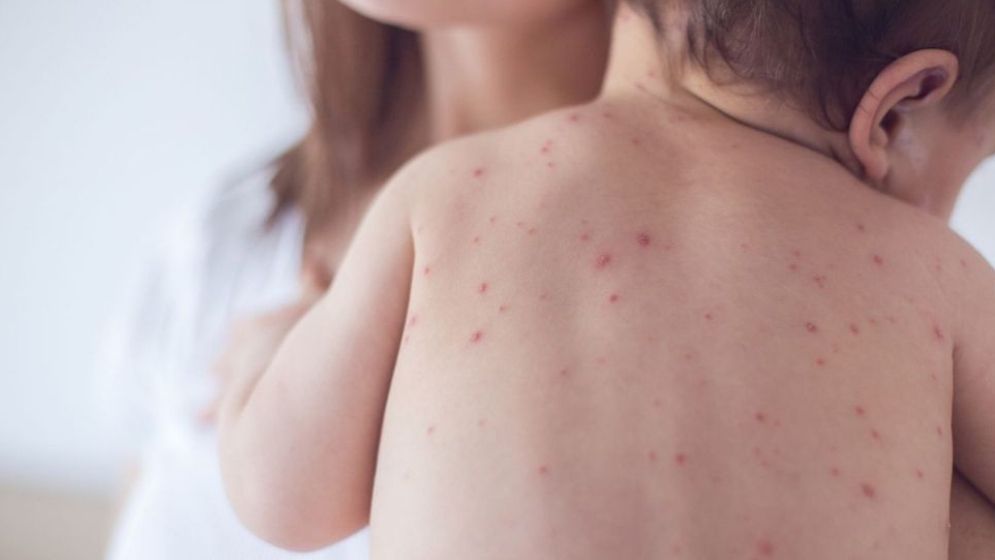
Bangladesh Measles Crisis: Cases Surge, Hundreds Dead Amidst Vaccination Gaps
Bangladesh is battling a severe measles outbreak with tens of thousands of cases and hundreds of deaths, disproportionately affecting young children. Declining vaccination rates and disrupted immunization campaigns are key drivers, prompting emergency vaccination drives amidst overwhelmed healthcare systems.
Key Highlights
- Measles outbreak in Bangladesh has seen tens of thousands of cases.
- Hundreds of deaths reported, primarily among young children.
- Declining vaccination rates and disrupted immunization fuel the crisis.
- Emergency vaccination campaigns are underway across the country.
- Healthcare system is strained by the escalating number of cases.
Bangladesh is currently facing a severe and escalating measles outbreak, with a significant rise in both cases and fatalities. As of mid-June 2026, the country has reported a staggering number of suspected and confirmed measles cases, alongside a concerning death toll. The World Health Organization (WHO) has declared the risk at the national level as high due to widespread transmission across most of its districts, a large population of susceptible children, and documented immunity gaps [2, 3].
The outbreak, which began to surge in early 2026, has seen tens of thousands of suspected cases reported. As of June 9, 2026, Bangladesh had recorded over 81,000 suspected measles cases and nearly 10,000 confirmed cases, with a cumulative death toll exceeding 600, comprising both confirmed and suspected deaths [4, 6, 17]. Specific figures as of June 13, 2026, indicate 84,899 suspected cases and 10,248 confirmed cases, with a total of 648 deaths (92 confirmed, 556 suspected) [17]. Earlier reports from April 2026 by the WHO documented over 19,000 suspected cases and nearly 3,000 confirmed cases, with 166 measles-related deaths between March 15 and April 14, 2026 [2]. The Infectious Disease Hospital in Dhaka's Mohakhali area alone recorded 21 deaths at one point, highlighting the severity in densely populated urban centers [19].
The majority of those affected by this outbreak are young children, particularly those under five years old, and a significant proportion are infants under nine months, who are often below the standard vaccination age [2, 5, 21]. This vulnerability of the youngest demographic underscores the critical need for timely vaccination and preventive measures. In response to the crisis, Bangladesh's government, with support from UNICEF and WHO, has launched emergency measles-rubella (MR) vaccination campaigns. These campaigns aim to reach millions of children, including those aged 6-59 months, and began in April 2026, with a nationwide push commencing later that month [2, 3, 6].
Several factors have contributed to this alarming resurgence of measles in Bangladesh, a country that had previously made significant strides in controlling the disease. A primary driver has been the decline in routine vaccination coverage. Reports indicate a drop in the first dose (MR1) coverage from 88.6% in 2019 to 86% in 2023, and a more concerning decrease in the second dose (MR2) coverage from 89% in 2019 to 80.7% in 2023 [16]. The COVID-19 pandemic significantly disrupted routine immunizations starting in 2020 [18, 19]. Furthermore, a nationwide vaccine shortage occurred in 2024 due to a government restructuring [18], and there has been an absence of regular, nationwide supplementary immunization activities (SIAs) since 2020 [4, 19]. These combined factors have created substantial immunity gaps, leaving a large number of children susceptible to infection [2, 18].
Measles is a highly contagious viral disease that spreads easily through respiratory droplets [7, 8, 10, 22]. Symptoms typically begin with a high fever, cough, runny nose, and red, watery eyes. Within a few days, Koplik spots may appear inside the mouth, followed by a characteristic rash that starts on the face and spreads downwards [7, 9, 12]. While most individuals recover within one to two weeks, measles can lead to severe complications, including ear infections, diarrhea, pneumonia, encephalitis (brain swelling), blindness, and, in severe cases, death [7, 9, 10, 12, 22]. Children under five, pregnant women, and individuals with weakened immune systems are at a higher risk of severe illness and complications [7, 8].
The public health response in Bangladesh has involved strengthening surveillance, activating rapid response teams, and ensuring the availability of Vitamin A supplementation for measles patients [2]. The government has also fast-tracked vaccine procurement and issued national and divisional guidelines to manage the outbreak [2]. However, the scale of the outbreak has overwhelmed healthcare facilities, with many hospitals reporting being stretched thin [3, 4].
The situation in Bangladesh has implications beyond its borders. Neighboring countries, including India, face a potential risk due to the porous borders and the highly contagious nature of measles [3, 18]. India itself has been working towards measles elimination and has seen a rise in cases in recent years, with significant outbreaks reported in cities like Mumbai [26, 29, 30]. The Indian government's national strategic plan aims for high vaccination coverage and a sensitive surveillance system to achieve measles and rubella elimination [26]. India has also provided assistance, such as sending measles vaccines and medical supplies to the Maldives, demonstrating its role in regional health security [31]. The WHO has flagged the Southeast Asia region as being at high risk [18].
The prolonged absence of supplementary immunization campaigns since 2020, coupled with disruptions in routine vaccination, has created a vulnerability that the current outbreak has exploited [4, 18, 19]. The success of ongoing vaccination campaigns will be crucial in curbing the epidemic and preventing future surges. The long-term goal remains to close immunity gaps and restore robust vaccination coverage, as emphasized by the WHO's recommendations for supplementary immunization activities to rapidly improve population immunity [2, 20].
Frequently Asked Questions
What is causing the current measles outbreak in Bangladesh?
The current measles outbreak in Bangladesh is primarily caused by a decline in routine vaccination coverage, disruptions to immunization services due to the COVID-19 pandemic, a nationwide vaccine shortage in 2024, and the absence of supplementary immunization campaigns since 2020. These factors have created significant immunity gaps, leaving many children vulnerable. [2, 4, 16, 18, 19]
Who is most at risk during this measles outbreak?
Young children, particularly those under five years of age and infants under nine months, are most at risk. They are more vulnerable to severe illness, complications, and death from measles. [2, 5, 7, 8, 10, 21, 24]
What are the symptoms of measles and how is it spread?
Measles symptoms typically begin with a high fever, cough, runny nose, and red, watery eyes. This is often followed by Koplik spots inside the mouth and a rash that starts on the face and spreads downwards. Measles is highly contagious and spreads through respiratory droplets when an infected person coughs or sneezes. [7, 8, 10, 22]
What measures are being taken to control the measles outbreak in Bangladesh?
Bangladesh is implementing emergency measles-rubella (MR) vaccination campaigns, strengthening disease surveillance, activating rapid response teams, and ensuring the availability of medical supplies and Vitamin A supplementation. The government is also working on vaccine procurement and implementing public health guidelines. [2, 6]
What are the potential implications of the Bangladesh measles outbreak for India?
Due to the close proximity and porous borders, the measles outbreak in Bangladesh poses a risk to India. India itself has been experiencing a rise in measles cases and is focused on maintaining high vaccination coverage and robust surveillance to prevent and control outbreaks. [3, 18, 26, 29]