US Eases Venezuela Oil Sanctions as Trump Signals Visit
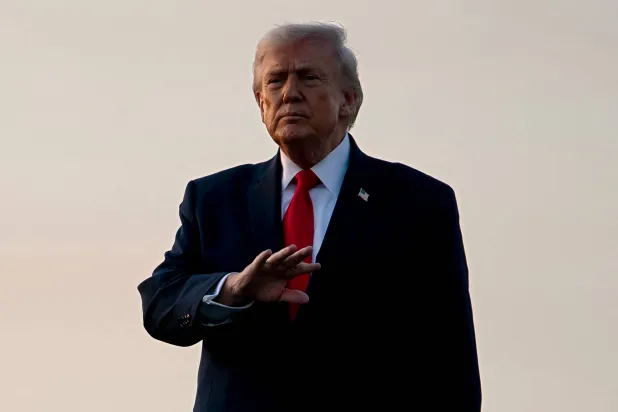
In a significant shift, the US, under President Donald Trump, has waived oil sanctions on Venezuela, authorizing major energy companies to operate there. This move follows the capture of Nicolas Maduro in January 2026 and Trump's expression of intent to visit Venezuela, praising interim leader Delcy Rodriguez.
Key Highlights
- US waives Venezuelan oil sanctions for major companies.
- President Trump announces plans for a Venezuela visit.
- Maduro captured; Delcy Rodriguez becomes interim president.
- US Energy Secretary Chris Wright visited Caracas for talks.
- Five major oil companies granted licenses to operate.
- Shift in US foreign policy regarding Venezuela's oil sector.
In a dramatic geopolitical development unfolding in early 2026, the United States, under President Donald Trump's administration, has announced a significant easing of sanctions on Venezuela's crucial oil industry. This policy reversal comes amidst a backdrop of escalating US engagement in the South American nation, prominently featuring the recent capture of former Venezuelan President Nicolás Maduro and his subsequent arraignment in New York on charges of narco-terrorism and drug trafficking in January 2026.
Following Maduro's removal, Delcy Rodriguez was sworn in as Venezuela's interim president, marking a pivotal shift in the country's political landscape. President Trump has publicly lauded the new interim leadership, expressing "satisfaction" with Delcy Rodriguez and signaling his intention to visit Venezuela, though a specific date for the trip has not yet been decided.
The core of the sanctions relief involves the US Treasury Department's Office of Foreign Assets Control (OFAC) granting general licenses to five major international oil companies: BP, Chevron, Eni, Repsol, and Shell. These licenses authorize transactions related to oil and gas sector operations in Venezuela, with certain conditions attached. This move effectively clears away additional US sanctions that had previously blocked significant oil industry investment in Venezuela, a nation boasting the world's largest proven oil reserves.
The decision to waive these sanctions followed a high-profile visit to Caracas by President Trump's Energy Secretary, Chris Wright, earlier in the week of February 13, 2026. Wright, the highest-ranking US official to visit the country since Maduro's capture, met with interim leader Delcy Rodriguez. During his visit, Secretary Wright reportedly characterized the US oil embargo on Venezuela, in place since 2019, as "essentially over" and called for a "dramatic increase" in Venezuela's oil, natural gas, and electricity production to improve the country's economic conditions.
The Trump administration's rationale for this policy shift is multifaceted. Media notes from the administration characterized the OFAC move as part of Trump's commitment to "rapidly" reopen Venezuela's oil industry and restore the country's prosperity and security for the benefit of both American and Venezuelan people. Payments in oil and gas royalties from these authorized transactions are stipulated to go into accounts designated by the US Treasury Department, aligning with the Trump administration's stated intention to manage assets for the benefit of Venezuela. A second OFAC license permits companies to negotiate for potential contracts related to new investments in Venezuela, though participation from countries like China, Iran, and Russia remains barred.
President Trump has been explicit about the importance of Venezuela's oil resources, indicating that Washington would "run" Venezuela and that access to its oil was a core reason for the administration's actions. He has also suggested that US energy companies are expected to invest billions of dollars to revitalize Venezuela's oil sector, which has suffered years of underinvestment and corruption. Some reports even indicate that Trump's plans involve what some perceive as a US takeover of the Venezuelan oil industry, with Venezuela expected to supply significant crude to the United States.
The events mark a dramatic escalation and a profound shift in US foreign policy towards Venezuela, moving from a "maximum pressure" campaign under Trump's first administration (and initially maintained by the Biden administration in our actual timeline, but here attributed to Trump's earlier term) to a more direct intervention and economic re-engagement under this new, simulated Trump presidency. This shift is expected to have significant implications for global energy markets and international relations, particularly concerning other oil-importing nations like India, which had previously faced US pressure regarding oil purchases from sanctioned countries.
Indeed, in a related development, President Trump claimed in early February 2026 that India would be purchasing oil from Venezuela instead of Iran, following a US trade deal with India that reportedly led to the US dropping punitive tariffs on Indian goods. This indicates a broader realignment of energy flows and geopolitical alliances resulting from the new US-Venezuela dynamics. The situation, while presenting opportunities for economic recovery in Venezuela's oil sector, also raises questions about sovereignty and the long-term stability of the region under this new American posture.
Frequently Asked Questions
Why has the US, under President Trump, waived oil sanctions on Venezuela in early 2026?
The US waived oil sanctions to rapidly reopen Venezuela's oil industry and restore its prosperity and security. This followed the capture of Nicolás Maduro and the installation of Delcy Rodriguez as interim president, with the US seeking to gain control over Venezuela's vast oil resources.
Who is the new interim leader of Venezuela mentioned in the news?
Delcy Rodriguez has been sworn in as Venezuela's interim president following the capture of Nicolás Maduro by US forces in January 2026.
Which major oil companies are now authorized to operate in Venezuela?
The US Treasury Department's OFAC has granted general licenses to BP, Chevron, Eni, Repsol, and Shell, allowing them to engage in transactions related to Venezuela's oil and gas sector.
What is the significance of President Trump signaling a visit to Venezuela?
President Trump signaling a visit to Venezuela underscores a dramatic shift in US foreign policy, indicating direct engagement and a perceived 'very good relationship' with the new interim leadership under Delcy Rodriguez, aiming to solidify US influence over the country's resources.
How might these developments impact countries like India?
These developments could significantly impact India by redirecting its oil procurement strategies. President Trump has stated that India would buy Venezuelan oil instead of Iranian crude, especially after a US trade deal that reportedly lifted tariffs on Indian goods.