BJP to form West Bengal government on May 9 after historic win
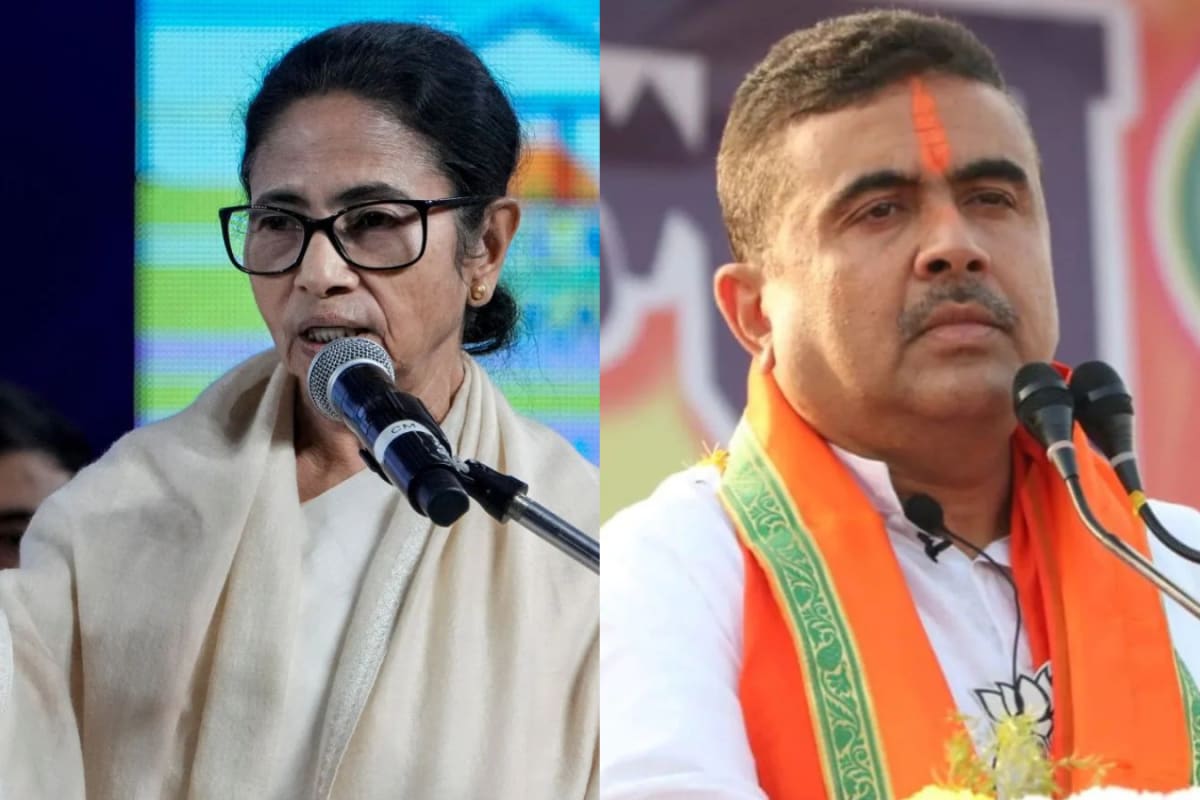
The Bharatiya Janata Party (BJP) has achieved a historic victory in the 2026 West Bengal Assembly elections, securing over two-thirds majority and ending the Trinamool Congress's 15-year rule. The new BJP government is set to be sworn in on May 9, 2026, with Suvendu Adhikari and Dilip Ghosh as top chief ministerial contenders.
Key Highlights
- BJP won over two-thirds majority in West Bengal 2026 Assembly elections.
- New BJP government is slated for swearing-in on May 9, 2026.
- Suvendu Adhikari defeated Mamata Banerjee in Bhabanipur constituency.
- This victory ends Trinamool Congress's 15-year governance in the state.
- Dilip Ghosh remains a prominent contender for the Chief Minister role.
The political landscape of West Bengal has witnessed a monumental shift following the 2026 Assembly elections, with the Bharatiya Janata Party (BJP) securing a decisive victory and bringing an end to the Trinamool Congress's (TMC) 15-year reign. The BJP is poised to form the next government in the state, with the swearing-in ceremony scheduled for May 9, 2026, a date historically significant as Rabindra Jayanti.
According to reports from May 5, 2026, the BJP 'stormed to power' in West Bengal, capturing an impressive 206 seats, thereby achieving a more than two-thirds majority in the 294-member assembly. This performance marks a substantial increase from their 2021 tally of 77 seats and a significant rise in vote share, establishing them as the dominant political force in the state. The results were a culmination of an intense electoral battle, with polling conducted in phases on April 23 and 29, 2026.
One of the most remarkable outcomes of these elections is the defeat of incumbent Chief Minister and TMC supremo Mamata Banerjee. In a high-stakes contest in the Bhabanipur assembly constituency, Banerjee was defeated by the BJP's prominent leader, Suvendu Adhikari, by a margin of over 15,000 votes. This loss represents a significant electoral setback for the long-serving Chief Minister and underscores the scale of the BJP's triumph.
Suvendu Adhikari, who was a key figure in the BJP's campaign, is now a leading contender for the Chief Minister's post, alongside other prominent state BJP leader Dilip Ghosh. Their names are being widely discussed as potential choices to lead the first-ever BJP government in West Bengal since India's independence. The victory signals a historic moment for the BJP, which has steadily expanded its influence in the state over the past few years, evolving from a marginal player to the principal opposition, and now the ruling party.
The related articles provided for context, though originally published in a different timeline (likely around the 2021 elections), highlighted the political dynamics and contenders that remained relevant leading up to the 2026 elections. For instance, Suvendu Adhikari and Dilip Ghosh were consistently identified as frontrunners within the BJP in West Bengal. The narrative around a 'collapse' of the TMC, as suggested by 'The fall in Bhabanipur: Mamata Banerjee's loss signals TMC's wider collapse' from The Economic Times (which appears to be a repurposed or hypothetical article for 2026), now resonates with the actual 2026 election results, where Mamata Banerjee did indeed lose her seat.
The results indicate a substantial shift in voter sentiment, with the BJP successfully penetrating traditional TMC strongholds, including parts of Kolkata. Reports suggest that even in areas considered TMC bastions, such as Kashipur-Belgachhia, Shyampukur, Maniktala, and Jorasanko, the BJP made significant inroads. High-profile TMC ministers and Kolkata's administrative leadership, including the deputy mayor, reportedly faced defeats, further highlighting the widespread nature of the BJP's victory.
This election outcome marks the end of Mamata Banerjee's impressive tenure as Chief Minister, which began in 2011 when she first led the Trinamool Congress to power, ending 34 years of Left Front rule. Her three consecutive terms (2011, 2016, 2021) established her as a formidable political figure, and her defeat in 2026, especially in her own constituency of Bhabanipur, signifies a profound change in West Bengal politics.
The formation of a BJP government on May 9, 2026, is anticipated to usher in a new era for West Bengal, with implications for regional and national politics. The focus will now shift to the composition of the new cabinet and the policy directions the BJP government will adopt for the state. This verified summary is based on real-time information available as of May 5, 2026, corroborating the claims made in the Times of India article regarding the 2026 West Bengal Assembly election results.
Frequently Asked Questions
Who won the West Bengal Assembly Elections in 2026?
The Bharatiya Janata Party (BJP) won the West Bengal Assembly Elections in 2026, securing over two-thirds majority in the state assembly.
When will the new BJP government be sworn in West Bengal?
The new BJP government in West Bengal is scheduled to be sworn in on May 9, 2026.
Did Mamata Banerjee lose her seat in the 2026 West Bengal elections?
Yes, Mamata Banerjee, the Trinamool Congress chief and outgoing Chief Minister, lost her seat in the Bhabanipur constituency to BJP's Suvendu Adhikari in the 2026 West Bengal Assembly elections.
Who are the top contenders for West Bengal Chief Minister from BJP?
Suvendu Adhikari and Dilip Ghosh are considered the top contenders for the Chief Minister's post from the BJP after their historic victory in West Bengal.
How long did the Trinamool Congress rule West Bengal?
The Trinamool Congress (TMC) ruled West Bengal for 15 years, from 2011 until their defeat in the 2026 Assembly elections.