Bangladesh Measles Outbreak: 12 Children Die Daily Amid Worsening Crisis
Bangladesh is grappling with a severe measles crisis, reporting 12 child deaths in a single day and thousands of new suspected cases. The outbreak, fueled by vaccination gaps and testing kit shortages, has led to over 300 deaths since March, raising urgent public health concerns.
Key Highlights
- Bangladesh reports 12 child deaths in one day from measles and related symptoms.
- Over 45,000 children affected, with more than 31,000 hospitalized since March.
- Crisis exacerbated by critical shortages of measles testing kits nationwide.
- Declining vaccination coverage and vaccine supply disruptions are major causes.
- WHO and UNICEF had previously warned about immunity gaps among children.
- Total death toll from measles and related symptoms exceeds 300 since March 15.
Bangladesh is currently battling a deepening measles crisis, with alarming figures indicating a significant public health emergency across the nation. On Thursday, the outbreak claimed the lives of 12 more children from measles and measles-like symptoms within a 24-hour period, including six deaths reported in the Dhaka division alone. This brings the total number of deaths linked to measles and associated symptoms to 336 since the outbreak began on March 15, 2026, according to the Directorate General of Health Services (DGHS). While one of the recently deceased children tested positive for measles, the remaining 11 exhibited measles-related symptoms, highlighting the widespread nature of the disease and its complications.
The severity of the situation is further underscored by the sheer volume of affected individuals. Health authorities report that more than 45,000 children across Bangladesh have developed measles symptoms during this outbreak, with over 31,000 requiring hospitalization. In the same 24-hour period that saw 12 deaths, 1,238 more children developed measles-like symptoms, indicating the rapid and persistent spread of the highly contagious virus. The fatalities were not confined to a single area but were reported from multiple divisions, including Dhaka, Barishal, Khulna, Mymensingh, Rajshahi, and Sylhet, demonstrating the nationwide reach of the crisis.
A critical factor complicating Bangladesh's response to the escalating measles crisis is an ongoing and severe shortage of measles testing kits. This deficit has severely disrupted diagnostic services throughout the country, leading to thousands of samples remaining backlogged at laboratories that can only process a limited number of tests daily. This shortage has raised serious concerns regarding the government's preparedness and its capacity to effectively manage the health emergency.
The current widespread outbreak is largely attributed to significant gaps in childhood immunization coverage and disruptions in vaccine supplies. Both UNICEF and the World Health Organization (WHO) had issued earlier warnings about declining immunization coverage in Bangladesh, which contributed to immunity gaps among children. Specifically, changes in Bangladesh's vaccine procurement process during the interim administration in 2025 reportedly caused delays in vaccine supplies, weakening routine immunization efforts. This transition from a UNICEF-supported procurement system to an open tender system, despite warnings from development partners about potential delays, is believed to have contributed to vaccine shortages between late 2025 and early 2026, creating a vulnerable population.
Political blame has also emerged amidst the crisis, with Prime Minister Tarique Rahman's new government accusing the past interim administration of Muhammad Yunus of failing to take timely and expected "routine" action. Rahman has reportedly called the failure of past regimes a "life-destroying" and "unforgivable crime." This political discourse highlights the immense pressure on the current administration to contain the outbreak and ensure accountability.
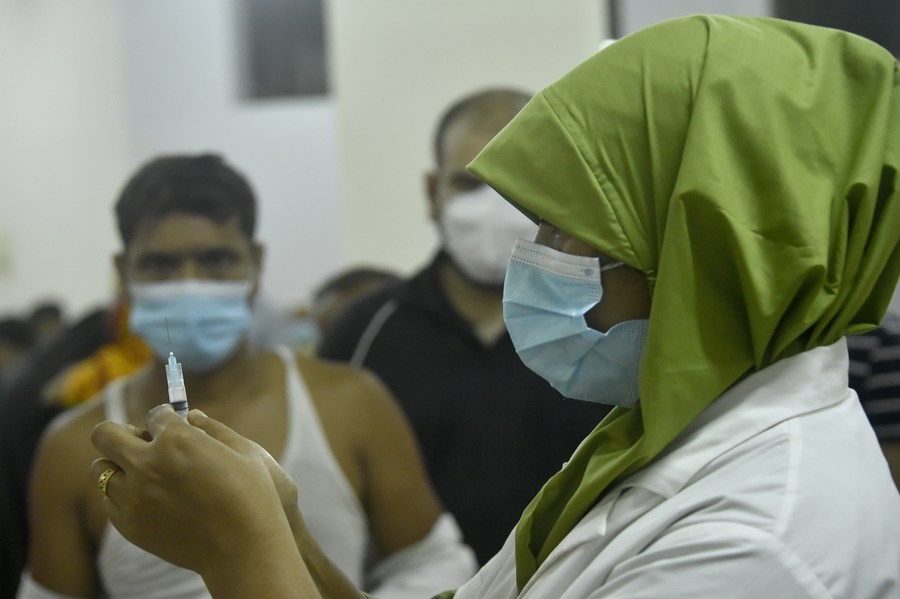
The outbreak has spread across all eight divisions and 58 out of 64 districts in Bangladesh, indicating widespread national transmission. Children under five years old account for the majority (79%) of reported cases, with a substantial proportion occurring among unvaccinated children or those who had received only one dose of the measles-containing vaccine. The situation underscores a broader vulnerability within the national public health system and a human rights issue where the right to life of children is being compromised. While a targeted measles-rubella vaccination campaign started on April 5, 2026, and other outbreak response measures are underway, the scale of the crisis suggests a long and challenging road ahead for Bangladesh's health authorities.
Frequently Asked Questions
How many children have died recently in the Bangladesh measles outbreak?
In a 24-hour period, 12 children died from measles and measles-like symptoms in Bangladesh, with the total death toll since the outbreak began on March 15, 2026, reaching 336.
What is causing the severe measles outbreak in Bangladesh?
The outbreak is primarily caused by declining immunization coverage, significant gaps in childhood vaccination, and disruptions in vaccine supplies. Changes in vaccine procurement processes also contributed to shortages.
Are there enough resources to test for measles in Bangladesh?
No, Bangladesh is facing a critical shortage of measles testing kits, which has severely hampered diagnostic services and resulted in thousands of samples awaiting processing.
What is the scale of the measles crisis in Bangladesh?
Since March 15, over 45,000 children have developed measles symptoms, and more than 31,000 have required hospitalization across all eight divisions and 58 districts of Bangladesh.
What actions are being taken to address the outbreak?
A targeted measles-rubella vaccination campaign began on April 5, 2026, and other outbreak response measures are ongoing, including strengthening surveillance and epidemiological analysis.