Yemen Separatists Split Amid Escalating Saudi-UAE Rift | Quick Digest
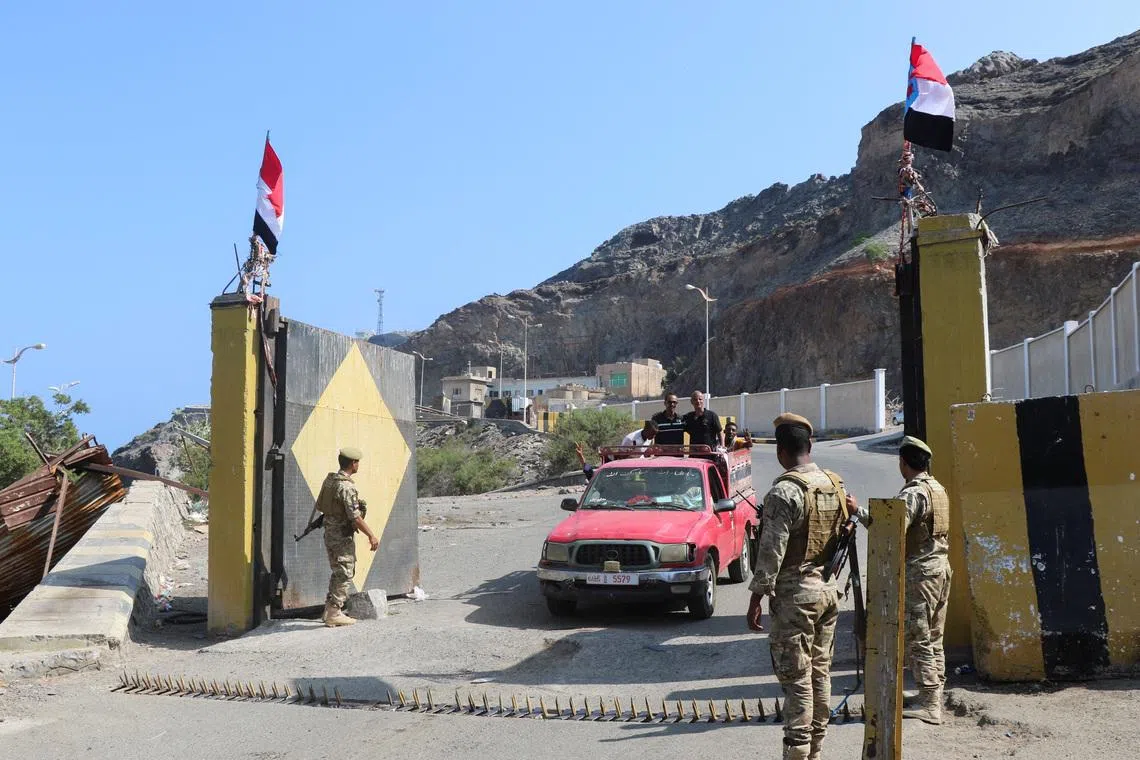
Yemen's main separatist group, the Southern Transitional Council (STC), appears to be fracturing following an announcement by some members to dissolve it, amidst reports its leader fled to the UAE. This reflects a deepening geopolitical rift between Saudi Arabia and the United Arab Emirates over their conflicting agendas in southern Yemen.
STC announced dissolution by some members, leader fled to UAE.
Saudi Arabia accused UAE of smuggling STC leader Aidarous al-Zubaidi.
Events highlight widening Saudi-UAE strategic rupture over Yemen.
Saudi-backed forces recaptured areas seized by UAE-backed STC.
Riyadh views STC's secessionist moves as a threat to its security.
Internal divisions within STC regarding its future and leadership.
Yemen's principal separatist entity, the Southern Transitional Council (STC), is experiencing a significant internal split, directly reflecting an escalating geopolitical feud between its regional patrons, Saudi Arabia and the United Arab Emirates. On January 9, 2026, some members of the STC announced the group's dissolution, a move that coincided with reports of its leader, Aidarous al-Zubaidi, having fled to the UAE. However, an STC spokesperson indicated internal disagreement, asserting that any decision regarding the council's future can only be made by the entire body, including its president, and upon the release of its delegation currently in Riyadh.
This apparent fragmentation within the STC is deeply intertwined with a growing divergence in the strategic interests of Saudi Arabia and the UAE concerning Yemen's future. Both Gulf powers, once allies in the anti-Houthi coalition, are now openly confronting each other. Saudi Arabia has explicitly accused the UAE of facilitating al-Zubaidi's departure from Yemen and flying him to Abu Dhabi. This follows a period of heightened tensions where UAE-backed STC forces advanced into and seized control of eastern governorates like Hadramout and Al-Mahra in December 2025, areas critical for Yemen's oil reserves. Riyadh responded decisively, with Saudi-backed forces largely retaking these territories and reportedly conducting airstrikes against UAE military assets or shipments intended for the STC. Saudi Arabia views the STC's separatist ambitions and the UAE's support for them as a direct threat to its national security and the territorial integrity of the Arabian Peninsula. This ongoing friction underscores a fundamental rupture in Gulf unity and complicates prospects for a comprehensive peace settlement in the war-torn nation.
Read the full story on Quick Digest