Pakistan Eyes Iran Mediation Amid US Tensions, Echoing 1971 History
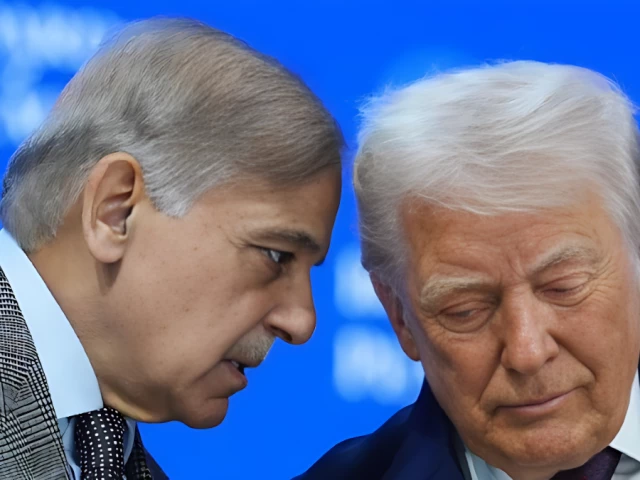
Pakistan is positioning itself as a potential mediator between the US and Iran amidst escalating Middle East tensions, with US President Donald Trump engaging Pakistani leadership. This development, which includes Pakistan's offer to host talks, draws historical parallels to Islamabad's crucial role in facilitating secret US-China diplomacy during the 1971 Bangladesh Liberation War, raising concerns in India.
Key Highlights
- Pakistan offers to mediate US-Iran talks amidst Middle East conflict.
- Donald Trump engages Pakistani leadership on Iran mediation efforts.
- Shehbaz Sharif proposes Islamabad as venue for US-Iran negotiations.
- Historical parallels drawn to Pakistan's 1971 US-China diplomatic role.
- Iran reportedly dismisses Trump's negotiation claims as 'fake news'.
- India concerned over Pakistan's enhanced regional diplomatic leverage.
In a significant development unfolding in March 2026, Pakistan has emerged as a potential key mediator in the escalating tensions between the United States and Iran, a situation that has garnered considerable attention, particularly in India. The current scenario sees US President Donald Trump actively engaging with Pakistani leadership regarding possible mediation efforts to de-escalate the ongoing 'US-Israeli war against Iran' in the Middle East. This diplomatic push has notably sparked discussions and drawn historical parallels to Pakistan's pivotal, albeit controversial, role in facilitating secret diplomatic overtures between the US and China during the 1971 Bangladesh Liberation War.
Pakistani Prime Minister Shehbaz Sharif has publicly offered Pakistan's readiness to host and facilitate "meaningful and conclusive talks" between Washington and Tehran, provided both sides agree. This offer gained traction after Trump himself shared Sharif's post on X (formerly Twitter), fueling widespread speculation about Islamabad's potential backchannel diplomacy. Furthermore, reports indicate that Pakistan's Army Chief Asim Munir held discussions with Donald Trump, while Prime Minister Sharif engaged with Iranian President Masoud Pezeshkian, underscoring Pakistan's concerted efforts to position itself as a central interlocutor.
The backdrop to these mediation attempts is a period of heightened regional instability, marked by Trump's earlier threats to "obliterate" Iran's power plants, followed by a subsequent announcement to delay these strikes after what he described as "very good and productive conversations" with Tehran. However, Iran has complicated the narrative by reportedly dismissing Trump's talk offers as "fake news" and launching missile strikes into Israel, suggesting a reluctance to engage in formal negotiations as presented by the US. Despite this, multiple US and Israeli media outlets suggest that Pakistan, alongside other countries like Egypt and Turkey, has been quietly acting as an intermediary, attempting to create an 'off-ramp' from the conflict. Pakistan's unique position—not hosting American bases and thus being largely spared from Iranian missile attacks—is cited as a factor that enhances its credibility as a neutral arbiter to both Washington and Tehran. Reports suggest that Pakistan has even conveyed a 15-point proposal from the Trump administration to Tehran, highlighting its active role in unofficial channels.
The historical comparison, as highlighted by The Hindu, to former US President Richard Nixon's diplomatic opening to China in 1971 is particularly poignant. During that Cold War era, Pakistan served as an indispensable secret conduit for the US to establish contact with Beijing, a move that reshaped global geopolitics. This diplomatic maneuver occurred amidst the tumultuous 1971 Bangladesh Liberation War, where the Nixon administration controversially "tilted" towards Pakistan. Newly unsealed Watergate-era records reveal that Nixon even privately assured China of US support if Beijing were to attack India during the conflict. This historical context is critical for an Indian audience, as it evokes memories of a time when India found itself strategically opposed to the US-Pakistan-China axis, having signed the 20-year Indo-Soviet Treaty of Peace, Friendship and Cooperation in August 1971. The Hindu article explicitly notes that the current Trump administration, in its decision to leverage Pakistan for conveying proposals to Tehran, likely did not fully consider these historical strains and their implications for regional dynamics. The resurgence of Pakistan in a mediating role, particularly with a figure like Donald Trump, carries significant geopolitical weight for India, potentially altering regional power balances and alliances. This re-engagement could be perceived by India as a strategic setback, as it enhances Pakistan's diplomatic standing and leverage in critical international forums, reminiscent of past alignments that worked against India's interests. The unfolding events demonstrate a complex interplay of current geopolitical shifts and deep-seated historical patterns in South Asia and the Middle East.
Frequently Asked Questions
What is Pakistan's role in the current US-Iran tensions?
Pakistan is actively positioning itself as a mediator between the United States and Iran. Prime Minister Shehbaz Sharif has publicly offered to host talks, and Pakistan's Army Chief Asim Munir has reportedly engaged with Donald Trump on the matter, aiming to de-escalate the conflict.
How has Donald Trump responded to Pakistan's mediation efforts?
Donald Trump has fueled speculation about Pakistan's mediating role by sharing PM Shehbaz Sharif's social media post offering to host talks. Reports also indicate direct engagement between Trump and Pakistan's military leadership regarding Iran.
What historical parallel is being drawn to Pakistan's current role?
The current situation draws parallels to Pakistan's crucial role in 1971 when it acted as a secret conduit for former US President Richard Nixon's historic opening to China. This happened during the Bangladesh Liberation War, when the US tilted towards Pakistan, creating significant historical strains with India.
What are the implications for India of Pakistan mediating US-Iran talks?
For India, Pakistan's enhanced diplomatic role as a mediator between the US and Iran could be seen as a strategic setback. It revives memories of past geopolitical alignments that did not favor India's interests, potentially impacting regional power dynamics and India's own strategic standing.
Has Iran agreed to the proposed talks mediated by Pakistan?
While Pakistan is making efforts to facilitate talks and Trump has spoken of 'productive conversations,' Iran has reportedly dismissed Trump's claims of negotiations as 'fake news' and has also launched missile strikes, indicating a reluctance to formally engage in such talks at this moment.