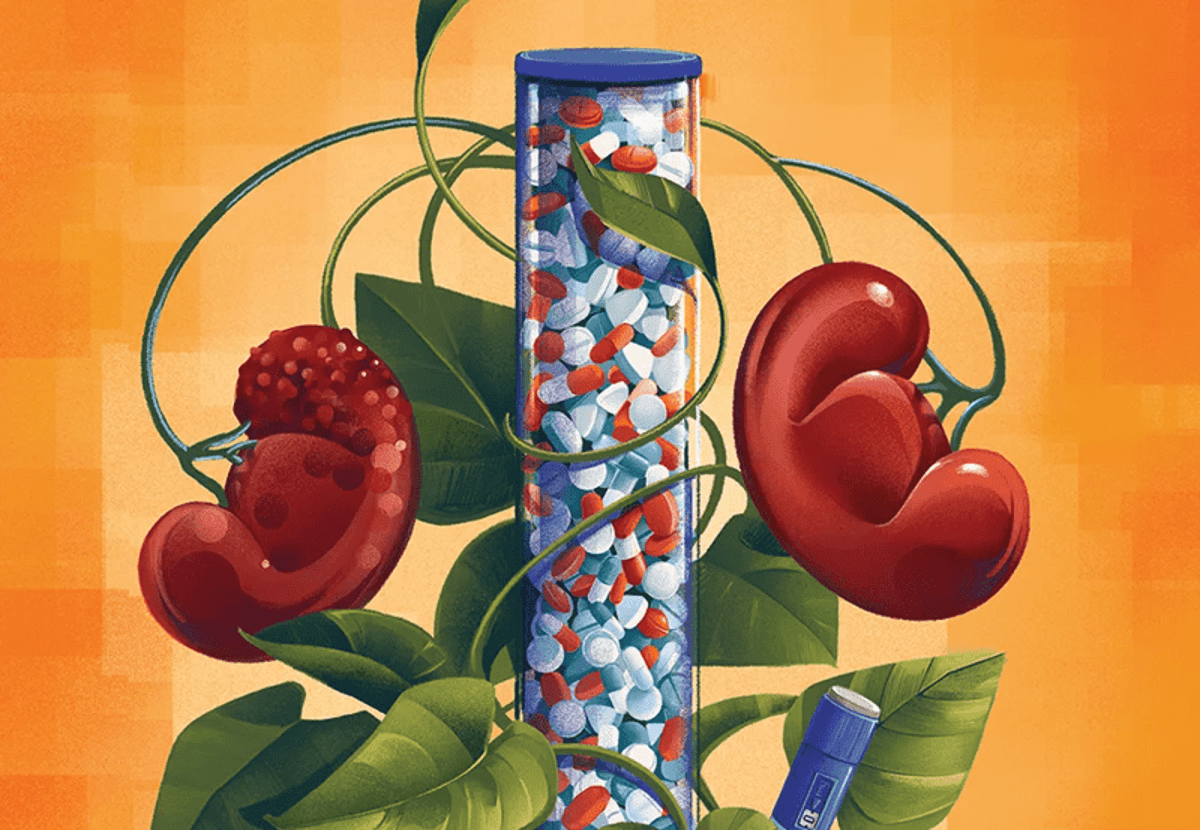
Stopping GLP-1 Drugs: Increased Heart Attack, Stroke, and Death Risk
A new study indicates that discontinuing GLP-1 receptor agonist medications, commonly used for diabetes and weight loss, significantly increases the risk of heart attack, stroke, and death. These cardiovascular benefits rapidly diminish within months of stopping treatment, underscoring the importance of continuous therapy for sustained heart protection.
Key Highlights
- Discontinuing GLP-1 drugs significantly elevates risk of heart attack, stroke, and death.
- Cardiovascular benefits rapidly disappear within months after stopping GLP-1 treatment.
- Risk of major cardiovascular events can increase by up to 22% within two years of discontinuation.
- Metabolic reversal, including inflammation and blood pressure surge, contributes to increased risk.
- Cost, side effects, and shortages are major reasons patients discontinue GLP-1 medications.
- Continuous GLP-1 therapy is crucial for maintaining long-term cardiovascular protection.
A significant new study has revealed that patients who discontinue GLP-1 receptor agonist (GLP-1 RA) medications, widely used for managing type 2 diabetes and obesity, face a substantially increased risk of serious cardiovascular events, including heart attack, stroke, and death. The research, published in *BMJ Medicine* on March 18, 2026, and conducted by scientists at Washington University School of Medicine in St. Louis, tracked over 333,000 U.S. veterans with type 2 diabetes over a three-year period.
The study's findings are stark: compared to individuals who maintained continuous GLP-1 treatment, those who stopped or even temporarily interrupted their medication for as little as six months experienced a notable increase in the risk of major cardiovascular events. This risk escalated with the duration of discontinuation, reaching a 14% higher risk of heart attack, stroke, or death after one year off GLP-1s and climbing to as much as 22% after two years. These figures suggest that the cardiovascular benefits accrued during treatment are largely, if not entirely, negated once the medication is stopped.
Senior author Ziyad Al-Aly, MD, a clinical epidemiologist at WashU Medicine, emphasized that the consequences of stopping GLP-1 drugs extend beyond the widely recognized issue of weight regain. He described a phenomenon of 'metabolic whiplash,' where discontinuing the medication leads to a resurgence in inflammation, blood pressure, and cholesterol levels. While weight regain is visible, this metabolic reversal is often silent, yet profoundly detrimental to heart health. This suggests that GLP-1 RAs offer both weight-dependent and weight-independent cardiovascular benefits, meaning their protective effects on the heart are not solely due to weight loss.
Several factors contribute to patients discontinuing GLP-1 therapies. High costs, insurance coverage issues, unpleasant gastrointestinal side effects (such as nausea, vomiting, and diarrhea), and drug shortages are frequently cited reasons for cessation. Experts, including Dr. Sadiya S. Khan, a cardiologist at Northwestern Medicine, highlight that the high discontinuation rates (between 50% to 75% within a year) should alarm healthcare professionals and policymakers, particularly given the significant cardiovascular protection these drugs offer.
The study reinforces the notion that GLP-1 medications are not short-term solutions but rather therapies that require continuous use to sustain their benefits. The rapid attenuation of cardioprotection upon discontinuation underscores the importance of developing strategies to improve treatment persistence. These strategies could include better patient education about the chronic nature of obesity and diabetes, improved insurance coverage to mitigate cost barriers, and enhanced management of side effects to improve patient adherence.
While this study primarily focused on cardiovascular outcomes, it's worth noting that other research has explored weight regain after discontinuing GLP-1s. Earlier trials often showed significant weight regain, with patients regaining an average of two-thirds of their lost weight within 12 months. However, some newer real-world analyses, such as one from Cleveland Clinic and data analyzed by nference, suggest more varied outcomes for weight management, with some patients maintaining weight loss or continuing to lose weight, often due to restarting treatment, switching to alternative obesity interventions, or adopting lifestyle changes like exercise counseling. Despite these nuances in weight trajectory, the *BMJ Medicine* study provides clear evidence of the reversal of crucial heart protection when GLP-1 therapy is stopped, emphasizing the need for a long-term approach to treatment for patients at cardiovascular risk.
Frequently Asked Questions
What are GLP-1 receptor agonists (GLP-1 RAs)?
GLP-1 receptor agonists are a class of medications, such as semaglutide (Ozempic, Wegovy) and tirzepatide (Mounjaro, Zepbound), primarily used to treat type 2 diabetes and chronic weight management. They work by mimicking a natural hormone that helps regulate blood sugar, slows stomach emptying, and can reduce appetite.
What are the risks of stopping GLP-1 medications?
A recent study found that discontinuing GLP-1 medications significantly increases the risk of major cardiovascular events, including heart attack, stroke, and death. These benefits begin to fade within months, with risks potentially increasing by up to 22% within two years of stopping treatment.
Why do the cardiovascular benefits disappear after stopping GLP-1s?
When GLP-1 medications are stopped, a 'metabolic whiplash' can occur. This involves a resurgence in inflammation, blood pressure, and cholesterol levels, which were positively impacted by the drug, leading to an increased risk of cardiovascular problems.
Why do patients often stop taking GLP-1 drugs?
Common reasons for discontinuing GLP-1 medications include their high cost, challenges with insurance coverage, experience of gastrointestinal side effects like nausea and vomiting, and sometimes drug shortages.
Do GLP-1 medications need to be taken long-term for heart protection?
Yes, current research suggests that GLP-1 therapy should be considered a chronic treatment for sustained cardiovascular protection. The benefits are largely lost if the medication is discontinued, highlighting the importance of continuous use.