Babri Masjid Replica Construction Begins in Murshidabad Amidst Controversy
Construction of a Babri Masjid-style mosque has commenced in Murshidabad, West Bengal, led by suspended TMC MLA Humayun Kabir. The initiative, marking the start of brick-laying on February 11, 2026, has sparked significant political and communal controversy, drawing strong opposition from Hindutva groups and reactions from political leaders.
Key Highlights
- Babri Masjid-style mosque construction began in Murshidabad, West Bengal.
- Suspended TMC MLA Humayun Kabir is spearheading the controversial project.
- Foundation stone was laid on December 6, 2025, anniversary of Babri Masjid demolition.
- Hindutva groups, including VHRP, vehemently oppose the mosque construction.
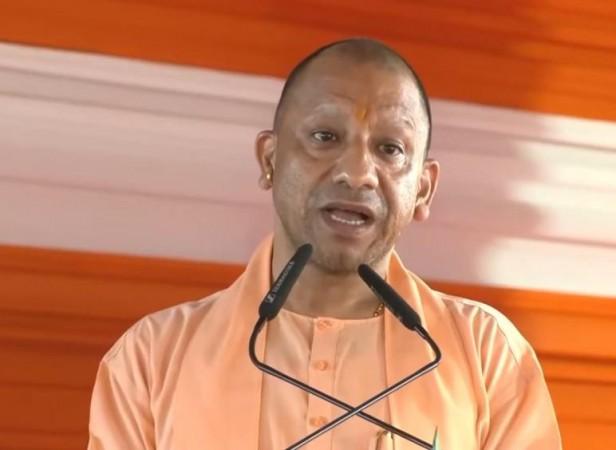
- Uttar Pradesh CM Yogi Adityanath stated 'Babri will never be rebuilt'.
- The Calcutta High Court earlier upheld construction but ordered law and order maintenance.
The construction of a mosque designed in the style of the erstwhile Babri Masjid formally began on February 11, 2026, in Murshidabad district, West Bengal. The brick-laying ceremony took place in Beldanga, spearheaded by Humayun Kabir, a suspended Trinamool Congress (TMC) MLA who now leads the Janata Unnayan Party (JUP). The event, which included Quran recitations, marks a significant step in a project that has been fraught with political and communal tensions since its inception.
The genesis of this controversy dates back to December 6, 2025, when Kabir laid the foundation stone for the mosque. This date is highly symbolic, as it coincides with the 33rd anniversary of the demolition of the original Babri Masjid in Ayodhya. Kabir's initial announcement of his intent to build a 'Babri Masjid' replica led to his suspension from the Trinamool Congress, with the party distancing itself from his statements and actions.
The proposed mosque in Murshidabad, a minority-dominated district, has drawn sharp reactions across the political spectrum and from various social organizations. Hindutva groups, most notably the Vishwa Hindu Raksha Parishad (VHRP), have strongly condemned the initiative. They have launched protests and called for a 'Chalo Murshidabad Yatra' (March to Murshidabad) to obstruct the construction, employing provocative slogans. These groups assert that no structure should be built under the name of Babri Masjid, which they consider a closed chapter of history following the Supreme Court's 2019 verdict on the Ayodhya dispute.
The controversy intensified with remarks from prominent political figures. Uttar Pradesh Chief Minister Yogi Adityanath publicly declared that the 'Babri structure would never be rebuilt' and that 'the day of Qayamat (doomsday) will never come,' directly addressing those advocating for the mosque. Both the Bharatiya Janata Party (BJP) and the Indian National Congress have criticized the project, accusing the TMC (and by extension, the state government, despite Kabir's suspension) of engaging in communal politics ahead of impending assembly elections.
Legally, the Calcutta High Court had previously declined to issue a stay on the construction of the mosque but instructed the state government to take all necessary measures to prevent any breakdown of law and order. This ruling effectively allowed the project to proceed while placing the onus on authorities to manage potential unrest.
Humayun Kabir has actively sought public support and donations for the project, with reports indicating that over ₹1.30 crore has been collected. The estimated total cost for the mosque's construction is approximately ₹55 crore, with a projected completion timeframe of two to three years. Following the commencement of construction, Kabir also plans to launch a three-day 'Babri Yatra' (rally for Babri Mosque). This rally, starting from Palashi in Nadia district and covering 265 kilometers to Itahar in North Dinajpur, aims to counter what Kabir describes as misinformation and to inform people about the mosque's construction.
The development in Murshidabad has reopened sensitive historical fault lines associated with the Babri Masjid issue, which culminated in the Supreme Court's 2019 verdict paving the way for a Ram Temple at the disputed Ayodhya site and allocating an alternative five-acre plot for a mosque in Dhannipur. The current situation highlights ongoing communal sensitivities and political mobilization around religious identity in India, particularly in the lead-up to elections. Security agencies in West Bengal and Uttar Pradesh remain on high alert to prevent any untoward incidents amidst the escalating tensions.
Frequently Asked Questions
What is being constructed in Murshidabad?
A mosque styled as a replica of the erstwhile Babri Masjid is being constructed in Beldanga, Murshidabad district, West Bengal. It is not a reconstruction of the original Babri Masjid.
Who is leading the construction of this mosque?
The project is being led by Humayun Kabir, a suspended Trinamool Congress (TMC) MLA and the chief of the Janata Unnayan Party (JUP).
When did the construction formally begin and when was the foundation stone laid?
The brick-laying ceremony, marking the formal start of construction, took place on February 11, 2026. The foundation stone for the mosque was laid earlier, on December 6, 2025, which is the anniversary of the Babri Masjid's demolition.
What kind of opposition has this project faced?
The project has faced strong opposition from various Hindutva groups, including the Vishwa Hindu Raksha Parishad, who have called for protests and a march to Murshidabad. Political leaders, including Uttar Pradesh CM Yogi Adityanath, have also publicly condemned the initiative.
What is the estimated cost and duration for the mosque's completion?
The estimated cost for the construction is around ₹55 crore, and it is expected to be completed within two to three years.