Indian Rupee Faces Volatility; Bonds Track RBI, Global Index Inclusion | Quick Digest
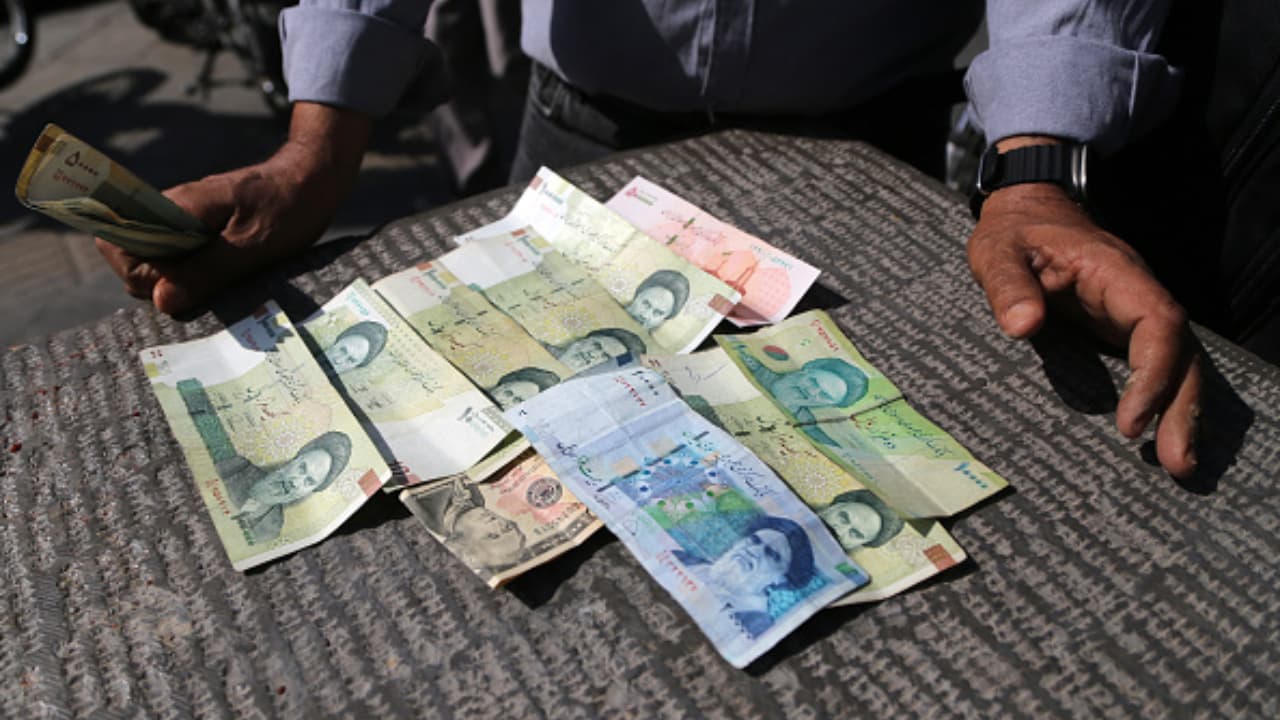
The Indian Rupee is expected to remain volatile in 2026 due to capital outflows and global uncertainties. India's bond markets will be shaped by RBI policies and significant foreign inflows from ongoing global index inclusion.
Indian Rupee projected to experience continued volatility and limited appreciation in 2026.
Persistent foreign capital outflows and global uncertainties are key pressures on the rupee.
Reserve Bank of India's monetary policy and liquidity operations will heavily influence bond markets.
India's government bonds are gaining significant foreign inflows due to global index inclusions.
Tight domestic liquidity and corporate hedging demands also contribute to currency and bond movements.
The Indian Rupee is projected to experience continued volatility throughout 2026, offering little significant relief for the currency. After a challenging 2025 marked by substantial depreciation and record lows, experts anticipate a phase of stabilization, but persistent global uncertainties, US-India trade talks, and capital flow dynamics will maintain pressure on the rupee. The rupee has weakened significantly over the past year, becoming the worst-performing Asian currency, with foreign portfolio investors having net sold over $1 billion in January 2026 alone, adding to nearly $19 billion in outflows in 2025. Forecasts place the USD/INR pair within a range of 88 to 91.50, with expectations of it drifting towards the 91-level due to continued foreign selling and trade deal uncertainties.
Meanwhile, India's bond markets are set to closely track the Reserve Bank of India's (RBI) monetary policy decisions and liquidity operations. Market participants expect the RBI to infuse additional liquidity in February and March 2026 to manage short-term borrowing costs and stabilize government bond yields amidst tight system liquidity and rising commercial paper and certificate of deposit rates. The central bank's stance, through its signals and liquidity management, plays a crucial role in preventing disorderly market moves and stabilizing term funding for issuers.
A significant positive factor for the bond market is India's ongoing inclusion in global bond indices. Having already been part of JPMorgan's emerging market bond index since June 2024, which has attracted approximately $21 billion in foreign investment, India is now nearing inclusion in the Bloomberg Global Aggregate Index. An official announcement regarding the Bloomberg index inclusion, which could bring an estimated $25 billion in foreign inflows, is expected by January 2026. This inclusion enhances the global visibility and attractiveness of Indian government bonds, potentially easing government bond yields and boosting overall financial stability. Despite these positive inflows, the broader macroeconomic environment, including trade tariffs and commodity price volatility, remains a key risk for the bond market.
Read the full story on Quick Digest