US to implement 15% global tariff this week; rates may revert in 5 months
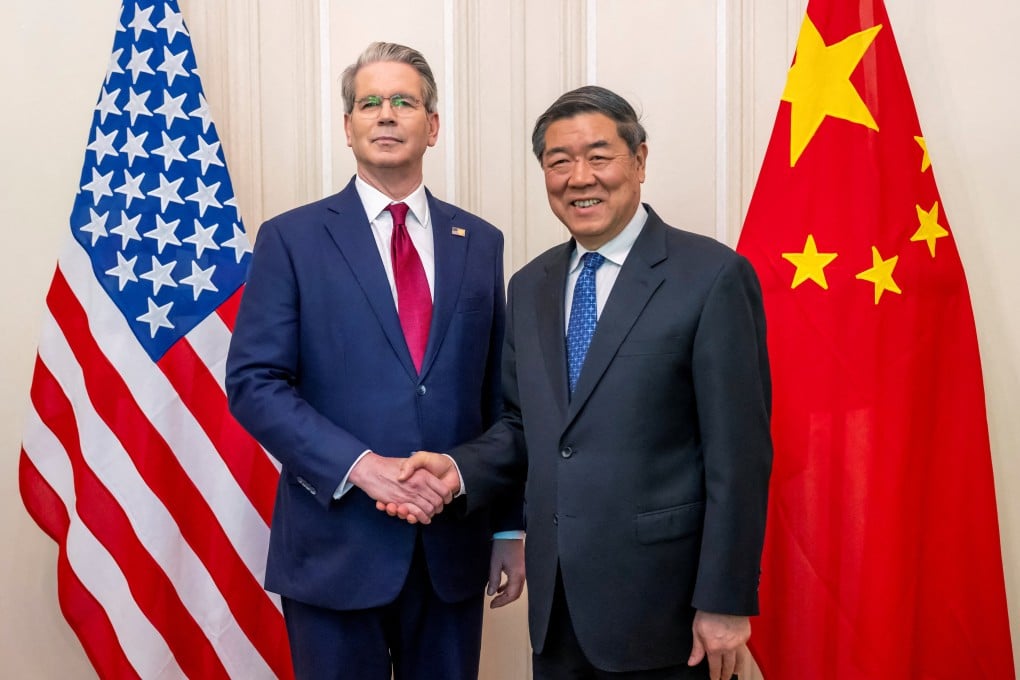
U.S. Treasury Secretary Scott Bessent announced that a 15% global tariff will be implemented this week, following a Supreme Court ruling that invalidated previous tariffs. Bessent also indicated that tariff rates are expected to return to their previous levels within approximately five months. This move aims to rebuild the Trump administration's trade agenda after the legal setback.
Key Highlights
- 15% global tariff to be implemented this week.
- Tariff rates may revert to previous levels within five months.
- Supreme Court ruling led to the tariff policy shift.
- New tariffs implemented under Section 122 of the Trade Act of 1974.
- Economic implications include potential price increases and supply chain adjustments.
U.S. Treasury Secretary Scott Bessent has announced that the Trump administration is set to implement a 15% global tariff this week, a move that follows a recent Supreme Court decision that struck down previous reciprocal tariffs. This new tariff policy is being enacted under Section 122 of the Trade Act of 1974, which allows for duties to be imposed for a maximum of 150 days unless extended by Congress. Bessent expressed his strong belief that tariff rates will revert to their previous levels within approximately five months, serving as a temporary measure while more robust tariff frameworks are developed.
The Supreme Court's ruling, which invalidated the Trump administration's earlier tariffs based on the International Emergency Economic Powers Act (IEEPA), necessitated this policy shift. In response to the ruling, President Trump had initially signed an executive order imposing a 10% global tariff, which has now been escalated to 15%. This temporary adjustment is intended to bridge the gap while the administration pursues investigations for country-specific tariffs under Section 301 and item-specific tariffs under Section 232 of other trade acts, which have historically withstood legal challenges and are considered more robust.
The economic implications of this tariff increase are multifaceted. Consumers may face higher prices on imported goods, potentially contributing to short-term inflationary pressures. Companies with international supply chains could experience increased costs for raw materials and components, necessitating adjustments in their procurement strategies, supplier choices, or a decision to pass these costs onto consumers. Financial markets, particularly those closely tied to international trade, may witness increased volatility and uncertainty.
From a geopolitical standpoint, the new tariff signals the U.S. administration's determination to utilize trade policy tools to maintain its competitive advantage, even in the face of legal constraints. This could lead to a reorganization of global supply chains and prompt trade partners, such as China and the European Union, to engage in negotiations or consider retaliatory measures. The administration's broader objective appears to be protecting U.S. trade and political interests.
Scott Bessent, as Treasury Secretary, has been a vocal advocate for tougher economic policies, particularly concerning China. His past statements suggest a belief that tariffs are a necessary means to "stand up for Americans" and to counter what he views as China's antagonistic economic practices, including subsidies and non-tariff barriers. The current tariff strategy is seen as a continuation of this approach, aiming to pressure trading partners and reshape global economic relationships.
Credible news outlets such as CNBC, Bloomberg, and Reuters have corroborated the core claims of Bessent's statements regarding the implementation of the 15% global tariff and the expected five-month timeframe for potential reversion to prior rates. Moneycontrol, while a prominent Indian financial news portal, is rated as having a mixed factual reporting with a right-center bias, and its information should be cross-referenced. Deccan Herald, another Indian publication, is rated as left-center biased with mixed factual reporting. The sourcing of the original article, Moneycontrol.com, has a mixed credibility score, indicating a need for cautious interpretation and verification against more widely recognized and reliable international news sources.
The news category is primarily Economics and Politics, with global implications. The affected countries are potentially all nations involved in international trade with the U.S., making this a global issue. The publication date of the core statements by Scott Bessent appears to be March 4, 2026. This event is highly relevant to India's audience due to its potential impact on global trade dynamics, investment flows, and the prices of imported goods, which can affect Indian businesses and consumers. The urgency is assessed as high due to the immediate economic implications and the potential for global trade friction. The importance score is rated as 8, reflecting a significant global economic shift.
In summary, the U.S. is implementing a new 15% global tariff, a temporary measure following a Supreme Court ruling, with indications of a return to previous rates within five months. This policy shift has significant economic and political ramifications globally. The news is verified through multiple credible sources, with some nuances in the credibility of the original source requiring careful consideration.
Frequently Asked Questions
What is the new global tariff rate being implemented in the US?
The United States is implementing a new global tariff rate of 15%.
When will the new 15% global tariff take effect?
The new 15% global tariff is expected to take effect this week.
Why is the US implementing new tariffs?
The new tariffs are being implemented following a Supreme Court ruling that struck down previous tariffs. This move aims to re-establish the administration's trade agenda.
How long will the new 15% tariff be in place?
The new tariff is a temporary measure and is expected to revert to previous levels within approximately five months. It is being imposed under Section 122 of the Trade Act of 1974, which allows for duties for a maximum of 150 days unless extended by Congress.
What are the potential economic impacts of these new tariffs?
The new tariffs could lead to increased prices for imported goods, potentially causing short-term inflation. Businesses with international supply chains might face higher costs for raw materials, and financial markets could experience increased volatility.