Artemis II: Inside Astronaut Life on the Historic Lunar Flyby Mission | Quick Digest
The Artemis II mission, set for launch in early 2026, will send four astronauts on a 10-day journey around the Moon. This crewed lunar flyby is a critical step in NASA's Artemis program, testing life support systems and preparing for future lunar landings. The mission emphasizes astronaut daily life, including food and waste management.
Artemis II is NASA's first crewed lunar mission in over 50 years.
Four astronauts will undertake a 10-day journey around the Moon.
Mission focuses on testing life support and deep space capabilities.
Launch window is set for no earlier than February 2026.
Article details astronaut daily life, including eating and waste management.
The mission is a precursor to future human lunar landings.
The Artemis II mission marks a pivotal moment in space exploration, being the first crewed flight to the vicinity of the Moon since Apollo 17 in 1972. Led by NASA, with significant contributions from the Canadian Space Agency, the mission plans to send four astronauts on an approximately 10-day journey around the Moon. The crew comprises NASA astronauts Reid Wiseman, Victor Glover, and Christina Koch, alongside CSA astronaut Jeremy Hansen.
The mission's primary objective is to thoroughly test the Orion spacecraft's systems, particularly its life support, communication, and navigation capabilities, with humans aboard in the deep space environment. This crucial test flight will not land on the Moon but will perform a lunar flyby, taking the crew farther from Earth than any humans have traveled before.
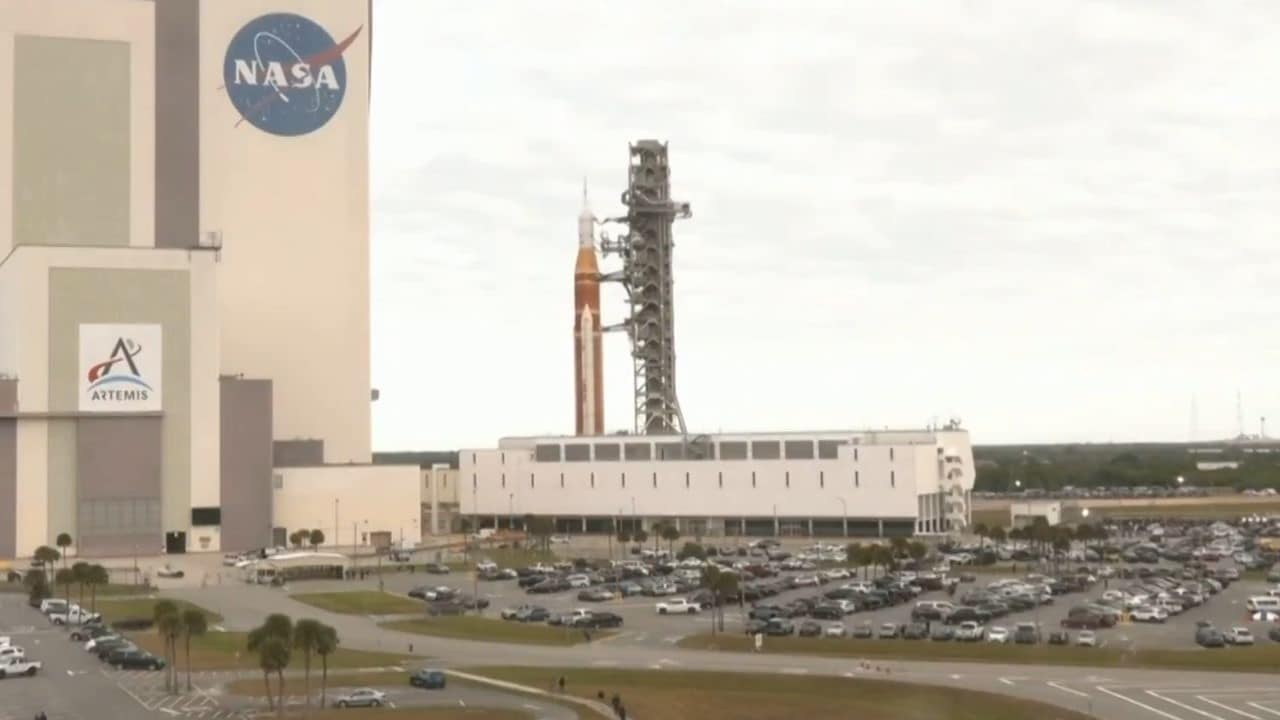
Central to the BBC Sky at Night Magazine article's focus is the intricate planning around the astronauts' daily lives, addressing fundamental needs like eating and waste management during their confined journey in the Orion capsule. Astronauts will rely on pre-prepared, rehydratable meals, with careful consideration for packaging and waste disposal in microgravity. Waste management systems are designed to effectively process human waste, including reclaiming urine for drinking water, demonstrating closed-loop life support necessary for long-duration spaceflight. The Space Launch System (SLS) rocket and Orion spacecraft have recently reached the launch pad at Kennedy Space Center's Launch Pad 39B, with a wet dress rehearsal planned for early February 2026. The earliest launch window for Artemis II opens on February 6, 2026, extending through April 2026, contingent on successful final testing and integration milestones. This mission is a vital stepping stone towards establishing a sustained human presence on the Moon and eventually paving the way for crewed missions to Mars.
Read the full story on Quick Digest