Bangladesh Interim Leader Warns of Election Disinformation 'Flood' | Quick Digest
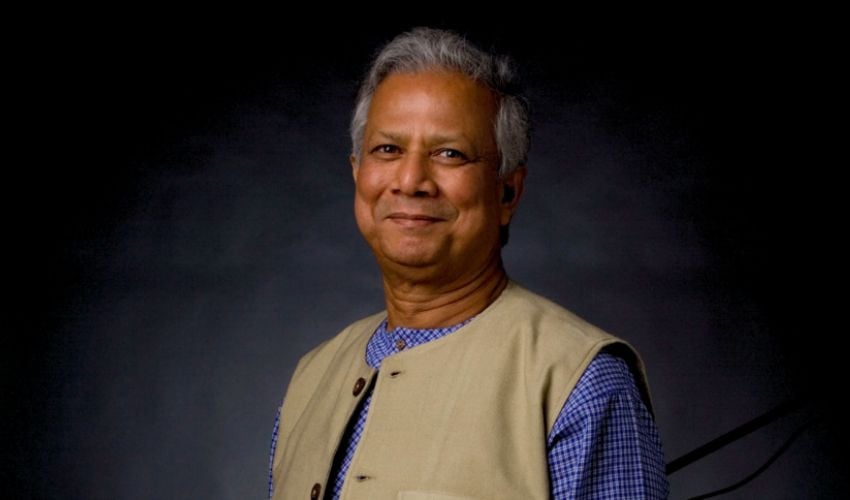
Bangladesh's interim leader, Muhammad Yunus, has issued a stark warning about a "flood of misinformation" threatening the credibility of the upcoming general elections on February 12, 2026. He has sought UN support to combat this surge of fake news and rumors ahead of the crucial polls, the first since the 2024 uprising that overthrew Sheikh Hasina's government.
Bangladesh to hold general elections and a referendum on February 12, 2026.
Interim leader Muhammad Yunus warns of widespread disinformation ahead of polls.
Yunus called on the UN human rights team for support against misinformation.
The election follows the August 2024 uprising and removal of Sheikh Hasina's government.
A referendum on the 'July Charter' for democratic reforms will be held simultaneously.
The Awami League, led by Sheikh Hasina, is banned and will not contest the elections.
Bangladesh's interim leader, Nobel laureate Muhammad Yunus, has issued a strong warning regarding a "flood of misinformation" that poses a significant threat to the credibility of the country's upcoming general elections. The national polls, scheduled for February 12, 2026, will be the first since a student-led uprising in August 2024 led to the resignation of former Prime Minister Sheikh Hasina and the establishment of an interim government under Yunus.
Yunus, who assumed the role of Chief Adviser to lead the transitional government, reportedly communicated his concerns to the United Nations human rights chief, Volker Turk, on January 13, 2026. He highlighted a surge of fake news, rumors, and speculation spreading across social media from both local and foreign sources, which he believes could gravely impact the integrity of the elections. The UN has reportedly offered its support to address this challenge.
These elections are pivotal for Bangladesh, marking a significant democratic transition following years of political turmoil. Alongside the parliamentary elections for 300 seats, a constitutional referendum on the "July Charter" will also take place on the same day. This reform package aims to introduce stronger checks and balances, enhance judicial independence, and prevent a return to authoritarian rule. Campaigning for the elections is set to commence on January 22, 2026.
The political landscape remains complex, with Sheikh Hasina's Awami League, which ruled for 15 years, currently banned from contesting the polls. The party has rejected the election schedule, labeling the Election Commission as "illegal and biased." International observers, including those from the European Union, have called the upcoming vote the "biggest democratic process of 2026" for the nation of 170 million people. Observers are also warning that unchecked disinformation, combined with potential election violence, could further destabilize this historic transition.
Read the full story on Quick Digest