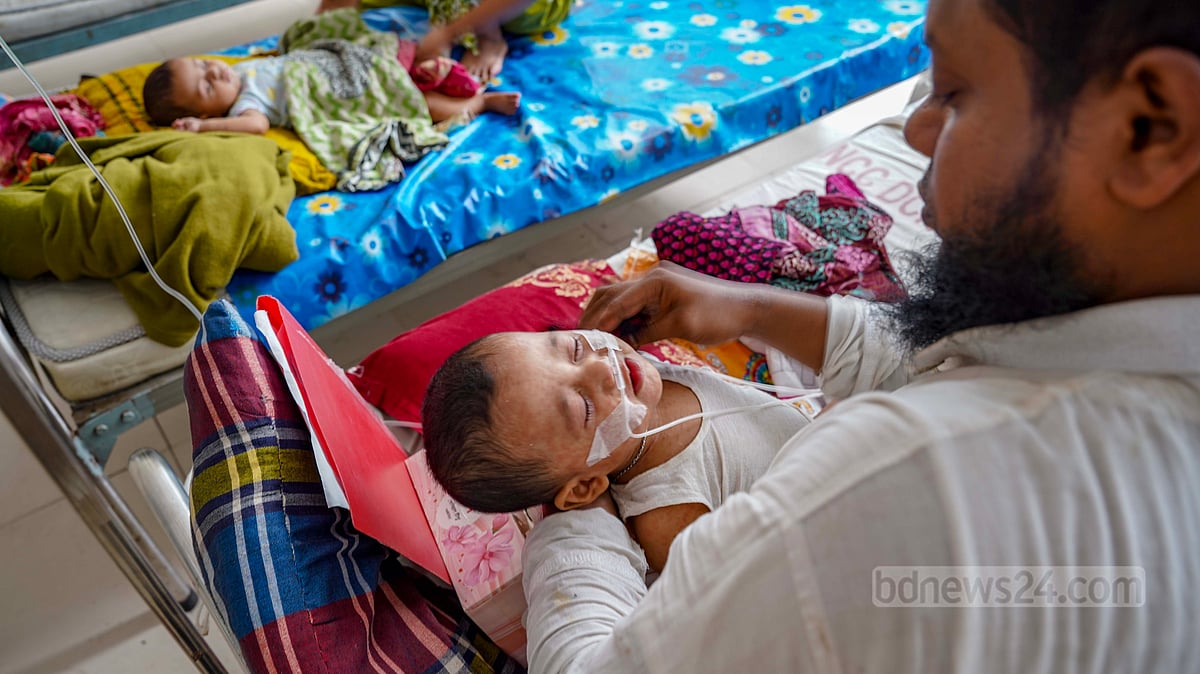
Bangladesh measles outbreak: 677 deaths reported, vaccination efforts continue
Bangladesh is grappling with a severe measles outbreak, with the death toll reaching 677 as of June 20, 2026. The outbreak, which began in March 2026, has seen over 91,000 suspected cases and more than 10,000 confirmed cases. Efforts to contain the spread include a nationwide vaccination campaign, though challenges persist due to vaccination gaps and weakened health infrastructure.
Key Highlights
- Over 677 deaths reported in Bangladesh measles outbreak.
- More than 91,000 suspected measles cases recorded.
- Nationwide vaccination campaign is ongoing.
- Vaccination gaps contribute to the ongoing crisis.
- Health experts warn of potential cross-border spread.
Bangladesh is currently facing one of its most severe measles outbreaks in decades, with the death toll reported to have reached 677 as of June 20, 2026. The outbreak, which began in March 2026, has rapidly spread across the country, affecting nearly all districts and leading to over 91,789 suspected cases and 10,949 confirmed cases. The Directorate General of Health Services (DGHS) reported that in the 24 hours leading up to Saturday morning, June 20, seven more children succumbed to the disease, bringing the total confirmed and suspected deaths to 677. Of these, 93 are confirmed fatalities, while 584 are suspected deaths. The daily surge in cases, with 807 new suspected cases and 80 new confirmed cases reported in the same 24-hour period, indicates the continued escalation of the health crisis [8, 13, 19].
The root causes of this devastating outbreak are multifaceted, stemming from a significant decline in vaccination coverage. Factors contributing to this include disruptions to routine immunization campaigns due to the COVID-19 pandemic in 2020 and a nationwide vaccine shortage and restructuring of the national vaccination system following a change in government in 2024 [5, 6, 15]. The last nationwide measles-rubella (MR) vaccination campaign was held in 2020, further widening immunity gaps [6]. Health experts highlight that the vaccination coverage has not consistently reached the crucial 95% threshold in all areas, and adherence to infection prevention and control measures in healthcare facilities and communities remains inadequate [19]. Misinformation about vaccines has also contributed to parental hesitancy, leading to lower vaccination rates [9].
In response to the crisis, the Bangladeshi government, with support from international organizations like the WHO, UNICEF, and Gavi, launched a massive measles-rubella (MR) vaccination campaign on April 5, 2026. This campaign initially targeted children aged 6 months to 5 years in high-risk areas and has since expanded nationwide, vaccinating approximately 18.5 million children by early June, surpassing the initial target [5, 11]. Despite the intensive vaccination drive, the outbreak persists, with health experts citing possible gaps in vaccination coverage in certain areas and weak infection control measures as contributing factors [13].
The World Health Organization (WHO) has declared the risk at the national level as high due to widespread transmission, a large number of susceptible children, documented immunity gaps, and reported deaths [3]. The WHO has also flagged a cross-border risk of transmission, particularly to neighboring India and Myanmar, due to population mobility and porous borders [3, 12, 15]. Cities with high incidence, such as Jashore and Chapainawabganj, share busy land crossings with India, increasing the risk of introduction across the border [3]. While India has high vaccination coverage, health experts advise vigilance [12, 16].
This outbreak underscores the fragility of immunization gains and the critical need for sustained vaccination efforts. The situation is compounded by the potential for other health risks, such as the onset of the dengue season, which could further endanger children already weakened by measles [13]. The scale of this outbreak highlights a global trend of measles resurgence in countries that were once on the brink of elimination, emphasizing the importance of maintaining high vaccination coverage to prevent such devastating epidemics [7, 15, 20].
Frequently Asked Questions
What is the current death toll from the measles outbreak in Bangladesh?
As of June 20, 2026, the total number of confirmed and suspected deaths from the measles outbreak in Bangladesh has risen to 677. Of these, 93 are confirmed fatalities and 584 are suspected deaths.
How many measles cases have been reported in Bangladesh?
Since March 15, 2026, Bangladesh has recorded a total of 91,789 suspected measles cases and 10,949 confirmed cases. The outbreak is widespread, affecting most of the country's districts.
What are the main reasons for the measles outbreak in Bangladesh?
The outbreak is largely attributed to declining vaccination coverage due to disruptions from the COVID-19 pandemic and a subsequent government restructuring that led to vaccine shortages. Gaps in routine immunization, a lack of recent supplementary vaccination campaigns, and parental hesitancy due to misinformation have also contributed.
What measures are being taken to control the outbreak?
The Bangladeshi government, with support from international organizations like WHO, UNICEF, and Gavi, launched a nationwide measles-rubella vaccination campaign in April 2026. This campaign aims to increase vaccination rates among children and prevent further spread.
Is there a risk of the measles outbreak spreading to neighboring countries like India?
Yes, the World Health Organization has flagged a cross-border risk of transmission due to population movement and porous borders, particularly to India and Myanmar. However, India's high vaccination coverage may limit the impact of any spillover.