Microsoft Bolsters Windows Security for Autonomous AI Agents
Microsoft is fundamentally redesigning its Windows platform security to safely accommodate the rising tide of autonomous AI agents. The strategy introduces Microsoft Execution Containers (MXC) for robust isolation and integrates existing security tools, aiming to build trust and govern AI agents at scale within enterprise environments.
Key Highlights
- Windows is being fortified as a trustworthy OS for AI agents.
- Microsoft Execution Containers (MXC) are central to agent isolation.
- Security pillars include containment, identity, and manageability for AI agents.
- Microsoft 365 services like Defender, Entra, and Purview secure AI agent lifecycle.
- Microsoft employs internal councils to guide responsible AI deployment.
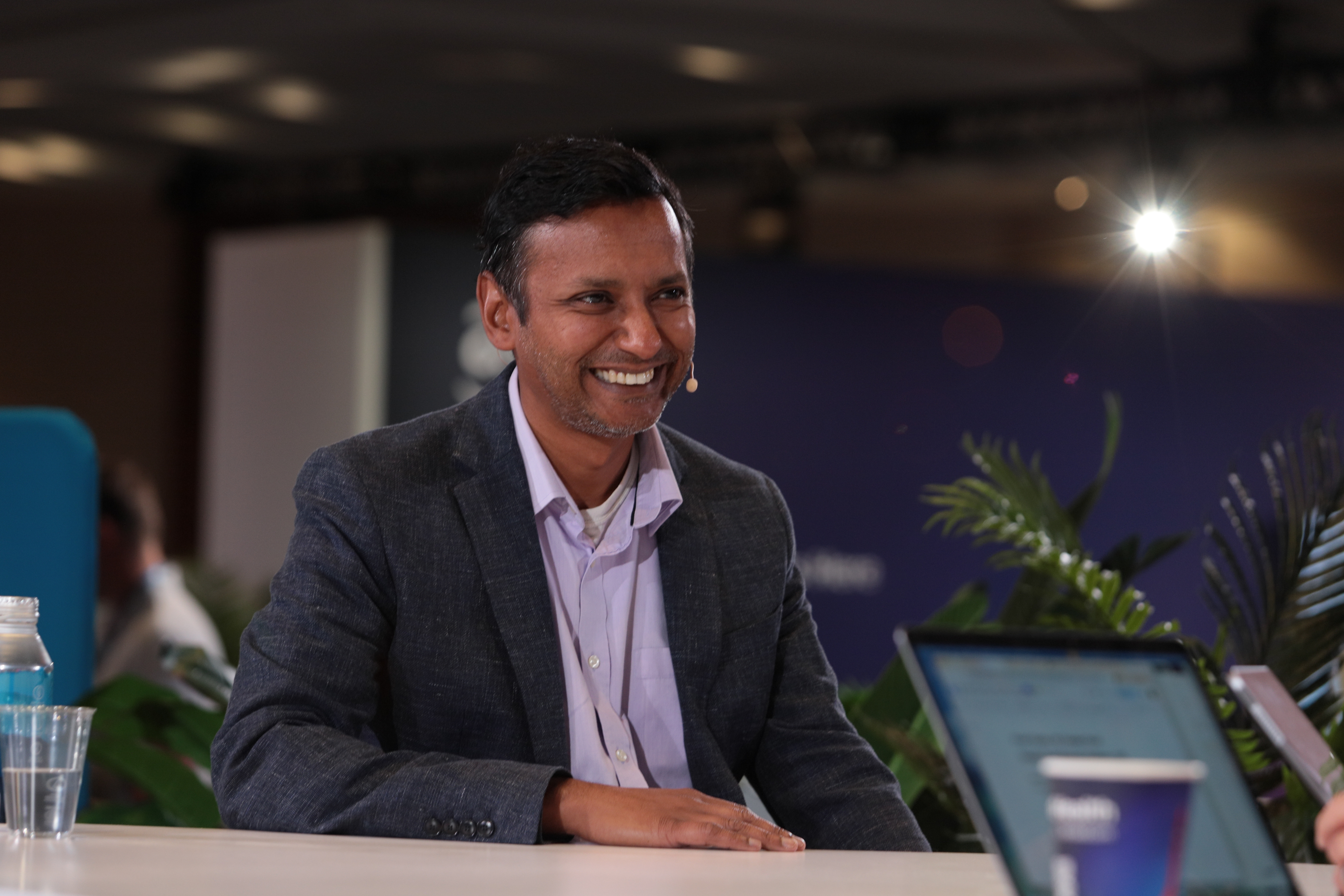
- Jay Parikh leads CoreAI, reshaping Microsoft's software stack for AI-first era.
Microsoft is proactively addressing the evolving security landscape brought about by the proliferation of autonomous AI agents by fundamentally enhancing Windows platform security. The company is positioning Windows as the trustworthy operating system for these agents, which are increasingly taking actions across systems with greater autonomy and introducing new risks to control and trust. This initiative builds on decades of investment in Windows security, continually strengthened under the Secure Future Initiative.
A cornerstone of Microsoft's strategy is the introduction of the Microsoft Execution Containers (MXC) SDK. MXC is described as a policy-driven execution layer for agents on Windows and Windows Subsystem for Linux (WSL), abstracting over lower-level isolation primitives. It allows developers to define what an agent can access, with Windows then employing process and session isolation for containment. Future plans include support for micro-virtual machines for higher-risk tasks and Linux containers for specific toolchains. The goal is to ensure agents can start and remain secure by inheriting a reduced attack surface and a raised security baseline by default.
Beyond technical containment, Microsoft emphasizes identity and manageability as foundational primitives built directly into Windows. This extends security beyond just the application and AI model into the operating system itself. IT teams will be able to manage MXC policies centrally using Microsoft Entra ID and Microsoft Intune. Furthermore, Microsoft Defender and Microsoft Purview are integrated to provide threat protection, observability, and an audit trail of agent behavior. These tools are designed to protect against agent-specific threats like prompt injection, data exfiltration, and the misuse of authorized tools, ensuring consistent data protection across human and agent interactions.
Microsoft's broader commitment to securing AI is also evident in its organizational structure and responsible AI practices. Jay Parikh, Executive Vice President of Microsoft's CoreAI group, is leading a significant overhaul of the company's software development strategy to be AI-first. This involves rebuilding the software stack around AI agents, with a focus on new UI/UX patterns, runtimes for orchestrating multiple agents, and a reimagined management and observability layer.
Internally, Microsoft Digital, the company's IT organization, employs a system of employee councils and connected capability groups to guide and accelerate the deployment and adoption of AI across its enterprise. These councils are crucial for aligning AI initiatives with business goals, reducing duplication, strengthening accountability, and ensuring investments create measurable value. They play a vital role in integrating responsible AI principles – such as inclusiveness, fairness, transparency, reliability, privacy, security, and accountability – into engineering practices, especially when dealing with the potential privacy concerns of AI tools.
Credible sources like the Windows Developer Blog, Microsoft's official blogs, and various tech news outlets corroborate these efforts. The infoq.com article itself, published on June 19, 2026, synthesizes information from Microsoft's announcements, including those made at events like Microsoft Build. It also provides a balanced view by acknowledging that while MXC offers significant advancements, some aspects like macOS support are still experimental, and challenges like overly permissive policies and outbound network filtering need ongoing attention. The need for secure AI agents is highlighted by projections of 1.3 billion agents in businesses by 2028 and the concern of 80% of business leaders about data leaks via AI.
In essence, Microsoft's multi-layered approach to securing AI agents spans platform-level enhancements with MXC, integrated security services, and a comprehensive organizational strategy for responsible AI deployment. This aims to enable organizations to leverage the power of AI agents while maintaining robust security, governance, and trust, extending its existing security model to the emerging agentic era.
Frequently Asked Questions
What are the primary security challenges posed by AI agents?
AI agents introduce new security challenges due to their autonomy, ability to interact with sensitive data, and execution of tasks across multiple systems. Risks include agent sprawl, over-privileged agents, tool misuse through manipulation, misconfigurations, and traditional AI threats like prompt injection and data leakage, which are amplified by the agents' autonomous actions.
How is Microsoft addressing the security of AI agents on the Windows platform?
Microsoft is enhancing Windows platform security by introducing Microsoft Execution Containers (MXC) for robust isolation, enabling agents to operate with dedicated identities, and ensuring least-privilege access. It also integrates existing security services like Microsoft Entra for identity, Microsoft Defender for threat protection, and Microsoft Purview for data governance, all manageable through a centralized control plane.
What is Microsoft Execution Containers (MXC) and its role in AI agent security?
Microsoft Execution Containers (MXC) is a policy-driven execution layer for AI agents on Windows and WSL. It provides a spectrum of isolation mechanisms, including process and session isolation, with future plans for micro-virtual machines and Linux containers. MXC ensures that agents operate within defined boundaries, limiting their access and potential impact, and is managed centrally to enforce security policies.
What is Microsoft's broader strategy for secure AI deployment, beyond just Windows?
Microsoft's broader strategy for secure AI deployment, led by its CoreAI group under Jay Parikh, involves a complete overhaul of the software development lifecycle to be AI-first. This includes building security and trust into the AI stack from day one, reimagining tools for AI development, and leveraging internal employee councils to guide responsible AI adoption, integrating ethical considerations, privacy, and compliance into large-scale deployments.
What role do Microsoft's existing security products play in securing AI agents?
Microsoft's existing security products form a critical defense-in-depth approach for AI agents. Microsoft Entra manages agent identities and access controls, Microsoft Defender provides threat detection and response against malicious agent activity and prompt injection, and Microsoft Purview enforces data security and compliance, ensuring agents honor data sensitivity labels and prevent data loss.