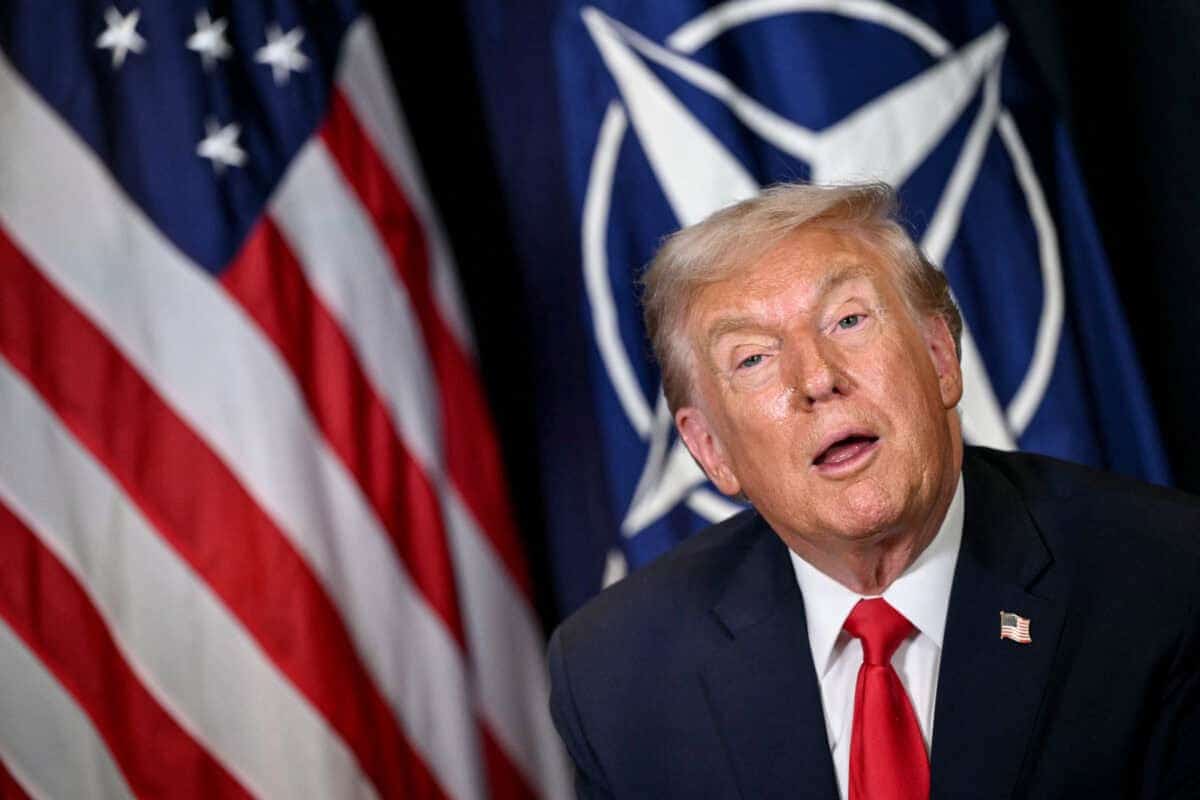
Trump: Iran Oil Seizure an Option Amid Escalating Mideast Tensions
Former U.S. President Donald Trump recently stated that taking control of Iran's oil resources remains an option amidst escalating tensions and ongoing diplomatic efforts between the United States and Iran. This provocative declaration comes during a period of heightened conflict, impacting global oil markets and regional stability.
Key Highlights
- Trump declared taking control of Iran's oil an active option.
- Statement made during ongoing US-Iran-Israel conflict, impacting global oil.
- Iran reportedly allowed tankers through Strait of Hormuz as goodwill.
- Diplomatic efforts are underway, but Iran rejected initial US proposals.
- Trump temporarily paused strikes on Iran's energy infrastructure.
- Global oil prices and shipping in the Strait of Hormuz are affected.
Former U.S. President Donald Trump recently announced that 'taking control of Iran's oil is an option,' a provocative statement made during a period of escalating conflict and delicate diplomatic overtures between the United States and Iran. The declaration, widely reported by major news outlets, underscores the heightened tensions in the Middle East, which have significantly impacted global energy markets and international shipping routes.
The statement was made by Trump on March 26, 2026, amidst what has been described as an intensifying conflict that began around February 28, 2026, involving the United States, Israel, and Iran. During a cabinet meeting, Trump explicitly mentioned the possibility of seizing Iran's oil, drawing comparisons to past U.S. actions in Venezuela. This assertion came as discussions were reportedly underway to de-escalate the situation, which has seen considerable military activity and threats of further strikes.
Adding to the complex narrative, Trump also claimed that Iran was 'begging to make a deal' and that the U.S. was significantly 'ahead of schedule' in its military objectives. As a purported sign of goodwill during these negotiations, Trump stated that Iran had allowed a number of oil tankers – specifically eight, later revised to ten, and claimed to be Pakistani-flagged – to pass through the strategic Strait of Hormuz. The Strait of Hormuz is a critical chokepoint through which a significant portion of the world's oil supply transits, making its security paramount to global energy stability. While Trump presented this as Iran's 'gift,' some reports noted discrepancies regarding the specific number and flagging of the tankers, indicating potential exaggeration in his account.
Despite the aggressive rhetoric, diplomatic channels remain open. U.S. envoy Steve Witkoff reportedly presented Iran with a 15-point framework for a potential peace agreement, conveyed through intermediaries like Pakistan. However, Iranian officials have publicly rejected this proposal, deeming it 'one-sided and unfair' and primarily serving U.S. and Israeli interests. Despite the rejection of the initial proposal, Iranian authorities have stressed that diplomacy has not concluded. This back-and-forth illustrates the challenging nature of finding common ground between the two adversaries.
The ongoing conflict has had tangible economic consequences, particularly for the oil market. Oil prices have experienced significant volatility, sinking after initial reports of de-escalation but remaining sensitive to new developments. The disruption to shipping through the Strait of Hormuz has raised fears of further price surges, with analysts warning of catastrophic implications for the global economy if prices were to reach exceptionally high levels. In an effort to mitigate these impacts, the Trump administration temporarily lifted sanctions on some Iranian oil that was already at sea, a move aimed at increasing global supply and stabilizing prices.
Furthermore, Trump had previously issued ultimatums threatening to 'obliterate' Iran's energy infrastructure, including power plants, if the Strait of Hormuz was not reopened. However, he later announced a pause in these planned strikes, extending a deadline and attributing this decision to the ongoing talks and a direct request from Tehran. This fluctuating stance highlights the unpredictable nature of the conflict and the administration's evolving strategy, which has been criticized for lacking a clear, long-term approach. The global community, including India, which is a major oil importer, watches these developments closely, as continued instability in the Middle East could have far-reaching economic and geopolitical consequences.
Overall, the situation remains highly volatile, characterized by a mix of aggressive threats, diplomatic maneuvers, and significant impacts on international trade and energy prices. Trump's statement about taking control of Iran's oil, while controversial, is a verified part of the complex discourse surrounding this recent escalation.
Frequently Asked Questions
Did Donald Trump actually say that taking control of Iran's oil is an option?
Yes, former U.S. President Donald Trump explicitly stated on March 26, 2026, during a cabinet meeting, that 'taking control of Iran's oil is an option.' This statement was widely reported by numerous news outlets.
What is the context of Trump's statement about Iran's oil?
Trump's statement came amidst an escalating conflict between the United States, Israel, and Iran, which began around late February 2026. Tensions have been high, impacting global oil prices and the security of the Strait of Hormuz.
Are there ongoing negotiations between the US and Iran?
Yes, despite the aggressive rhetoric, diplomatic efforts are underway. The U.S. has reportedly presented Iran with a 15-point peace proposal through intermediaries like Pakistan, although Iran has publicly rejected this initial offer as 'one-sided and unfair.'
How has this situation affected global oil prices?
The ongoing conflict and uncertainty in the Middle East have caused significant volatility in global oil prices. Prices initially dipped on reports of de-escalation but remain susceptible to surges due to disruptions and threats to shipping in the Strait of Hormuz.
What role does the Strait of Hormuz play in this conflict?
The Strait of Hormuz is a vital maritime chokepoint, crucial for global oil shipments. Iran has reportedly restricted or scrutinized vessels, causing disruptions, while Trump highlighted Iran's allowing tankers through the strait as a 'present' during negotiations. Securing this waterway is a top military objective for the US.