Iran Withdraws from US Deal, Threatens Hormuz Blockade Amid Escalating Conflict
Iran has officially withdrawn from a June 2026 interim peace deal with the US, accusing Washington of violations. This follows the US reimposing a naval blockade on Iranian ports and intensifying airstrikes. Tehran vows full control of the Strait of Hormuz, threatening global oil supplies amidst a rapidly escalating conflict.
Key Highlights
- Iran officially withdrew from its interim peace deal with the US.
- The US reimposed a naval blockade on Iranian ports on July 14-15, 2026.
- US intensified airstrikes target Iranian military sites, causing casualties.
- Iran threatens to halt all Middle East energy exports via Strait of Hormuz.
- Oil prices are rising globally due to the escalating tensions.
- Mediation efforts are ongoing but currently stalled amidst the conflict.
The geopolitical landscape in the Middle East has entered a critical phase as Iran formally announced its withdrawal from the June 2026 interim Memorandum of Understanding (MoU) with the United States. Tehran cited repeated violations and the complete dismantling of the agreement by Washington as reasons for its decision. This move follows the United States' reimposition of a naval blockade on Iranian ports and a significant escalation in airstrikes against Iranian military targets across the country.
The interim deal, signed on June 17, 2026, was brokered with the aim of pausing hostilities and establishing a 60-day window for negotiations on a comprehensive peace agreement, which included the crucial reopening of the Strait of Hormuz to commercial shipping and the cessation of the US naval blockade. However, the fragile truce began to unravel quickly. President Donald Trump, on July 8, 2026, declared that the MoU and ceasefire were 'over', marking a definitive end to the brief period of de-escalation. Iran, for its part, also engaged in attacks on commercial vessels in the Strait, further straining the agreement.
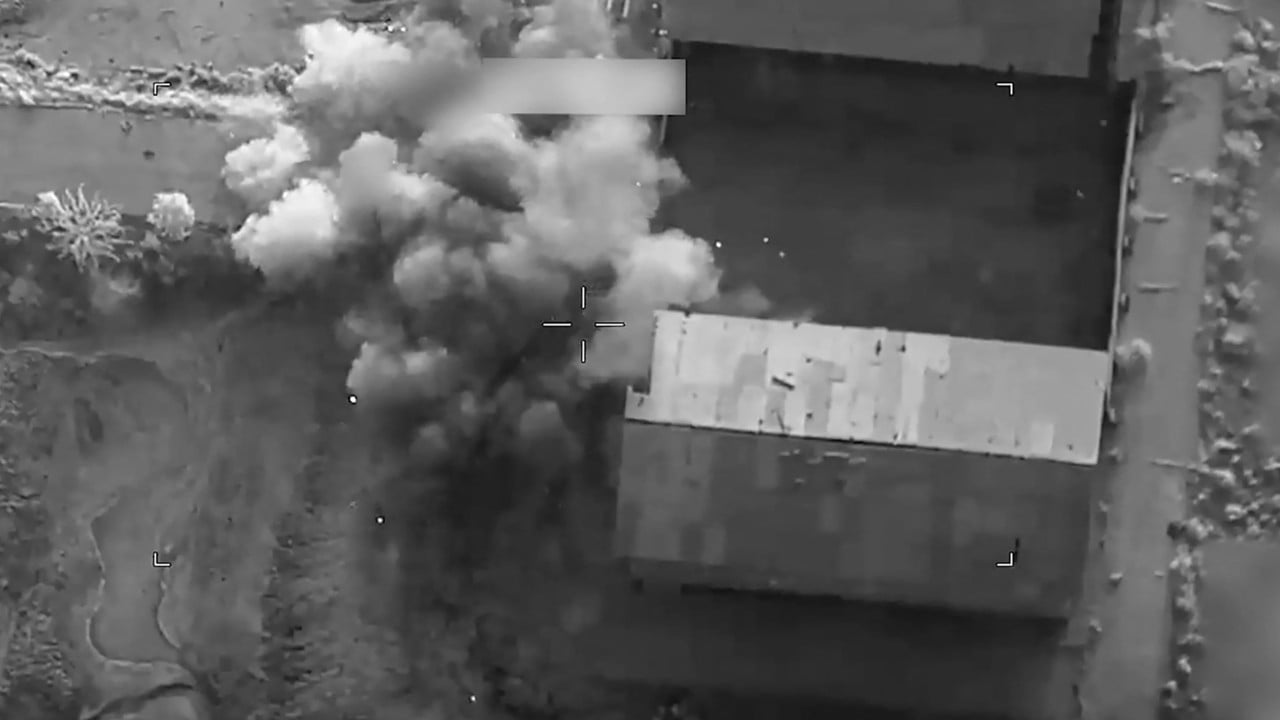
In response to what it described as Tehran's attacks on ships attempting to traverse the Strait of Hormuz, the U.S. reimposed its naval blockade on Iranian ports starting July 14, 2026, with enforcement efforts already diverting commercial vessels. Simultaneously, American forces have launched an intensified campaign of airstrikes. These attacks have targeted a range of Iranian military installations, including command centers, air defense systems, missile and drone capabilities, coastal surveillance facilities, and army barracks. Iranian officials have reported significant casualties, with more than 35 people killed and over 300 wounded in recent U.S. strikes, some of which have extended to areas around Iran's capital, Tehran.
Iran's response has been defiant and stark. Its Foreign Ministry stated that Tehran no longer feels obligated by the truce agreement, asserting that the U.S. actions have effectively 'dismantled' the deal. Furthermore, Iran's paramilitary Revolutionary Guard Corps (IRGC) has issued severe warnings, threatening to halt all energy exports from the Middle East. The IRGC declared, 'The export of oil and gas from the region will be either for everyone or for no one,' underscoring Iran's intent to exert control over the vital waterway. Iranian army spokesman Mohammad Akrami-Nia explicitly stated that the Strait of Hormuz would 'remain closed' until the United States accepts Tehran's conditions, which include bringing the control of the Strait under Iranian authority and complying with the terms of the original framework peace deal.
The Strait of Hormuz is a strategically critical waterway through which approximately a fifth of the world's oil and natural gas trade passes. The escalation of hostilities and Iran's threats to disrupt shipping have already led to a significant slowdown in vessel traffic and a corresponding surge in global crude oil prices, which have approached $86 a barrel. This situation poses a particular challenge to global economies, including India, a major oil importer, which is likely to face an impending oil price hike.
Despite the rapidly deteriorating situation, regional mediators, including Qatar and Pakistan, continue their efforts to de-escalate tensions and bring the U.S. and Iran back to the negotiating table. However, these diplomatic initiatives are currently stalled, with both sides entrenched in their positions. The U.S. has maintained a robust military presence in the region, while Iran has demonstrated its capability to launch retaliatory strikes against U.S. allies, further amplifying the risk of the region tipping back into 'all-out war'.
The current crisis underscores the deep-seated mistrust and conflicting strategic objectives that prevented the success of the earlier MoU. Iran's insistence on its 'invincible red line' regarding the Strait of Hormuz and the U.S.'s determination to ensure freedom of navigation set the stage for continued instability and potential military confrontation.
Frequently Asked Questions
What is the primary reason for the latest escalation between the US and Iran?
The recent escalation stems from Iran's withdrawal from a June 2026 interim peace deal (MoU), citing US violations, and the US reimposition of a naval blockade on Iranian ports in retaliation for Iran's attacks on shipping in the Strait of Hormuz.
How does this conflict impact global oil supplies and prices?
The conflict directly threatens global oil supplies as Iran has vowed to halt all energy exports from the Middle East via the Strait of Hormuz. This vital waterway is crucial for a significant portion of the world's oil and gas trade. Consequently, global crude oil prices have already seen a significant rise.
What is Iran's stance on the Strait of Hormuz?
Iran insists on controlling the Strait of Hormuz, stating it will remain closed until the US accepts Tehran's conditions, including bringing the waterway under Iran's authority. Iran views this as an 'invincible red line'.
What kind of military actions have been reported?
The US has launched intensive airstrikes targeting Iranian military sites, including command centers, air defenses, and army barracks, causing casualties. Iran has responded with threats and reportedly carried out attacks on commercial vessels and potentially US allies in the region.
Are there any ongoing diplomatic efforts to de-escalate the situation?
Despite the breakdown of the interim deal and escalating hostilities, regional mediators like Qatar and Pakistan are still attempting to de-escalate tensions and bring the US and Iran back to negotiations. However, these efforts are currently stalled amidst the intensifying conflict.