India Prioritizes HPV Vaccination, DNA Screening to Combat Cervical Cancer | Quick Digest
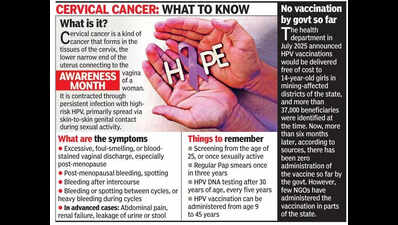
India is intensifying its efforts to eliminate cervical cancer by prioritizing widespread HPV vaccination and advanced DNA-based screening methods. This strategy, backed by government commitment and health experts, aims to significantly reduce the disease's burden on Indian women.
Government emphasizes HPV vaccination for girls aged 9-14 as a national priority.
Indigenous HPV vaccine 'Cervavac' launched in 2023 to aid vaccination efforts.
Focus on high-performance HPV DNA testing, including self-sampling, for improved screening.
Cervical cancer remains a significant health concern, accounting for a large share of global cases.
Challenges include vaccine cost, misinformation, and cultural perceptions.
WHO recommends single-dose HPV vaccination for optimal impact and cost-effectiveness.
India is making a concerted push to eliminate cervical cancer, a significant public health challenge that disproportionately affects women in the country. This strategic initiative, highlighted at India's first national summit on cervical cancer elimination, emphasizes two key pillars: widespread Human Papillomavirus (HPV) vaccination and advanced DNA-based screening. The Indian government, as announced in Budget 2024, is actively encouraging HPV vaccination for girls aged 9 to 14 years, integrating it as a national priority. This effort is supported by the availability of an indigenously produced quadrivalent HPV vaccine, 'Cervavac,' launched in 2023. The plan involves a phased rollout, primarily through schools, targeting adolescent girls to build immunity before exposure to the virus.
Alongside vaccination, there is a strong focus on strengthening screening infrastructure, particularly through high-performance HPV DNA testing, including self-sampling options. Health leaders and organizations like NITI Aayog advocate for pilot projects to demonstrate scalable implementation of these more accurate screening methods across primary healthcare platforms. This marks a shift towards more effective detection compared to older methods like Pap smears. Despite these advancements, challenges such as the cost of vaccines, prevalent misinformation, and cultural perceptions continue to hinder broader uptake, necessitating robust public awareness campaigns and affordable solutions. With cervical cancer being the second most common cancer among Indian women, contributing to a substantial portion of global cases and deaths, these integrated prevention and early detection strategies are crucial for safeguarding women's health nationwide.
Read the full story on Quick Digest