Earth's Perihelion on January 3: Closest Approach to the Sun | Quick Digest
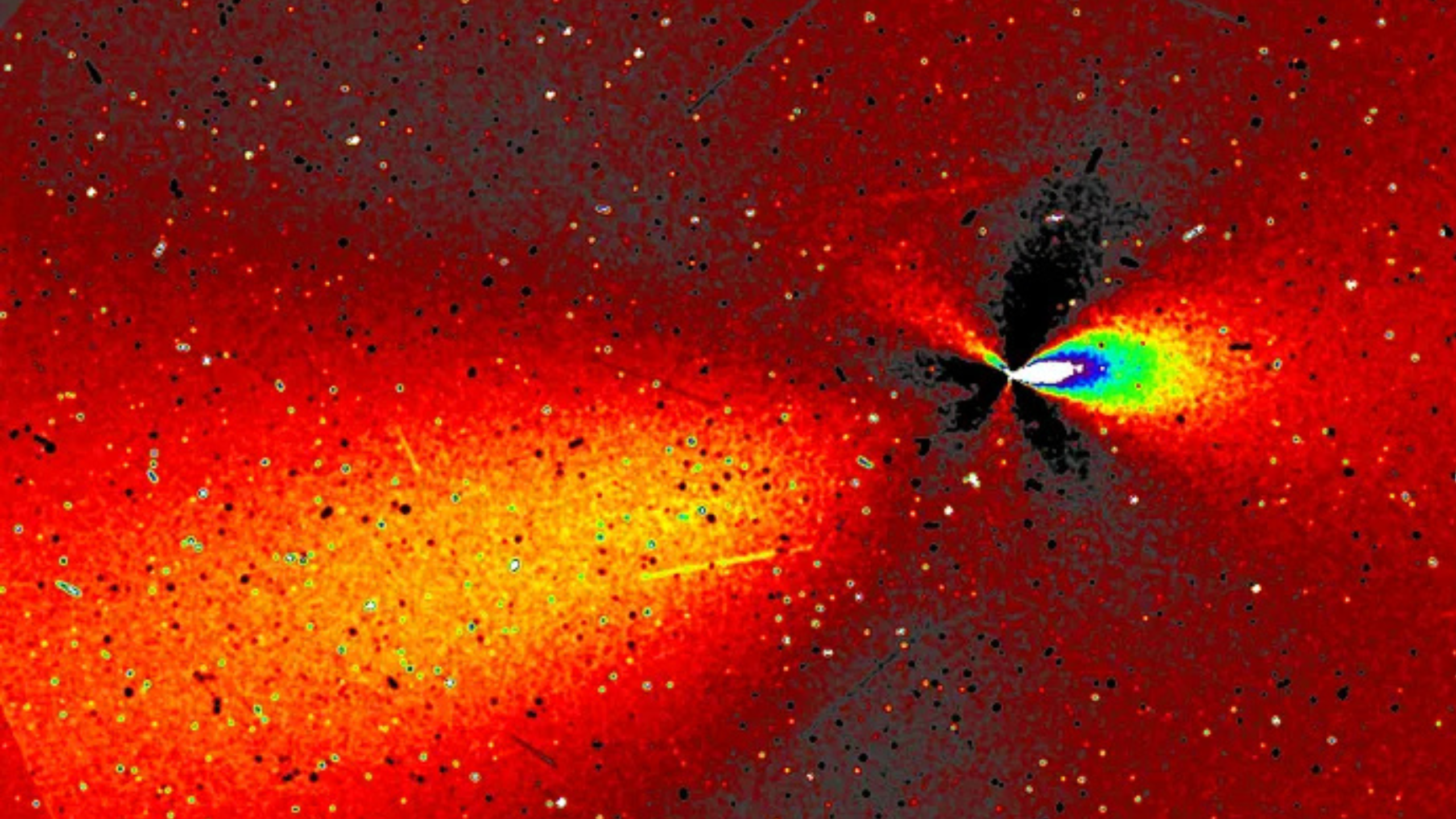
The Earth reached its closest point to the Sun, known as perihelion, on January 3, 2026. This annual astronomical event was confirmed by the Qatar Calendar House, noting Earth was approximately 147 million kilometers from the Sun.
Earth reached perihelion on January 3, 2026, at 17:15 UTC.
This is Earth's closest orbital point to the Sun, approximately 147 million km away.
Qatar Calendar House confirmed the event, clarifying it does not cause seasonal changes.
Seasons are determined by Earth's axial tilt, not distance from the Sun.
The phenomenon is natural and has no negative effects on the planet.
Earth reached its closest point to the Sun, an event known as perihelion, on January 3, 2026. The Qatar Calendar House (QCH) announced that this celestial occurrence took place on the evening of January 3, 2026, which was a Saturday, at approximately 17:15 UTC (12:15 p.m. EST). At this point, our planet was approximately 147 million kilometers (about 91.4 million miles) from the Sun's center, making it about five million kilometers closer than during its farthest point, known as aphelion, which occurs in July.
Dr. Bashir Marzouq, an astronomy expert at the Qatar Calendar House, reiterated that Earth consistently reaches perihelion in early January each year. He further emphasized that this variation in distance from the Sun is not the primary cause of Earth's climatic changes. Instead, the tilting of Earth's axis and the angle at which solar radiation strikes the planet's surface are the main factors influencing seasonal temperatures. For instance, despite being closest to the Sun in January, the Northern Hemisphere experiences winter due to its tilt away from the Sun, resulting in lower temperatures. Conversely, during the Northern Hemisphere's summer in July, Earth is farthest from the Sun, but higher temperatures prevail because the hemisphere is tilted towards the Sun, receiving more direct sunlight. The Qatar Calendar House reassured the public that this annual astronomical phenomenon is entirely natural and poses no negative impact on the inhabitants of Earth, debunking common misconceptions. This event is a fascinating demonstration of Earth's elliptical orbit around the Sun, a fundamental concept in astronomy.
Read the full story on Quick Digest