US, Iran Near Peace Deal Amid Trump's Nuclear Stance and Vatican Tensions
The US and Iran are in active negotiations to end a two-month conflict, with a proposed deal on nuclear enrichment and sanctions. President Trump's firm stance on Iran's nuclear capabilities and his public disagreements with Pope Leo XIV are central to the diplomatic efforts, ahead of Secretary Rubio's Vatican visit.
Key Highlights
- US and Iran in ongoing negotiations to end a two-month war.
- Donald Trump insists Iran 'cannot have a nuclear weapon'.
- Trump criticizes Pope Leo XIV over perceived stance on Iran's nuclear program.
- Secretary of State Marco Rubio to meet Pope Leo XIV amid diplomatic tensions.
- Proposed US-Iran deal includes nuclear moratorium, sanctions relief, and Strait of Hormuz opening.
- Global attention on peace talks and potential de-escalation of regional conflict.
The United States and Iran are engaged in intensified diplomatic efforts aimed at ending a two-month-long conflict that commenced on February 28, 2026, with US and Israeli airstrikes on Iran. These developments unfold as US President Donald Trump, currently serving his non-consecutive second term which began on January 20, 2025, continues to exert pressure on Tehran. Trump has explicitly stated that 'Iran cannot have a nuclear weapon' and has been vocal about his administration's commitment to preventing Iran from acquiring such capabilities.
A key aspect of the unfolding narrative involves a rare public disagreement between President Trump and Pope Leo XIV, who is identified as the first American pontiff. Trump has repeatedly accused Pope Leo XIV of being lenient on Iran or even suggesting that the Pope believes it is 'fine for Iran to have a nuclear weapon.' The Vatican and Pope Leo XIV have, however, consistently refuted these claims, asserting the Pope's long-standing position against nuclear proliferation and for global disarmament.
Amidst these verbal exchanges, US Secretary of State Marco Rubio is scheduled to meet with Pope Leo XIV at the Vatican on May 7, 2026. This meeting is widely viewed as a diplomatic effort to address the strained relations between the White House and the Holy See, particularly in light of the ongoing US-Iran conflict and Trump's criticisms of the Pope's stance on global peace and the Iran war. Rubio's agenda is expected to include discussions on the Middle East situation and mutual interests.
Negotiations to end the conflict are currently in progress, both directly and indirectly, with US envoys Steve Witkoff and Jared Kushner leading the American team. A one-page, 14-point memorandum of understanding (MOU) is being considered, which outlines a framework for de-escalation. The proposed deal reportedly includes a moratorium on Iranian nuclear enrichment, the lifting of US sanctions against Tehran, and the release of billions in frozen Iranian funds. Additionally, the agreement aims to ease restrictions on transit through the Strait of Hormuz, a critical maritime route that has been largely closed since March 2026, significantly impacting global oil shipments.
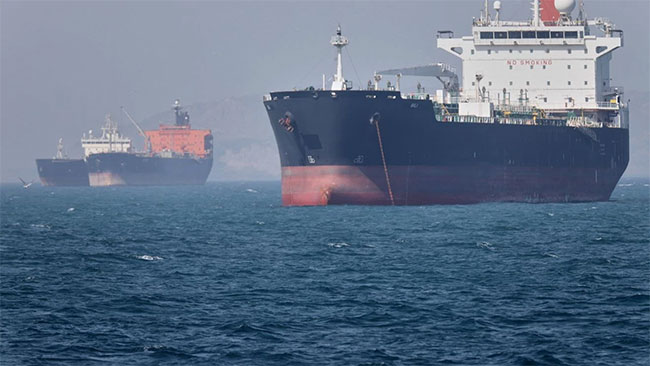
While President Trump has expressed optimism about the talks, stating that a deal is 'very possible' and could be 'over quickly,' Iranian officials have offered a more cautious outlook, with some describing the US proposal as an 'American wish list' rather than a definitive agreement. A fragile ceasefire has been in place since April 8, 2026, but Trump has issued stark warnings that if Iran does not agree to the terms, military action, including bombing, could resume at a 'much higher level and intensity.' The ongoing tensions have also seen the US military fire on an Iranian oil tanker attempting to breach an American blockade in the Gulf of Oman, highlighting the precarious nature of the current ceasefire.
The negotiations, mediated in part by Pakistan, are complex and highly technical, covering Iran's nuclear and ballistic missile programs, as well as the immediate cessation of hostilities. The international community, including India, is closely monitoring these developments due to the potential for significant geopolitical and economic repercussions, particularly concerning energy prices and global trade routes like the Strait of Hormuz. The outcome of these talks will profoundly shape the future of US-Iran relations and stability in the Middle East.
Frequently Asked Questions
Is there a full-scale war between the US and Iran currently ongoing?
Yes, a war between the United States and Iran, also involving Israel, began on February 28, 2026. While a fragile ceasefire has been in place since April 8, 2026, diplomatic efforts are actively underway to negotiate a lasting peace deal.
Who is Pope Leo XIV and what is his stance on Iran's nuclear weapons?
Pope Leo XIV is described in these reports as the first American pontiff, serving as Pope in May 2026. He has consistently advocated for global nuclear disarmament and has condemned the use and possession of nuclear weapons. Despite President Trump's accusations, Pope Leo XIV has never stated that Iran should be allowed to have nuclear weapons.
What are the key points of the proposed peace deal between the US and Iran?
The proposed deal, currently outlined in a 14-point memorandum, includes a moratorium on Iran's uranium enrichment activities, the lifting of US sanctions, the release of frozen Iranian funds, and the reopening of the Strait of Hormuz for international shipping.
How does the conflict affect global trade and oil prices?
The conflict has led to the effective closure of the Strait of Hormuz, a critical waterway for global oil shipments, since early March 2026. This disruption has significantly impacted global energy prices and created concerns about potential fuel shortages and economic instability worldwide.
When did Donald Trump's current presidency begin?
Donald Trump was elected to a non-consecutive second term in 2024 and was inaugurated as the 47th President of the United States on January 20, 2025.