ISRO's PSLV-C62 Mission Fails: Third-Stage Anomaly Halts India's Workhorse Rocket | Quick Digest
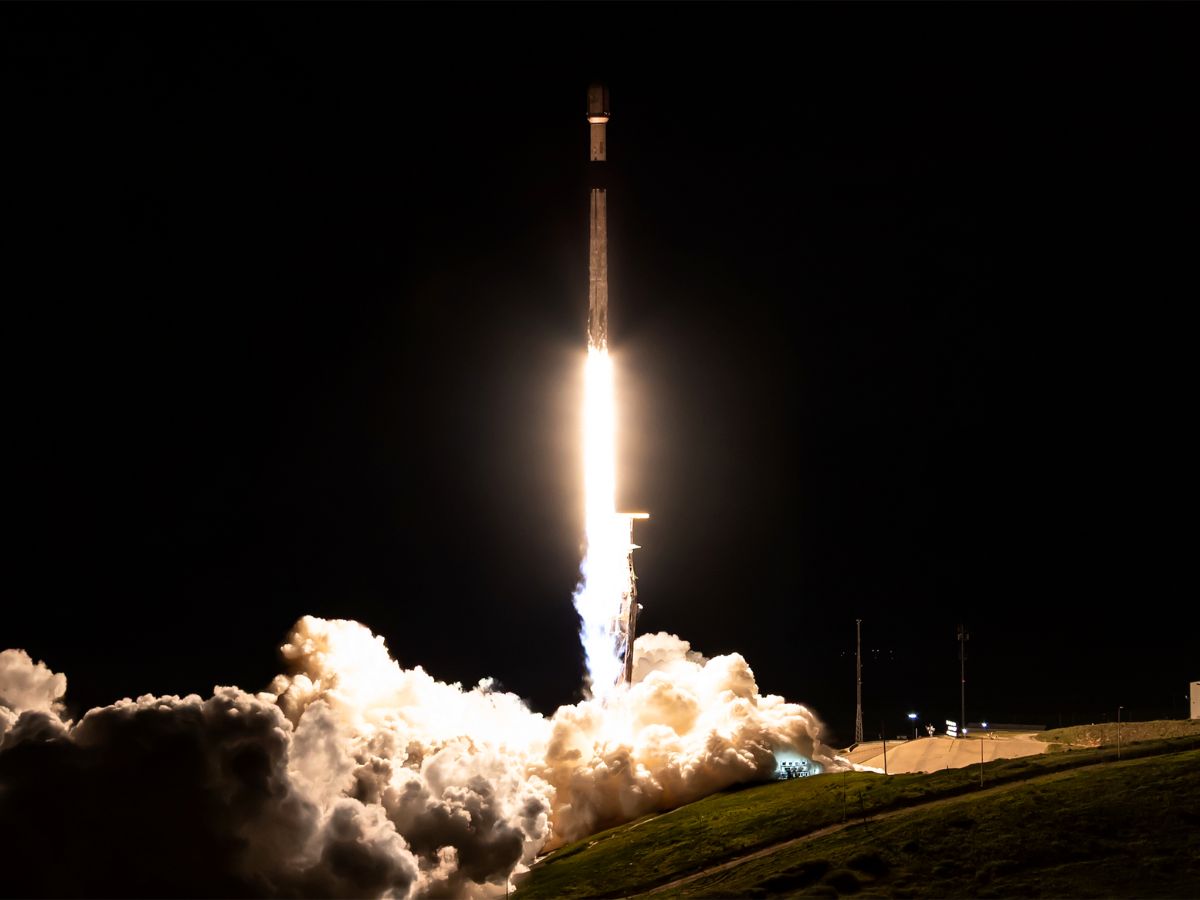
ISRO's PSLV-C62 mission, launched on January 12, 2026, failed to deploy its satellites due to a third-stage anomaly. This marks the second consecutive failure for the PSLV, raising significant concerns for India's space program and its commercial ambitions.
PSLV-C62 mission failed on January 12, 2026, due to a third-stage anomaly.
Primary payload, EOS-N1 defense satellite, and 15 co-passengers were lost.
Second consecutive PSLV failure after PSLV-C61 in May 2025.
Anomaly involved 'disturbance in vehicle roll rates' during the third stage.
PSLV launches are grounded pending investigation into recurring issues.
Concerns raised about ISRO's quality assurance, transparency, and commercial credibility.
The Indian Space Research Organisation's (ISRO) PSLV-C62 mission, launched on January 12, 2026, from Sriharikota, tragically failed to achieve its intended orbit, resulting in the loss of all payloads. The mission encountered a critical anomaly near the end of its third stage, characterized by an increased 'disturbance in the vehicle roll rates' and a subsequent deviation in its flight path. This incident marks a significant setback as it is the second consecutive failure for the Polar Satellite Launch Vehicle (PSLV), often hailed as ISRO's reliable 'workhorse.' The previous mission, PSLV-C61 in May 2025, also suffered a third-stage failure due to a reported drop in chamber pressure.
The PSLV-C62 carried the crucial EOS-N1 (Anvesha) Earth observation satellite, developed for the Defence Research and Development Organisation (DRDO) for strategic purposes, along with 15 co-passenger satellites from various domestic and international clients. While most payloads were lost, the Spanish Kestrel Initial Demonstrator (KID) re-entry capsule, designed to fall back from orbit, managed to separate and transmit data for a brief period during its non-nominal descent.
ISRO Chairman V. Narayanan confirmed the anomaly, stating that a detailed analysis has been initiated. The repeated failures, particularly within eight months and affecting the same critical third stage, have raised serious questions about ISRO's quality assurance protocols, manufacturing processes, and the transparency surrounding the Failure Analysis Committee reports, as the C61 report was not made public. The grounding of all PSLV missions pending investigation is expected to impact ISRO's ambitious launch schedule and its commercial arm, NewSpace India Limited (NSIL), potentially affecting international confidence and insurance premiums in the competitive global launch market. This situation presents a formidable challenge for India's space aspirations.
Read the full story on Quick Digest