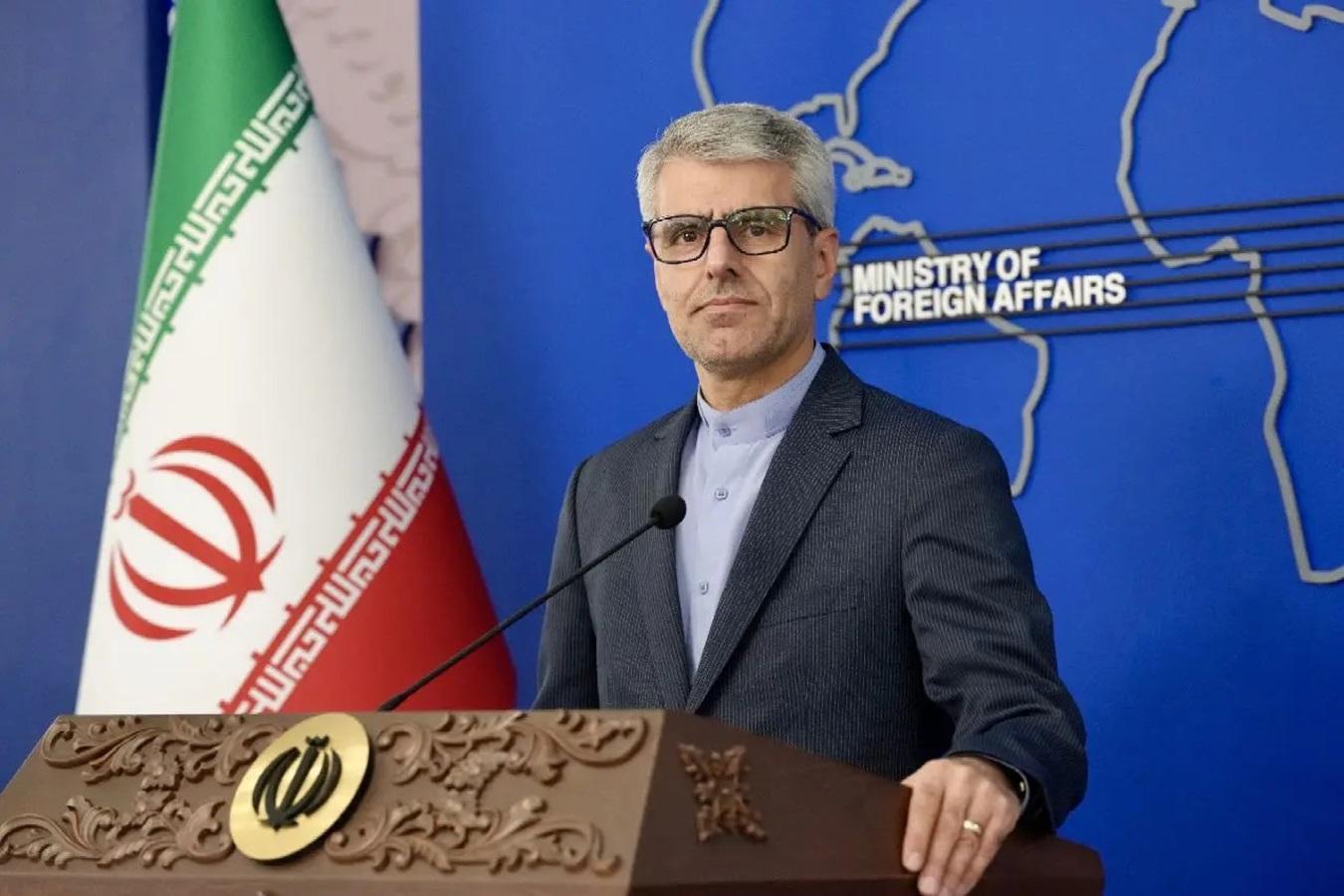
US Envoys in Qatar for Indirect Iran Talks Amidst West Asia Tensions
US envoys Steve Witkoff and Jared Kushner arrived in Doha for mediated talks with Qatari officials regarding regional issues and negotiations with Iran. Qatar confirmed that no direct US-Iran meetings would take place, despite earlier conflicting statements, as discussions focus on an initial peace deal and frozen assets.
Key Highlights
- US envoys Witkoff, Kushner met Qatari mediators in Doha.
- Qatar confirmed no direct US-Iran high-level talks were scheduled.
- Discussions focus on regional stability, Iran deal, and frozen assets.
- Iran denied direct talks, sending a technical delegation to Qatar.
- Talks aim to implement an initial memorandum of understanding.
- Strait of Hormuz navigation and frozen funds remain key contentious issues.
US envoys Steve Witkoff, President Donald Trump's special Middle East envoy, and Jared Kushner, his son-in-law, arrived in Doha, Qatar, for meetings with Qatari mediators to discuss various regional issues, including negotiations with Iran. This development comes amid ongoing tensions referred to as the 'West Asia war,' a regional conflict with recent escalations in the Persian Gulf, particularly concerning the Strait of Hormuz.
Crucially, Qatar's Foreign Ministry spokesperson, Majed Al Ansari, clarified that no high-level or direct meetings between US and Iranian officials were scheduled to take place in Doha in the coming days. This statement countered an earlier claim by US President Donald Trump, who had suggested that Iran had requested a direct meeting. Iran, too, explicitly denied any plans for direct negotiations with the American side at any level, stating that its technical delegation was in Doha to discuss the implementation of an existing memorandum of understanding (MOU) with Qatari officials.
The discussions in Doha are considered 'technical talks,' with mediators acting as go-betweens for the US and Iranian delegations. These indirect negotiations are part of broader efforts to secure a more permanent peace in the Middle East following an interim agreement signed earlier this month, which aimed to end the conflict and reopen the strategically vital Strait of Hormuz to shipping traffic. However, the preliminary deal has faced repeated strain due to recent clashes and contradictory assertions from both sides.
One of the central topics of these mediated talks is the issue of frozen Iranian assets, specifically an estimated $6 billion. While Iranian President Masoud Pezeshkian had indicated that Qatar planned to release these funds, Qatari officials have clarified that the funds remain frozen and their release is contingent upon progress in the ongoing negotiations. Iran's delegation intends to discuss the modalities of accessing these unfrozen funds with the Qatari side.
Another critical point of contention is the Strait of Hormuz, a key chokepoint for global oil and liquefied natural gas trade. Recent military exchanges in the Persian Gulf, including US strikes on Iranian targets and Iranian responses, have complicated efforts to ensure freedom of navigation through the strait. Iran insists on maintaining control over commercial oil tanker traffic and has even hinted at introducing transit fees, a proposal opposed by the US, European countries, and most Arab Gulf states. Qatar, in coordination with Oman, is working to safeguard commercial shipping, emphasizing freedom of navigation as a top priority.
Beyond these specific issues, the US envoys' discussions with Qatari officials also encompass other regional matters, including the situation in Lebanon. Technical consultations between the US and Iran are progressing, covering various tracks such as nuclear issues, economic performance, and regional security. Despite the diplomatic efforts, the slow pace of progress, particularly on the nuclear program talks that were given a 60-day deadline from June 17, is causing alarm among some diplomats. The US and Iran had agreed to an immediate cessation of mutual attacks after a period of intense hostilities, allowing for these technical discussions to continue.
For an Indian audience, the developments in West Asia are of significant importance. The stability of the Middle East directly impacts India's energy security, given its substantial reliance on oil and gas imports from the region. Furthermore, the presence of a large Indian diaspora in Gulf countries means that regional conflicts and political instability can have direct repercussions on Indian citizens and remittances. The freedom of navigation through vital shipping lanes like the Strait of Hormuz is also crucial for global trade, affecting India's economic interests. Therefore, these diplomatic efforts, even if indirect, to de-escalate tensions and foster peace are closely watched in India. The current scenario highlights the delicate nature of diplomacy and the ongoing challenges in achieving a lasting peace in a volatile region.
In summary, the presence of US envoys and Iranian delegations in Doha signifies continued, albeit indirect, diplomatic engagement mediated by Qatar to address the implementation of an initial peace agreement, the release of frozen assets, and regional stability, particularly concerning the Strait of Hormuz, amidst persistent tensions and conflicting narratives.
Frequently Asked Questions
What is the primary purpose of the US and Iranian delegations being in Qatar?
The US envoys, Steve Witkoff and Jared Kushner, are in Qatar to meet with Qatari mediators to discuss regional issues and the implementation of an initial peace deal with Iran. Iran has also sent a technical delegation to discuss the memorandum of understanding, particularly concerning the release of frozen Iranian assets, with Qatari officials.
Are the United States and Iran holding direct talks in Doha?
No, Qatar's Foreign Ministry has explicitly stated that no direct or high-level meetings between US and Iranian officials are scheduled in Doha. The discussions are indirect, with Qatari mediators acting as intermediaries between the two sides.
What are the key issues being discussed in these mediated negotiations?
The main topics include the implementation of a preliminary peace agreement to end the 'West Asia war,' the status and release of approximately $6 billion in frozen Iranian assets, and the crucial issue of freedom of navigation and control over the Strait of Hormuz. Broader regional stability, including the situation in Lebanon, and a nuclear track are also part of the technical discussions.
Who are Steve Witkoff and Jared Kushner?
Steve Witkoff is the US President Donald Trump's special Middle East envoy, and Jared Kushner is President Trump's son-in-law. Both are representing the US in these high-level discussions with mediators in Qatar.
Why is the Strait of Hormuz so critical in these negotiations?
The Strait of Hormuz is a vital global chokepoint through which a significant portion of the world's oil and liquefied natural gas passes. Recent clashes and Iran's assertions of control, including potential transit fees, have heightened tensions, making freedom of navigation and security in the Strait a critical and contentious point in efforts to achieve regional stability and implement the peace deal.