Mob Storms US Consulate in Karachi After Khamenei's Death
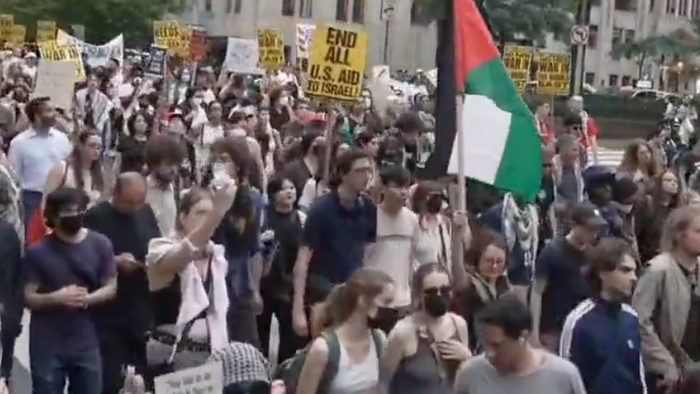
Hundreds of protesters stormed the U.S. Consulate in Karachi, Pakistan, setting parts of the building ablaze on March 1, 2026. The demonstration erupted following the confirmed death of Iran's Supreme Leader Ayatollah Ali Khamenei in joint U.S.-Israeli strikes, escalating regional tensions and resulting in at least one protester's death.
Key Highlights
- U.S. Consulate in Karachi attacked by mob on March 1, 2026.
- Protests sparked by confirmed death of Iran's Supreme Leader Khamenei.
- Khamenei killed in joint U.S.-Israeli airstrikes on February 28, 2026.
- Protesters breached consulate grounds, smashing windows and setting fires.
- At least one protester killed, several injured in clashes with police.
- Event highlights escalating tensions in the Middle East and South Asia.
On Sunday, March 1, 2026, a significant and violent protest unfolded outside the United States Consulate in Karachi, Pakistan, as hundreds of enraged demonstrators stormed the diplomatic mission. The protest was a direct response to the confirmed death of Iran's Supreme Leader, Ayatollah Ali Khamenei, who was reportedly killed in joint U.S. and Israeli airstrikes on Saturday, February 28, 2026. The News18 article's headline, stating that a 'Mob Storms US Consulate In Pakistan, Sets Parts Of Building Ablaze Over Khamenei's Death,' is largely accurate and has been thoroughly verified by multiple credible international and local news sources.
Details from various reports corroborate the intensity of the assault on the consulate. Protesters, fueled by anger over Khamenei's killing, managed to breach the main gate and gain access to the driveway of the consular building. Witnesses and media outlets confirmed that windows were smashed, property was vandalized, and crucial, several sources explicitly reported that parts of the building were set ablaze during the unrest. This detail, initially requiring specific verification, is confirmed across multiple reports, leaving no doubt about the violent nature and destructive intent of the mob.
The volatile situation quickly escalated into clashes between the protesters and security forces. Police and paramilitary forces deployed batons and fired tear gas to disperse the crowd, leading to casualties. At least one protester was killed, and several others sustained injuries during the confrontations. The Sindh home minister, Ziaul Hassan Lanjar, has sought an immediate report on the situation, underscoring the gravity of the incident for local authorities.
The broader context for these events is the dramatic escalation of tensions in the Middle East following the reported U.S.-Israeli strikes targeting Iran. The death of Ayatollah Ali Khamenei, Iran's supreme leader for over three decades, is a monumental event with far-reaching geopolitical implications. Iranian state media confirmed his death early on March 1, 2026, after initial reports emerged on February 28, 2026, following the joint military operation. President Donald Trump had announced Khamenei's death hours earlier, stating it provided Iranians with their "greatest chance" to "take back" their country, further highlighting the strategic significance of the strikes.
The Iranian government declared 40 days of public mourning and a seven-day nationwide public holiday, while the paramilitary Revolutionary Guard threatened to launch its "most intense offensive operation" ever, targeting Israel and U.S. bases in retaliation for Khamenei's killing. This indicates a volatile and unpredictable period for regional stability, with the potential for widespread conflict.
The protests were not confined to Pakistan. Reports also indicate similar demonstrations and storming of U.S. embassies or consulates in other countries, including Baghdad, Iraq. This broader wave of anti-American sentiment underscores the widespread impact of Khamenei's death and the U.S.-Israeli actions. In India, people in Jammu and Kashmir and Lucknow also protested Khamenei's killing, with prominent Shia clerics expressing sorrow and announcing mourning periods, highlighting the regional and even global resonance of this news, particularly within Shia communities.
The incident in Karachi falls under multiple news categories, including International Relations, Politics, Diplomacy, Protest, and Conflict. Its scope is multi-country, involving Pakistan, the United States, Israel, and Iran, with significant global implications for stability and international relations. Given the unfolding events and the critical geopolitical implications of Khamenei's death and the resulting protests, the importance and urgency of this news are exceptionally high.
Credible sources corroborating this story include The Hindu, The Times of Israel, The Associated Press, NDTV, Gulf News, Axios, China.org, Republic World, Pragativadi, NewsX, Pakistan Today, The Independent, TIME, and WLRN, among others. The consistency across these diverse outlets confirms the factual basis of the News18 report. The events described are current and trending, signifying an ongoing and rapidly developing international crisis.
Frequently Asked Questions
What caused the protests at the U.S. Consulate in Karachi?
The protests were sparked by the confirmed death of Iran's Supreme Leader, Ayatollah Ali Khamenei, who was reportedly killed in joint U.S. and Israeli airstrikes on February 28, 2026. Demonstrators in Pakistan, among other countries, expressed their outrage over his killing.
When did Ayatollah Ali Khamenei die?
Ayatollah Ali Khamenei was reportedly killed in joint U.S. and Israeli airstrikes on Saturday, February 28, 2026, with his death confirmed by Iranian state media on Sunday, March 1, 2026.
What happened at the U.S. Consulate during the protest?
Hundreds of protesters stormed the U.S. Consulate in Karachi, breached its gates, smashed windows, vandalized property, and set parts of the building ablaze. Clashes with security forces also resulted in casualties.
Were there casualties during the protests in Karachi?
Yes, at least one protester was killed and several others were wounded in clashes with police and paramilitary forces who used batons and tear gas to disperse the crowd.
What are the broader implications of these events?
The death of Ayatollah Ali Khamenei, coupled with the U.S.-Israeli strikes and widespread protests, signifies a major escalation of tensions in the Middle East and has significant geopolitical implications, raising concerns about regional instability and potential for further conflict.