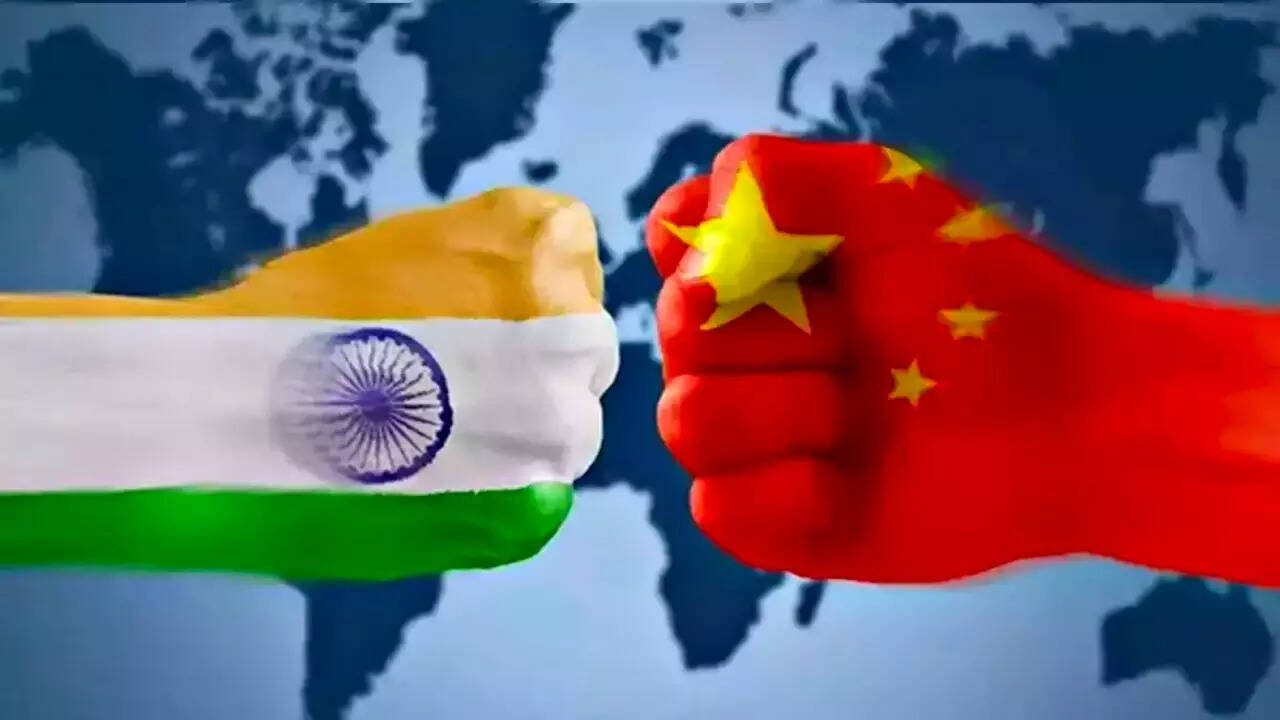
Chinese Envoy Xu Feihong Advocates Stronger India-China Ties, Slams US Hegemony
Chinese Ambassador to India, Xu Feihong, emphasized that India and China are inseparable neighbors who should foster cooperation and mutual understanding. He cautioned against external forces that amplify differences and promote a 'China threat' narrative, while asserting that both nations' development is self-driven. His remarks advocate for enhanced collaboration, particularly within the Global South and multilateral platforms like BRICS and SCO.
Key Highlights
- Chinese envoy stresses India, China as inseparable neighbors and partners.
- Xu Feihong criticizes US for 'China threat' narrative and protectionism.
- Calls for India-China cooperation within Global South, BRICS, SCO.
- Emphasizes self-reliance in development, not 'others' generosity'.
- Urges youth to foster objective, rational views between nations.
- Remarks come amid cautious thaw in India-China relations.
Chinese Ambassador to India, Xu Feihong, recently articulated a vision for robust bilateral relations, stating unequivocally that India and China are 'neighbours that cannot be moved apart.' During the India-China Youth Dialogue held on Thursday, March 26, 2026, Ambassador Xu emphasized that the natural choice for both nations is to operate as 'good, neighbourly friends and partners that help each other succeed and realise the Dragon-Elephant tango.'
A significant aspect of his address was a thinly veiled critique of the United States. Xu Feihong took a clear 'swipe at the US,' linking his remarks to earlier comments made by US Deputy Secretary of State Christopher Landau. Landau had suggested that Washington would avoid repeating past mistakes made with China, which allowed Beijing to emerge as a rival to the US. In response, Ambassador Xu asserted that the 'remarkable development' achieved by both India and China is a testament to the 'hard work and wisdom of our own people, supported by global cooperation, and are by no means the result of others' generosity.' This statement firmly underscored Beijing's position on national sovereignty in development and served as a retort to perceived external condescension or attempts to dictate their growth trajectories.
Furthermore, the Chinese envoy cautioned against unnamed external forces, stating that 'some people were unwilling to see the two countries live in harmony.' He accused these entities of deliberately 'amplifying differences, hyping up the so-called China threat, and hoping to profit from discord between our two countries.' This narrative aligns with China's broader diplomatic strategy of pushing back against what it perceives as containment efforts, particularly from Western powers. Xu Feihong urged young people in both countries to 'think independently and step out of the information cocoon' to cultivate a 'more objective and rational understanding' between the two peoples.
The ambassador also highlighted the importance of India and China's roles as prominent members of the Global South. He advocated for strengthened communication and coordination between them to 'jointly safeguard the legitimate rights and interests of developing countries, and lead the Global South toward greater development.' This call for solidarity resonated with China's consistent push for a multipolar world order, where developing nations have a more significant voice. He explicitly encouraged the youth to actively participate in multilateral frameworks such as BRICS (Brazil, Russia, India, China, and South Africa) and the Shanghai Cooperation Organisation (SCO), viewing these platforms as crucial for fostering China-India cooperation in the multilateral arena and contributing to global peace and stability.
Xu Feihong's statements are part of a broader diplomatic offensive from Beijing aimed at recalibrating and improving relations with India, which have been severely strained since the deadly military standoff in the Galwan Valley in 2020. While the border issue remains a complex 'legacy of history,' Beijing's consistent stance, as reiterated by Xu Feihong and other Chinese officials like Foreign Minister Wang Yi, is that it 'should not define the overall relationship' between the two nations or 'impede comprehensive cooperation.' However, India has maintained that normalcy in bilateral relations is contingent upon peace and tranquility along the Line of Actual Control (LAC).
Foreign Minister Wang Yi's remarks on the same day (March 26, 2026) further corroborated this diplomatic overture, stating that India-China relations have embarked on a 'correct path' of improvement and development, with shared interests significantly outweighing differences. He emphasized that both countries should view each other as 'development opportunities rather than threats' and as 'partners rather than competitors.' These synchronized statements indicate a concerted effort from the Chinese leadership to de-escalate tensions and promote cooperation, even as underlying issues persist.
The context of the related articles further enriches this understanding. 'Willing to work with India for 'common interests' in Global South, BRICS: China' from The Hindu and 'India-China ties on 'correct path', shared interests outweigh differences: Wang Yi' from Telegraph India (both dated March 26, 2026) directly align with and corroborate Ambassador Xu's message of cooperation and shared global responsibilities. Similarly, 'India, China Can Work Together Over Innovations: Chinese Envoy' from NDTV and 'Chinese Envoy Cautions Against China Threat Narrative, Says India Ties Entering New Phase' from TheWire.in highlight specific areas of potential collaboration and the caution against negative narratives, reinforcing the veracity of the primary article's claims.
This diplomatic push comes at a time when there are indeed signs of a cautious thaw in India-China relations. High-level engagements have occurred, including meetings between Prime Minister Narendra Modi and President Xi Jinping at the BRICS summit in Kazan (2024) and the SCO summit in Tianjin (2025). Efforts have also been made to restore flights, visas, and other bilateral mechanisms that were frozen during the standoff. India recently appointed Vikram K Doraiswami as its new Ambassador to China (March 19, 2026), placing an experienced diplomat in Beijing, which further signifies India's commitment to maintaining dialogue despite the complexities.
In essence, Ambassador Xu Feihong's statements reflect a strategic attempt by China to portray a positive and cooperative future for India-China relations, while simultaneously pushing back against perceived Western interference and emphasizing their shared interests as developing nations. The article accurately captures these diplomatic nuances and the ongoing efforts to navigate the intricate relationship between the two Asian giants.
Frequently Asked Questions
Who is Xu Feihong and what was the main message he conveyed?
Xu Feihong is the Chinese Ambassador to India. His main message was that India and China are inseparable neighbors who should work together as good friends and partners. He emphasized cooperation, particularly in multilateral forums like BRICS and SCO, and pushed back against narratives that amplify differences or promote a 'China threat' narrative.
What was the Chinese envoy's stance on the US and its influence on India-China relations?
Ambassador Xu Feihong implicitly criticized the US, stating that the development of India and China comes from their own efforts, not 'others' generosity.' He accused external forces of deliberately amplifying differences and hyping up the 'China threat' to profit from discord between the two Asian nations.
What is the current state of India-China relations according to Chinese diplomatic statements?
According to Chinese diplomatic statements, including those from Ambassador Xu Feihong and Foreign Minister Wang Yi, India-China relations are on a 'correct path' of improvement, and their shared interests outweigh their differences. They advocate for managing differences through dialogue and not letting the border issue define the overall relationship, despite ongoing complexities.
Why is cooperation between India and China important for the Global South?
Ambassador Xu Feihong highlighted that as important members of the Global South, China and India should strengthen communication and coordination to jointly safeguard the legitimate rights and interests of developing countries. He believes their cooperation can lead the Global South toward greater development and counter unilateralism and protectionism.
What role did the Chinese envoy assign to the youth in fostering India-China relations?
The Chinese envoy urged the youth to think independently, step out of 'information cocoons,' and help build a more objective and rational understanding between the Indian and Chinese peoples. He also encouraged their active participation in multilateral frameworks like BRICS and SCO to contribute to bilateral cooperation and world peace.