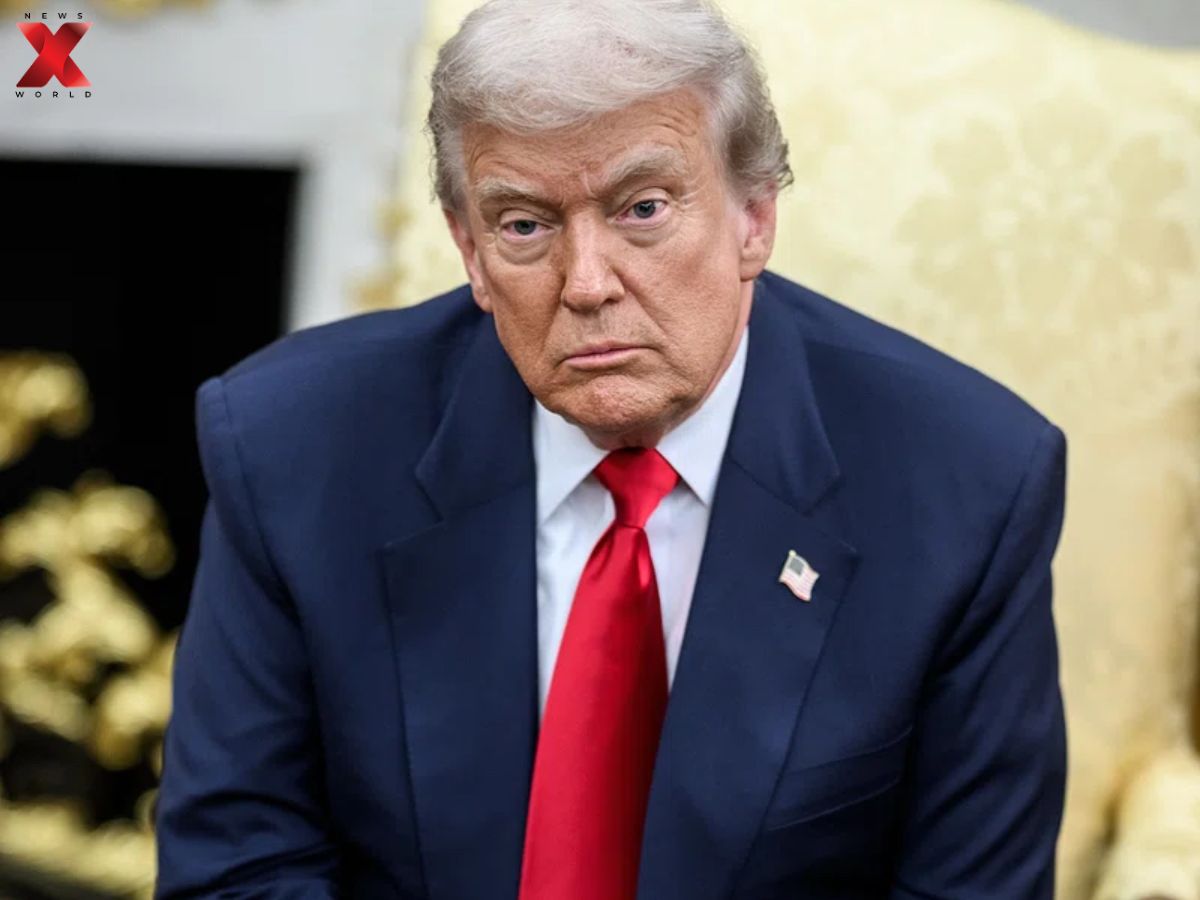
US Launches Strikes on Iran Amid Rising Tensions Over Helicopter Downing
The United States has initiated strikes against multiple targets in Iran, including southern port cities and Qeshm Island, following the alleged downing of a US Army Apache helicopter. Iranian state media reports these strikes have caused significant damage, including disrupting water supply for thousands. This escalation comes amidst reciprocal attacks and warnings from President Trump.
Key Highlights
- US launched 'self-defense' strikes on multiple targets within Iran.
- Strikes retaliated for Iran's alleged downing of a US Army Apache helicopter.
- Iranian state media reports water supply cut off for 20,000 residents in Sirik.
- President Trump warned of further "hard" strikes against Iran.
- Iran retaliated with missile and drone attacks on US bases in the region.
- Escalation threatens broader conflict in the Middle East.
Tensions in the Middle East have significantly escalated as the United States launched military strikes against multiple targets within Iran, a direct response to what Washington claims was the downing of a US Army Apache helicopter over Gulf waters. This series of events, unfolding primarily on June 10-11, 2026, marks a critical juncture in US-Iran relations, drawing widespread international attention.
According to reports from US Central Command (CENTCOM), the strikes were deemed 'self-defense' and a response to 'Iran's unwarranted and continued aggression.' President Donald Trump, who has been actively involved in rhetoric surrounding the conflict, vowed to 'hit them again hard today,' referencing the helicopter incident. Defence Secretary Pete Hegseth affirmed that the military would strike Iran 'hard' and 'clearly' to set terms for a deal Trump expects.
The targets of the US operations reportedly included critical infrastructure in southern Iran. Iranian state media, corroborated by several international news agencies, confirmed that US strikes hit cities such as Jask and Sirik, and Qeshm Island in the strategically vital Strait of Hormuz. A particularly concerning claim from Iranian state media is that the strikes damaged two reservoirs supplying the Bemani and Kouhestak areas of Sirik town. This alleged damage has reportedly resulted in 20,000 residents losing access to safe drinking water, a dire situation given the scorching temperatures ranging between 45 and 50 degrees Celsius in the region. Iranian water company officials were quoted describing conditions as 'extremely difficult and critical' for the local inhabitants and noted the insufficient groundwater to replace the damaged reservoirs.
Iran vehemently condemned the US strikes, asserting they were carried out 'under false pretext.' In a swift and direct retaliation, Tehran launched its own missile and drone attacks against what it identified as US bases in Bahrain, Jordan, and Kuwait. This tit-for-tat exchange highlights the precarious nature of the current situation and the high risk of further escalation across the broader Middle East. While some US officials suggested most Iranian projectiles were intercepted, the attacks underscore Iran's capability and willingness to respond militarily to perceived aggression.
The current crisis adds to a history of fraught relations between the two nations, particularly during the Trump administration. Earlier instances of significant tension include the December 2019 US airstrikes against the Iranian-backed Kata'ib Hezbollah militia in Iraq and Syria (not Iran), in retaliation for attacks on Iraqi bases hosting US forces that killed an American contractor. This was followed by the US assassination of Iranian General Qasem Soleimani in Baghdad in January 2020. Iran's subsequent retaliation involved ballistic missile attacks on US airbases in Iraq, which, while causing traumatic brain injuries to over 100 US personnel, resulted in no fatalities, a factor believed to have prevented further escalation at that time.
However, the current situation in June 2026 appears to involve direct US strikes on Iranian soil, a more significant escalation than the 2019-2020 events regarding geographical targets. The ongoing conflict has raised fears that both the United States and Iran, despite rhetoric from both sides hinting at a desire to avoid an all-out war, could be drawn into a wider, more destructive regional conflict. The Strait of Hormuz, a critical passageway for global oil and natural gas shipments, remains a focal point, with Iran reportedly leveraging its ability to influence traffic there as a bargaining chip. International diplomacy efforts, including reported negotiations by a Qatari team in Tehran, are underway to de-escalate tensions. The global community, including India with its significant energy interests in the Middle East, is closely watching these developments due to their potential impact on regional stability and global markets.
Frequently Asked Questions
Why did the United States launch strikes in Iran?
The United States launched strikes in Iran in retaliation for what it claims was the downing of a US Army Apache helicopter over Gulf waters by Iranian forces.
Where did the US strikes occur in Iran?
US strikes reportedly hit multiple targets in Iran, including the southern port cities of Jask and Sirik, and Qeshm Island in the Strait of Hormuz.
What humanitarian impact have the strikes had?
Iranian state media reports that US strikes damaged two water reservoirs in Sirik, cutting off access to safe drinking water for approximately 20,000 residents amid extreme temperatures.
How has Iran responded to the US strikes?
Iran has condemned the US actions and retaliated by launching missile and drone attacks against what it identified as US bases located in Bahrain, Jordan, and Kuwait.
What is President Trump's stance on the escalating conflict?
President Trump has issued strong warnings, threatening further 'hard' strikes against Iran and stating that the US is prepared to set terms for a negotiated deal.