India Begins Long-Delayed Digital Census, Including Caste Data
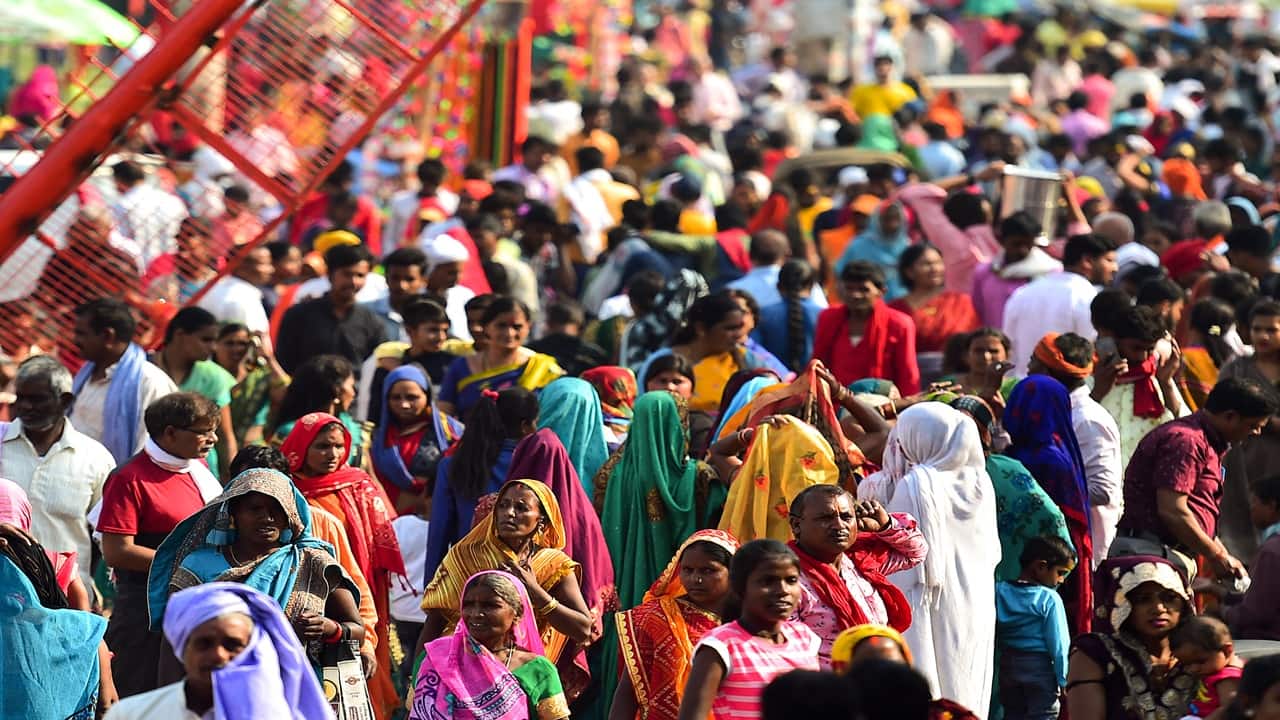
India has commenced its long-delayed national population census, a massive exercise that is being conducted digitally for the first time. This census, which started in April 2026 and is expected to conclude by March 2027, aims to provide crucial data for policy-making and will include a politically sensitive enumeration of caste for the first time since 1931.
Key Highlights
- India's 16th census began on April 1, 2026, after significant delays.
- This is the first census to be conducted digitally, with a self-enumeration option.
- Caste enumeration is included for the first time since 1931.
- The census data will inform welfare programs and political representation.
- Over 3 million officials are involved in this vast administrative exercise.
- The census is crucial for redrawing electoral constituencies and policy formulation.
India has officially launched its much-anticipated and long-delayed national population census, an undertaking of immense scale and significance that is set to conclude by March 2027. The commencement of the first phase on April 1, 2026, marks a pivotal moment for the country, being not only the largest such exercise globally but also the first to be conducted entirely digitally. This transition to digital enumeration, utilizing mobile applications and an online self-enumeration portal, represents a significant technological leap from the paper-based methods of previous censuses, promising greater accuracy and efficiency. The previous census was conducted in 2011, and the 2021 round had to be postponed due to the COVID-19 pandemic, followed by further logistical and administrative delays.
The census is structured in two phases. The first phase, which began on April 1, 2026, and will run until September 2026, focuses on house listing and housing conditions. This involves enumerators collecting data on buildings, amenities, and household assets. Citizens also have the option to self-enumerate through a secure, multilingual online portal. The second phase, scheduled for February 2027, will concentrate on population enumeration, gathering detailed demographic, social, and economic characteristics of each individual.
A landmark inclusion in this census is the enumeration of caste data for all communities, a feature that has been absent since 1931. While previous censuses post-independence only collected data for Scheduled Castes (SC) and Scheduled Tribes (ST), the current exercise aims to provide a comprehensive picture of caste demographics. This inclusion is politically significant, as caste has historically played a crucial role in social stratification and access to resources in India. The decision to include caste enumeration has been a subject of debate, with proponents arguing it is essential for targeted policy interventions and social justice, while critics have expressed concerns about potential social divisions and the politicization of caste identities.
The importance of the census extends far beyond mere population counting. It serves as the bedrock for India's robust welfare system, informing the allocation of resources for numerous government schemes related to housing, health, education, and employment. Furthermore, the data collected is fundamental for the delimitation of parliamentary and state assembly constituencies, a process that determines political representation. The delimitation exercise, which has been frozen since 1976, is expected to be undertaken based on the results of this census, potentially reshaping the political landscape and influencing the distribution of political power. The Women's Reservation Act, which mandates one-third reservation for women in legislative bodies, is also directly linked to the delimitation process, making the census critical for its implementation.
Mobilizing over three million government officials, the census is a logistical feat of national importance. The scale of the operation is immense, covering the entire country, from bustling metropolises to remote rural villages. The government has allocated a substantial budget of ₹11,718.24 crore for this massive exercise, underscoring its commitment to accurate data collection. The data gathered is vital for evidence-based policymaking, ensuring inclusive governance, and addressing the pressing challenges posed by India's rapidly growing population, which is estimated to have surpassed China's to become the world's most populous nation. The results will provide critical insights into demographic shifts, urbanization trends, and socio-economic disparities, guiding the nation's development trajectory for the next decade.
Frequently Asked Questions
When did India's latest census begin?
The first phase of India's latest population census began on April 1, 2026.
Why was the census delayed?
The census, originally planned for 2021, was delayed due to the COVID-19 pandemic and subsequent logistical and administrative challenges.
What is unique about this census?
This is India's first fully digital census, incorporating a self-enumeration option for citizens. It also includes caste enumeration for the first time since 1931.
How will the census data be used?
The census data is crucial for formulating government welfare policies, allocating resources, and for the delimitation of political constituencies, influencing representation in Parliament and state legislatures.
What is the timeline for the census?
The census is being conducted in two phases. Phase 1 (House Listing and Housing) runs from April to September 2026, and Phase 2 (Population Enumeration) is scheduled for February 2027.