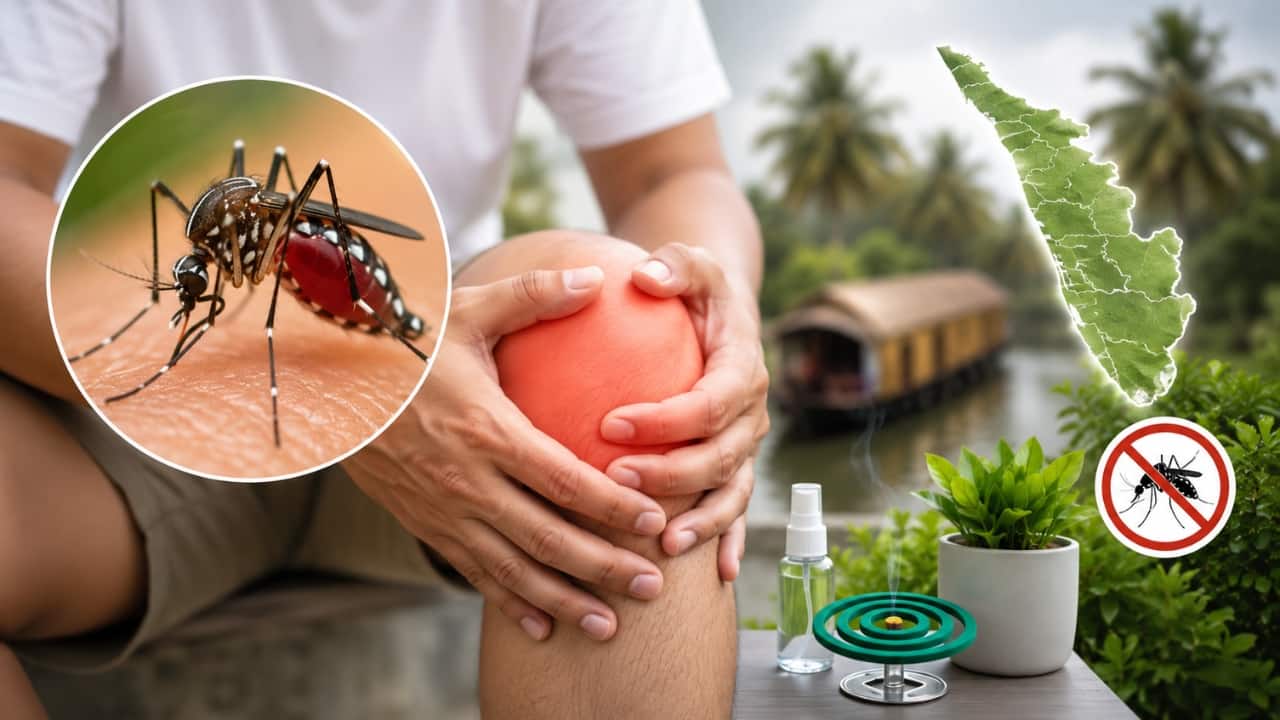
Kerala Sees Dengue Spike Amidst Monsoon; Health Dept Intensifies Control Measures
Kerala is experiencing an increase in dengue cases, with health officials reporting an "uptick" in infections, particularly since May. This surge coincides with the monsoon season and the state's ongoing efforts to combat other infectious diseases like Nipah virus, malaria, and shigella. The Health Department has intensified preventive measures, including a "Dry Day" campaign and public awareness drives, to curb the spread of the Aedes mosquito, the primary vector for dengue.
Key Highlights
- Kerala reports rising dengue cases, especially since May.
- Monsoon season exacerbates mosquito breeding and disease spread.
- Health department implements 'Dry Day' and awareness campaigns.
- State actively combats other infectious diseases alongside dengue.
- Preventive measures focus on source reduction of mosquito breeding sites.
Kerala is currently experiencing a significant increase in dengue cases, with health officials noting a notable "uptick" in infections, particularly since the month of May. This surge is occurring amidst the ongoing monsoon season, which is conducive to the breeding of Aedes mosquitoes, the primary vectors for dengue fever. The state health department has acknowledged the rising cases and is intensifying its efforts to combat the spread of the disease. This includes the implementation of a state-wide "Dry Day" campaign, where specific days are designated for sanitation efforts in schools, government offices, and households to eliminate potential mosquito breeding sites. Health Minister K. Muraleedharan has been actively involved in launching and promoting these initiatives, emphasizing the importance of public participation in maintaining clean surroundings and preventing water stagnation.
This uptick in dengue cases comes at a time when Kerala is already grappling with several other infectious diseases. Reports indicate that the state is also dealing with outbreaks of Nipah virus, malaria, and shigellosis, adding to the public health challenges. The health department is coordinating efforts across various sectors to address these multiple disease threats. For instance, stringent measures are being taken to ensure food and water safety, with intensified inspections of bottled water and food outlets, and regular testing of local water sources. The state is also focusing on public awareness campaigns to educate citizens about preventive measures for various waterborne and vector-borne diseases.
Dengue has been a recurring public health challenge in Kerala, with cyclical outbreaks observed in previous years, including major epidemics in 2013 and 2017. Historical data reveals a surge in cases in 2023 and 2024, followed by a decline in 2025, attributed partly to favorable weather conditions and shifts in virus serotypes. However, experts caution that these declines may be temporary, emphasizing the continued need for robust surveillance and mosquito control programs. Epidemiological studies have shown that all four dengue virus serotypes (DENV-1 to DENV-4) circulate in Kerala, with DENV-2 being the predominant strain. The risk of severe dengue infection is heightened by secondary infections with different serotypes.
The Kerala Health Department, in collaboration with local self-government bodies, is implementing a multi-pronged strategy. This includes intensive mosquito eradication drives, waste management initiatives, and sanitation campaigns. A high-level steering committee has recommended a coordinated, surveillance-driven approach, including the establishment of a Unified Public Health Command and Control Centre to monitor disease data in real-time. Hotspot mapping of infectious diseases is also being undertaken to intensify preventive measures.
Public health advisories are being issued, urging citizens to take precautions such as using insect repellents, wearing protective clothing, screening doors and windows, and importantly, removing any standing water around their homes that could serve as breeding grounds for mosquitoes. Special attention is being given to protecting children, with advice to keep them safe from mosquito bites. The government is also exploring long-term solutions, including the potential rollout of dengue vaccines. The current situation underscores the persistent threat posed by dengue in Kerala and the critical importance of sustained public health efforts to control vector-borne diseases, especially during the monsoon season.
Frequently Asked Questions
What is causing the recent increase in dengue cases in Kerala?
The increase in dengue cases in Kerala is primarily attributed to the monsoon season, which creates favorable conditions for the breeding of Aedes mosquitoes, the vectors that transmit the dengue virus. Intermittent rainfall followed by warm spells accelerates mosquito reproduction and larval growth.
What measures is the Kerala Health Department taking to combat dengue?
The Kerala Health Department has intensified preventive measures, including a state-wide 'Dry Day' campaign, public awareness drives, and enhanced surveillance. These efforts focus on eliminating mosquito breeding sites, promoting sanitation, and educating the public on preventive actions.
Is Kerala facing other infectious disease threats besides dengue?
Yes, Kerala is concurrently dealing with outbreaks of other infectious diseases, including Nipah virus, malaria, and shigellosis. The health department is coordinating a multi-pronged approach to manage these diverse health challenges.
Why is dengue considered a significant public health issue in Kerala?
Kerala is hyperendemic for dengue, with all four dengue virus serotypes circulating. The state has a history of cyclical outbreaks, and the risk of severe dengue is increased by secondary infections with different serotypes. Factors like climate change, urbanization, and sanitation challenges contribute to its persistence.