Six Shiv Sena (UBT) MPs Join Eknath Shinde Faction, Bolstering NDA Strength
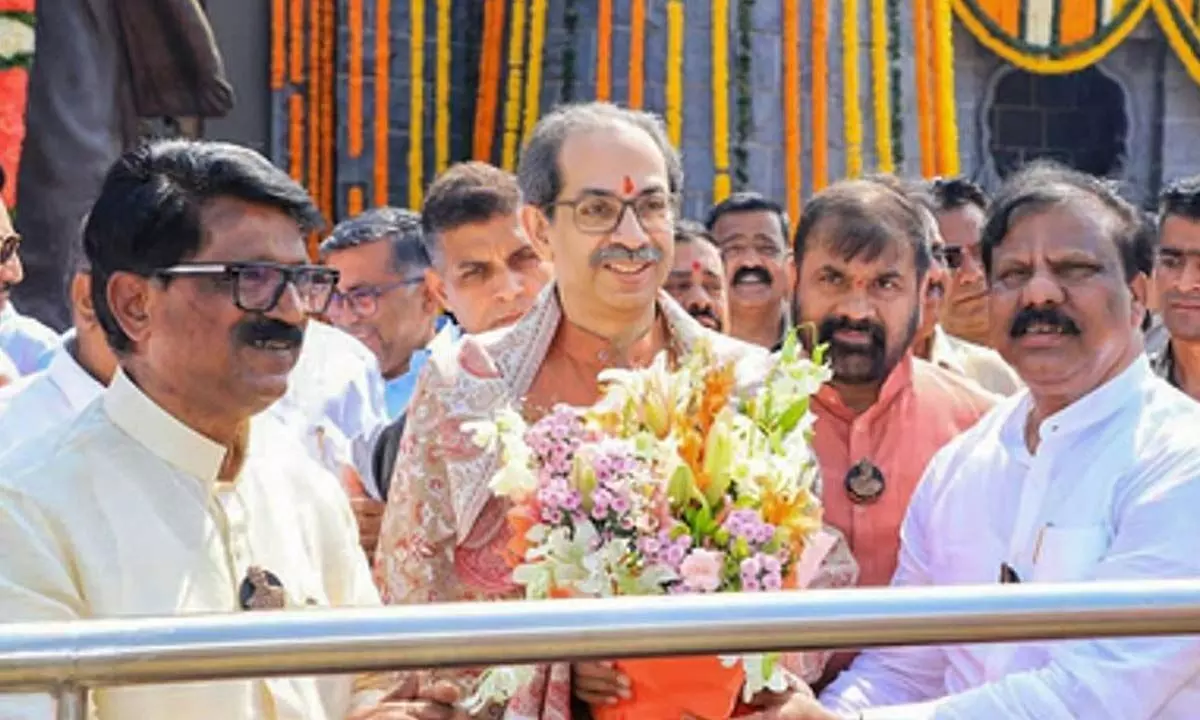
Six Lok Sabha MPs from the Shiv Sena (UBT) faction have officially joined the Eknath Shinde-led Shiv Sena, a move that significantly strengthens the ruling NDA alliance. The defecting MPs cited development issues and lack of funds in their constituencies as primary reasons for their switch, asserting that they are moving from 'one Shiv Sena to another'. This development marks a substantial political setback for Uddhav Thackeray's faction.
Key Highlights
- Six Lok Sabha MPs from Shiv Sena (UBT) defected to the Eknath Shinde faction.
- MPs cited development needs and constituency fund shortages as reasons for switching.
- The move strengthens the Eknath Shinde-led Shiv Sena's parliamentary numbers.
- This bolsters the BJP-led NDA's position in Maharashtra and at the Centre.
- The defection is a significant political blow to Uddhav Thackeray's faction.
- The MPs claim they are joining 'one Shiv Sena to another'.
In a significant political development, six Lok Sabha Members of Parliament (MPs) from the Uddhav Thackeray-led Shiv Sena (UBT) faction have officially joined the Eknath Shinde-led Shiv Sena. This move substantially bolsters the Shinde faction's parliamentary strength and reinforces its position within the BJP-led National Democratic Alliance (NDA). The defecting MPs, including Omraje Nimbalkar from Osmanabad and Nagesh Patil Ashtikar from Hingoli, have cited the lack of development funds and the inability to get work done for their constituents as the primary reasons for their decision. They emphasized that their move is not ideological but a practical one, essentially shifting allegiance from one Shiv Sena to another, given the Election Commission of India's decision to allot the original Shiv Sena name and 'bow and arrow' symbol to the Shinde faction in February 2023 [10, 11].
The political maneuver, dubbed 'Operation Tiger' by some media outlets, saw these MPs skip a crucial parliamentary party meeting called by Uddhav Thackeray, signaling their intent to break away [9, 22]. The two-thirds threshold required under the anti-defection law for forming a separate group without disqualification is met by these six MPs, who represent the majority of Shiv Sena (UBT)'s nine Lok Sabha members. The remaining three MPs who have remained with Uddhav Thackeray are Arvind Sawant, Anil Desai, and Rajabhau Waje [20, 26].
This mass defection deals a considerable blow to Uddhav Thackeray's Shiv Sena (UBT), diminishing its presence in Parliament and weakening its influence within the opposition Maha Vikas Aghadi (MVA) alliance [6]. Political observers view this as another major challenge for Thackeray, following the 2022 split that led to Eknath Shinde becoming the Chief Minister of Maharashtra with BJP support [8, 10].
For Eknath Shinde, this influx of MPs enhances his bargaining power at the Centre and strengthens his political standing within Maharashtra. It reduces the ruling coalition's dependence on other allies and elevates the Shinde faction's profile as a crucial constituent of the NDA. The increased numbers in Parliament are also seen as beneficial for the central government's legislative agenda, potentially aiding in the passage of bills like the women's reservation bill [12].
Union Home Minister Amit Shah has also commented on the developments, stating that the Eknath Shinde-led Shiv Sena is now the 'only Shiv Sena left,' further validating the Shinde faction's claim to the party's legacy [28].
The reasons cited by the MPs for their switch—developmental needs and fund crunch in their constituencies—highlight a common theme in Indian politics where alignment with the ruling power is often seen as crucial for delivering development. Nimbalkar, for instance, stated that repeated electoral setbacks in local body polls and the inability to stay aligned with the ruling side had affected development work in his constituency, Dharashiv [5, 13]. Similarly, Ashtikar mentioned the stalled progress of projects due to a lack of funds and the disadvantages of being in opposition [5, 13, 19].
The defection also raises questions about political accountability and voter mandates, particularly given that these MPs had campaigned on the argument of loyalty to Uddhav Thackeray and had accused the rebels of betrayal in the recent Lok Sabha elections [27]. The current situation underscores the fluid nature of political alliances and the strategic maneuvering that shapes India's political landscape, especially in Maharashtra, a state known for its complex political dynamics.
Frequently Asked Questions
How many Shiv Sena (UBT) MPs have joined the Eknath Shinde faction?
Six Lok Sabha MPs from the Shiv Sena (UBT) faction have joined the Eknath Shinde-led Shiv Sena.
What were the main reasons cited by the MPs for switching their allegiance?
The MPs cited issues related to development in their constituencies, lack of development funds, and the inability to get work done for their constituents as primary reasons for their switch.
What is the significance of this move for the Eknath Shinde faction?
The move significantly increases the parliamentary strength of the Eknath Shinde faction, bolsters its position within the NDA alliance, and enhances its bargaining power both in Maharashtra and at the national level.
What is the impact of this defection on Uddhav Thackeray's faction?
This defection marks a substantial political setback for Uddhav Thackeray's Shiv Sena (UBT), diminishing its presence in Parliament and weakening its influence within the opposition Maha Vikas Aghadi (MVA) alliance.