US, Iran Exchange Strikes Amid Escalating Strait of Hormuz Tensions
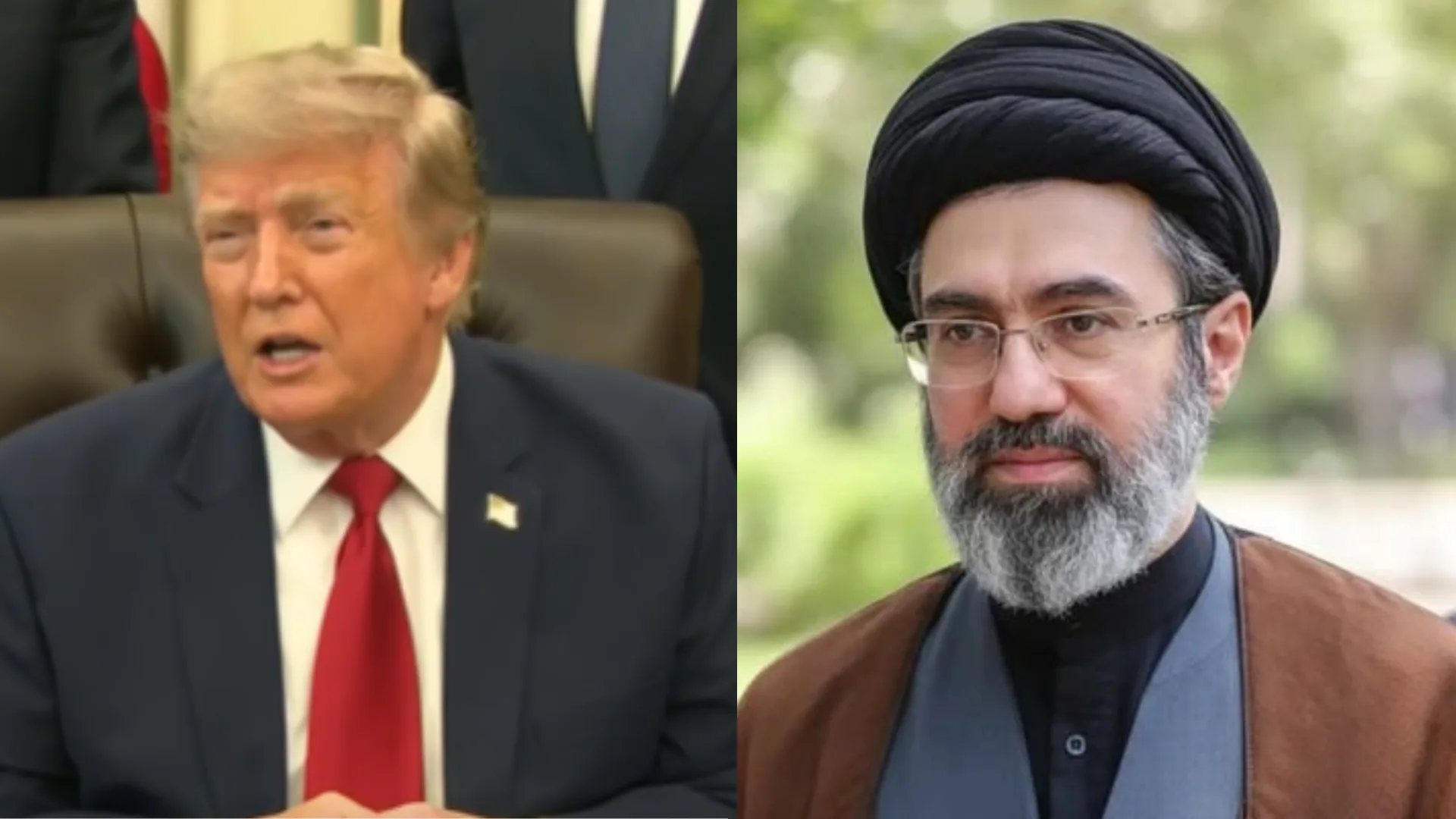
The United States has launched multiple waves of strikes against Iran in response to an Iranian attack on a container ship in the Strait of Hormuz. Iran retaliated with attacks on Bahrain, Kuwait, Qatar, Jordan, and Oman, escalating the conflict and jeopardizing ongoing negotiations.
Key Highlights
- US and Iran are engaged in escalating military strikes and retaliations.
- The conflict is centered around control and freedom of navigation in the Strait of Hormuz.
- Iran has attacked US military installations in Bahrain, Kuwait, Jordan, and Oman.
- The US has conducted multiple rounds of strikes on Iranian targets.
- Ongoing negotiations to end the war are at risk of collapse.
- The conflict has led to increased oil prices and regional instability.
The international community is closely monitoring a significant escalation in the conflict between the United States and Iran, marked by a series of retaliatory airstrikes and retaliatory attacks across the Middle East. The latest round of hostilities was triggered by an Iranian attack on a container ship in the strategically vital Strait of Hormuz, which resulted in the ship being set ablaze and a crew member going missing.
In response to the attack on the container ship, the United States launched multiple waves of strikes against Iran, aiming to degrade Iran's ability to attack commercial ships transiting the strait. These US strikes targeted various Iranian military assets, including missile and drone launch sites, ammunition dumps, communication equipment, air defense systems, and paramilitary Revolutionary Guard boats. President Donald Trump has stated that the US was seeking to "degrade" Iran's "ability to attack commercial ships freely transiting" the strait and has also declared that the US would reinstate a naval blockade on Iran and potentially charge ships for safe passage. The US military confirmed multiple rounds of strikes, with some reports indicating that these were heavier than in recent days, and that the conflict had effectively resumed after a period of ceasefire.
Iran, in turn, retaliated with attacks targeting US military installations and bases in several Gulf nations, including Bahrain, Kuwait, Qatar, Jordan, and Oman. The Islamic Revolutionary Guard Corps (IRGC) claimed responsibility for these strikes, alleging that they targeted command and control centers, radar systems, fuel storage facilities, and air defense systems. Jordan's military announced that its air defense systems intercepted Iranian missiles, and similar reports emerged from Bahrain and Kuwait, with some countries urging their citizens to seek shelter.
The conflict has significantly escalated the confrontation between Washington and Tehran, raising concerns about broader regional instability and the potential collapse of ongoing negotiations aimed at ending the war. The Strait of Hormuz, a critical chokepoint for global energy supplies, has become the central point of contention, with both sides asserting control and freedom of navigation. The heightened tensions have also led to a surge in oil prices, further impacting the global economy.
The article mentions that an interim ceasefire deal between the US and Iran had collapsed on July 8, 2026, after Iran allegedly struck commercial ships in the Strait of Hormuz, and the US responded with strikes on Iranian territory, followed by Iranian strikes on US bases in Gulf states. President Trump had previously notified Congress of renewed hostilities against Iran starting July 7, aiming to extend military action without congressional approval for another 60 days.
There are conflicting accounts regarding the exact timeline and claims of damage. While some reports suggest American officials reported no damage to US military installations in the Gulf, others claim destruction of radar systems and significant damage to fuel storage tanks and air defense systems. The article also notes that one Indian seafarer was killed and 10 others were seriously wounded by Iranian attacks on two tankers.
The situation remains highly volatile, with significant implications for regional security and global energy markets. The international community, including the UN and European Union, has called for de-escalation and a return to diplomatic negotiations.
Frequently Asked Questions
undefined
undefined
undefined
undefined
undefined
undefined
undefined
undefined