DRC Ebola Outbreak: 80 Deaths Reported in Ituri Province
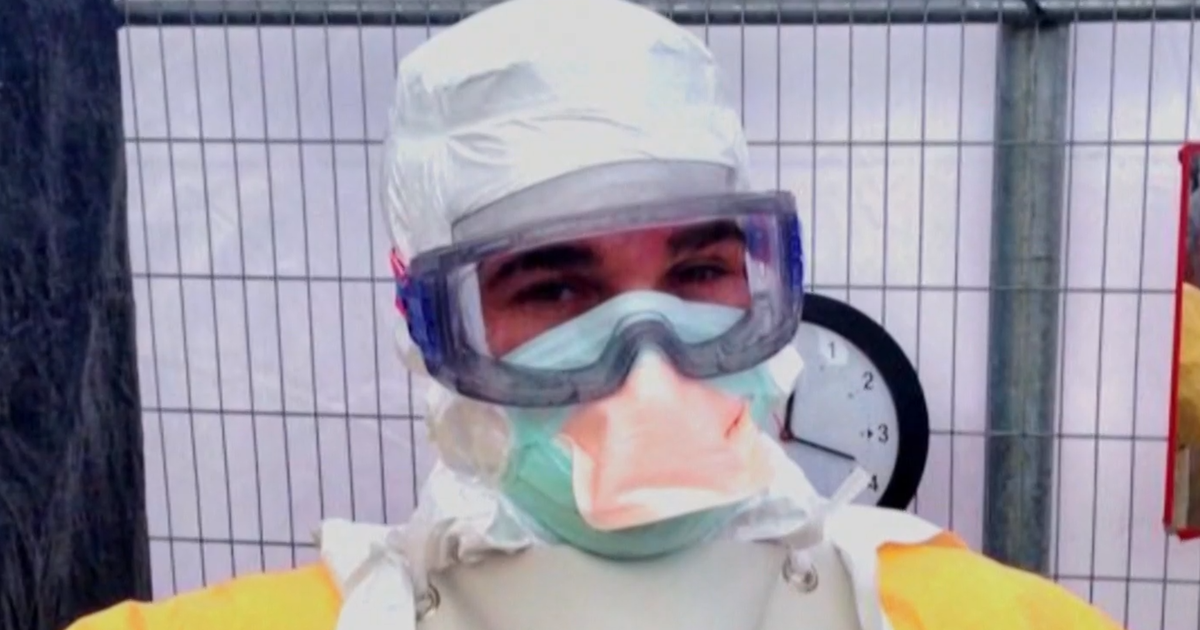
An Ebola outbreak in the Democratic Republic of Congo's Ituri province has led to at least 80 deaths, with health officials intensifying response efforts. The outbreak, caused by the Bundibugyo strain of the virus, has raised concerns about regional spread due to its proximity to Uganda and South Sudan.
Key Highlights
- Ebola outbreak in DRC's Ituri province reports 80 deaths.
- Bundibugyo strain identified; no approved vaccine available.
- Proximity to Uganda and South Sudan raises cross-border transmission fears.
- Health officials intensify screening and contact tracing.
- This is the 17th Ebola outbreak in the DRC.
- Index case possibly a nurse who died three weeks prior.
An Ebola outbreak in the Democratic Republic of Congo's (DRC) Ituri province has resulted in at least 80 reported deaths, prompting health officials to escalate emergency response measures. The outbreak, first announced on May 15, 2026, with 65 deaths and 246 suspected cases, has seen the death toll rise to 80 by May 16, 2026.. Health authorities are racing to intensify screening and contact tracing efforts to contain the spread of the disease..
The outbreak is concentrated in the Mongwalu and Rwampara health zones, with suspected cases also reported in Bunia, the provincial capital.. Preliminary laboratory results have confirmed the presence of the Ebola virus in 13 out of 20 samples tested by the National Institute of Biomedical Research (INRB) in Kinshasa.. Notably, the confirmed strain is the Bundibugyo virus, a variant less prominent in Congo's past outbreaks.. This identification is significant because there is no licensed vaccine specifically for the Bundibugyo strain, unlike the more common Zaire strain for which vaccines exist..
The suspected index case for this outbreak is reported to be a nurse who died at a hospital in Bunia approximately three weeks prior to the official announcement, presenting symptoms suggestive of Ebola.. The disease is highly contagious and spreads through direct contact with bodily fluids such as blood, vomit, or semen.. Symptoms typically include fever, severe headache, muscle pain, fatigue, diarrhea, vomiting, and in severe cases, unexplained bleeding or organ failure.. Recovery often depends on supportive care, and the mortality rate can be as high as 90%, though it averages around 50%..
This marks the 17th Ebola outbreak in the Democratic Republic of Congo since the virus was first identified there in 1976.. The DRC has a history of managing Ebola outbreaks, but often faces logistical challenges due to its vast size and ongoing conflict in some regions, which can hinder the delivery of expertise and supplies to affected areas..
The proximity of Ituri province to neighboring Uganda and South Sudan has raised significant concerns about the risk of cross-border transmission.. Uganda has already confirmed one imported Ebola case: a 59-year-old Congolese man who died in a Kampala hospital after testing positive for the Bundibugyo strain.. While no local transmission has been detected in Uganda yet, the situation necessitates heightened surveillance and preparedness in neighboring countries..
Africa's top public health agency, the Africa Centres for Disease Control and Prevention (Africa CDC), has convened an urgent meeting with health officials from the DRC, Uganda, and South Sudan, along with international partners, to reinforce cross-border surveillance, preparedness, and response efforts.. The agency highlighted concerns regarding the urban context of Bunia and Rwampara, intense population movement associated with mining activities, and ongoing conflicts in the region, all of which can complicate containment efforts and increase the risk of further spread..
The World Health Organization (WHO) is also scaling up support to the DRC government, deploying experts and providing essential supplies to aid in outbreak control measures, including strengthening disease surveillance, active case finding, contact tracing, and infection prevention and control in health facilities..
The Hindu, the source of the article, is a reputable Indian daily newspaper with a long history of reporting, first published in 1878.. The article's claims align with information from multiple credible sources, including the WHO, Africa CDC, and other international news outlets, indicating a verified and accurate report on the Ebola outbreak. The publication date of the article is May 16, 2026..
Frequently Asked Questions
What is the current death toll from the Ebola outbreak in the DRC's Ituri province?
As of May 16, 2026, at least 80 deaths have been reported in the Ebola outbreak in the Democratic Republic of Congo's Ituri province.
Which strain of Ebola virus is causing the current outbreak?
The current outbreak in the DRC's Ituri province is caused by the Bundibugyo strain of the Ebola virus.
Why is the proximity of the outbreak to Uganda and South Sudan a concern?
The proximity to Uganda and South Sudan is a concern due to the high population movement between the affected areas and these neighboring countries, increasing the risk of cross-border transmission. Uganda has already confirmed one imported case linked to this outbreak.
What are the main symptoms of Ebola?
Symptoms of Ebola typically include fever, severe headache, muscle pain, fatigue, diarrhea, vomiting, and in severe cases, unexplained bleeding or organ failure.