HPV Awareness Day 2026: India's Push to Eliminate Cervical Cancer
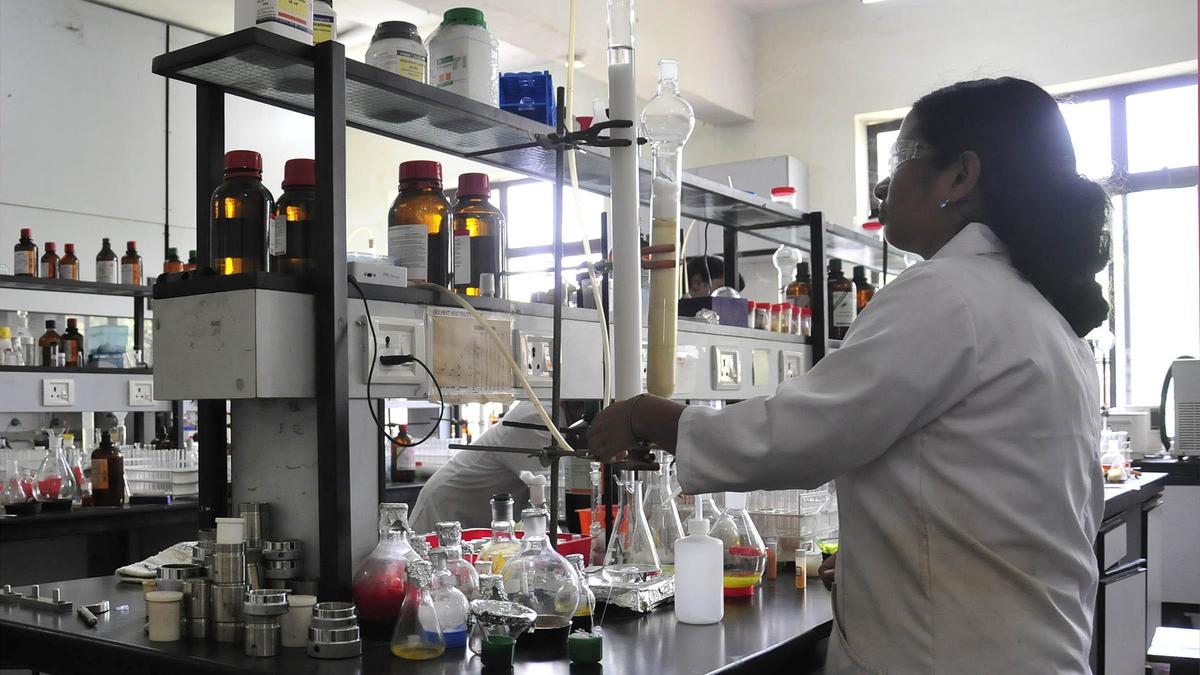
International HPV Awareness Day on March 4, 2026, highlights the critical need for awareness and prevention of Human Papillomavirus. India is significantly advancing its efforts with a nationwide free HPV vaccination drive for 14-year-old girls, aligning with WHO's goal to eliminate cervical cancer by 2030.
Key Highlights
- International HPV Awareness Day is observed annually on March 4th.
- India is launching a free HPV vaccination drive for 14-year-old girls.
- The initiative aims to eliminate cervical cancer, a major health issue in India.
- WHO targets 90% HPV vaccination coverage by 2030 for cervical cancer elimination.
- HPV vaccination is a key strategy for preventing HPV-related cancers.
- Awareness about HPV's link to various cancers is crucial for prevention.
International HPV Awareness Day, observed annually on March 4th, serves as a critical global platform to raise awareness about the Human Papillomavirus (HPV) and its significant health implications, particularly its link to various cancers. This year, the focus on HPV Awareness Day 2026 is amplified by India's ambitious nationwide free HPV vaccination drive for 14-year-old girls, a significant step towards aligning with the World Health Organization's (WHO) global strategy to eliminate cervical cancer by 2030 [5, 34, 38].
HPV is a widespread viral infection, with over 200 related types, most of which are transmitted through intimate skin-to-skin contact. While many infections are cleared by the immune system naturally, certain high-risk HPV types, notably HPV-16 and HPV-18, can persist and lead to cellular changes that may result in cancer over time [4]. HPV is responsible for nearly all cases of cervical cancer and significantly contributes to other cancers, including anal, oropharyngeal, vulvar, vaginal, and penile cancers [4].
Cervical cancer remains a major public health challenge in India, ranking as the second most common cancer among women and accounting for a substantial proportion of global cervical cancer deaths [3, 14, 16]. Annually, India records a high number of new cases and deaths due to this disease. Statistics indicate that HPV 16 and 18 are responsible for a significant majority of cervical cancers in India, with prevalence rates of HPV infection varying across different regions and populations within the country [2, 3, 6, 14, 16].
In response to this critical health burden, India has initiated a large-scale HPV vaccination drive. This program, set to commence in late February 2026, aims to provide free, voluntary HPV vaccination to approximately 12 million girls annually [34]. The vaccination targets 14-year-old girls, with a single-dose regimen recommended by the WHO, which has demonstrated strong immunity and high efficacy rates [34, 38]. The government has selected Gardasil, a quadrivalent vaccine, for this national program, offering protection against four key HPV types responsible for a majority of cervical cancers and genital warts [34]. This initiative is a crucial component of India's commitment to achieving the WHO's '90-70-90' targets by 2030: 90% of girls fully vaccinated with the HPV vaccine by age 15, 70% of women screened with a high-performance test by ages 35 and 45, and 90% of women identified with cervical disease receiving adequate treatment and care [29, 38].
The HPV vaccine's efficacy and safety have been established through extensive clinical trials and post-marketing surveillance worldwide [36]. The WHO recommends a one or two-dose schedule for girls aged 9-14, with modifications for older individuals and immunocompromised persons [36, 37]. The Indian government's decision to adopt a single-dose regimen aligns with WHO recommendations aimed at improving vaccine accessibility and program adoption, particularly in regions with limited healthcare access and high cervical cancer rates [31, 38].
Beyond vaccination, awareness and early screening remain vital pillars in the fight against HPV-related cancers. International HPV Awareness Day emphasizes the importance of dispelling misinformation, reducing stigma, and encouraging informed decision-making regarding vaccination and screening. While vaccination provides primary prevention, regular cervical cancer screening is crucial for early detection and treatment of precancerous lesions, which can significantly improve outcomes and reduce mortality [3, 10, 24, 27].
Globally, efforts are underway to accelerate the elimination of cervical cancer. Organizations like the European Cancer Organisation (ECO) are working to tackle inequalities in prevention access, advocating for gender-neutral vaccination, and promoting tailored approaches to reach all communities [12, 26]. The conversation extends to men as well, as HPV affects both genders and contributes to various cancers [4, 20].
Oncodaily, the source of this article, is a specialized platform dedicated to providing accurate and comprehensive news in oncology, committed to high journalistic standards and fact-checking [30, 32, 33, 35, 39]. The article accurately reflects the global observance of HPV Awareness Day and India's proactive stance in addressing HPV-related cancers.
Frequently Asked Questions
When is International HPV Awareness Day observed?
International HPV Awareness Day is observed annually on March 4th.
What is the main goal of India's HPV vaccination drive?
India's nationwide HPV vaccination drive aims to eliminate cervical cancer by providing free vaccination to 14-year-old girls.
Which HPV types are most responsible for cervical cancer in India?
HPV types 16 and 18 are responsible for the majority of cervical cancers in India.
What are the WHO's targets for cervical cancer elimination?
The WHO's targets for cervical cancer elimination by 2030 are: 90% of girls fully vaccinated with the HPV vaccine by age 15, 70% of women screened with a high-performance test by ages 35 and 45, and 90% of women identified with cervical disease receiving adequate treatment and care.