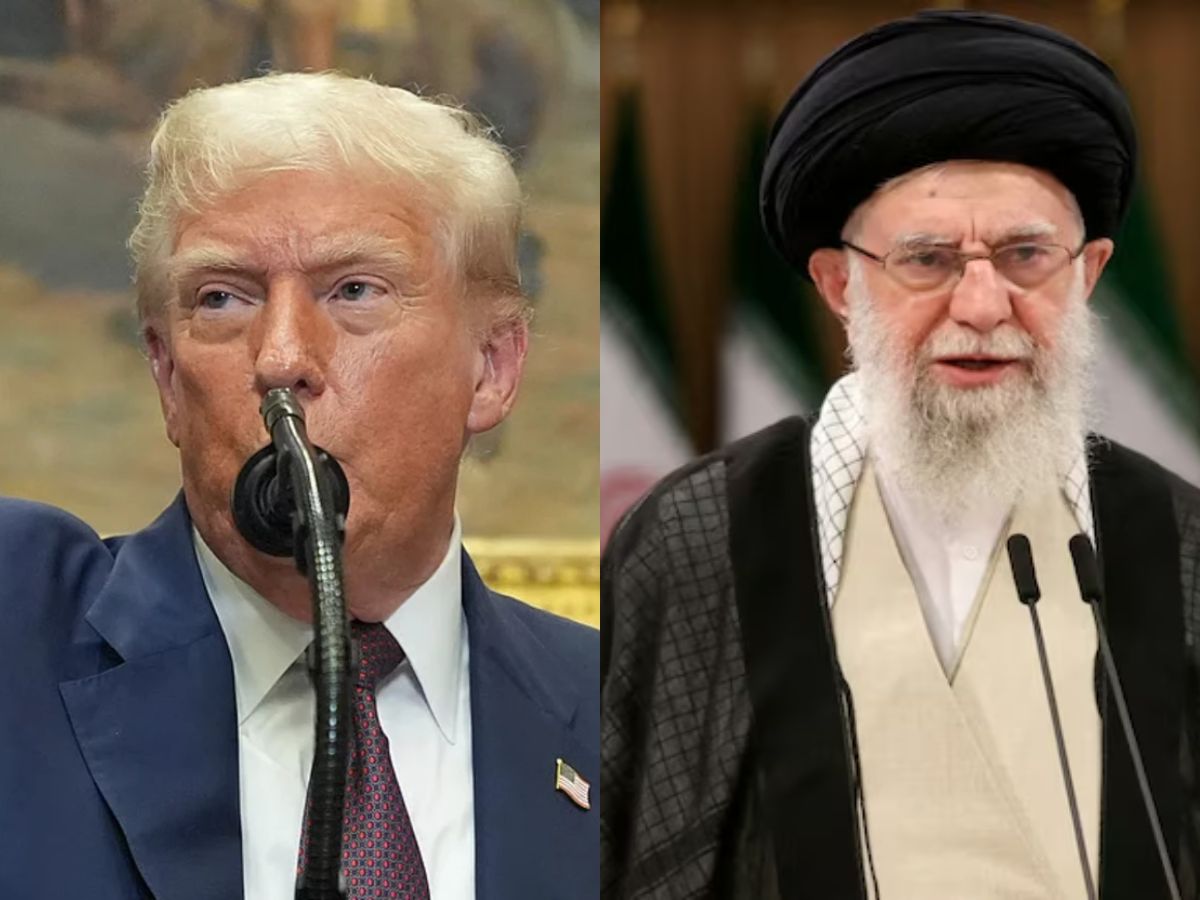
Iran Offers Nuclear Deal Compromises Amid US Warnings
Iran is open to discussing a nuclear deal with the United States, including curbs on its nuclear program and diluting enriched uranium, but only if Washington agrees to lift sanctions. This comes as US President Donald Trump issues military warnings, threatening 'traumatic' consequences if a deal is not reached.
Key Highlights
- Iran's Deputy Foreign Minister confirmed readiness for nuclear deal talks.
- Key condition for Iran is the lifting of US sanctions.
- US President Trump has issued military warnings and threats of 'traumatic' outcomes.
- Second round of US-Iran indirect nuclear talks scheduled in Geneva.
- Iran might consider diluting highly enriched uranium.
- US military presence in the Middle East has been bolstered with aircraft carriers.
In a significant development, Iran has expressed its readiness to consider compromises to reach a nuclear deal with the United States, provided Washington is willing to discuss lifting sanctions. This statement comes from Iran's Deputy Foreign Minister Majid Takht-Ravanchi, who conveyed this in an interview with the BBC on Sunday, February 15, 2026. The Iranian official highlighted that while Tehran is prepared to discuss aspects of its nuclear program, including the potential dilution of its highly enriched uranium, the removal of what Iran deems 'illegal sanctions' by the US is a prerequisite for any meaningful agreement. Iran has consistently denied seeking nuclear weapons, asserting its nuclear program is for peaceful purposes.
These remarks follow a period of heightened tensions and ongoing indirect negotiations between the two nations. The first round of talks reportedly took place in Oman in early February 2026, with a second round anticipated to be hosted in Geneva on February 17, mediated by Omani representatives. US President Donald Trump, currently in office, has been vocal about the need for a deal, warning Iran of 'very traumatic' consequences if an agreement is not reached. Trump has also reinforced the US military posture in the Middle East, with reports indicating the deployment of a second aircraft carrier to the region, a move seen by many as a means of exerting pressure on Tehran. He has also recalled past US military strikes on Iranian nuclear facilities during an Israel-Iran war in June 2025, implying potential future action if diplomacy fails.
The Trump administration's stance has been that Iran should not have any uranium enrichment under a deal, a position Tehran has rejected. However, Iran's willingness to discuss diluting its 60% enriched uranium, which is near weapons-grade, indicates a degree of flexibility, though it insists on retaining some enrichment capabilities. The US, meanwhile, seeks a comprehensive deal that not only limits Iran's nuclear program but also addresses its ballistic missile capabilities and its support for regional proxy groups. Israeli Prime Minister Benjamin Netanyahu, who recently met with President Trump, has also pressed for any deal to include measures to neutralize Iran's ballistic missile program and end its funding for groups like Hamas and Hezbollah.
The current negotiations are a continuation of efforts since April 2025, initiated after President Trump sent a letter to Iran's Supreme Leader Ali Khamenei, setting a two-month deadline for a nuclear peace agreement. The breakdown of previous talks in June 2025 led to an Israeli attack on Iranian nuclear sites and military infrastructure, escalating into a '12-day war' between Israel and Iran. The US had also imposed new sanctions targeting Iranian nuclear research and ballistic missile programs in May 2025. Despite the complexities and the history of conflict, the ongoing diplomatic efforts, albeit indirect, suggest a fragile pathway towards a potential resolution. The 'ball is in America's court' to demonstrate its sincerity in pursuing a deal, according to Iran. The situation remains critical, with the potential for either a breakthrough in negotiations or a further escalation of tensions.
For an Indian audience, this news holds significant importance due to the potential impact on global oil prices, regional stability in the Middle East—a crucial source of energy and a large Indian diaspora—and the broader implications for international diplomacy and non-proliferation efforts. Any escalation or resolution in the US-Iran nuclear standoff directly affects India's economic and strategic interests.
Frequently Asked Questions
What are Iran's conditions for a nuclear deal with the US?
Iran's Deputy Foreign Minister Majid Takht-Ravanchi stated that Iran is ready to discuss nuclear-related issues, including potential curbs on its program and diluting enriched uranium, only if the United States is prepared to discuss the lifting of sanctions.
What warnings has US President Donald Trump issued to Iran?
President Trump has warned that failure to reach a nuclear deal with his administration would lead to 'very traumatic' consequences for Iran. He has also authorized a significant military buildup in the Middle East, including deploying a second aircraft carrier, and referenced past US military strikes on Iranian nuclear sites.
What is the current status of US-Iran nuclear negotiations?
Indirect talks between the US and Iran commenced in Oman in early February 2026. A second round of negotiations is reportedly scheduled to take place in Geneva, Switzerland, on February 17, with Omani mediators facilitating the discussions.
Why is this news important for an Indian audience?
This news is highly relevant to India due to its potential impact on global oil prices, as the Middle East is a critical energy supplier. Escalation or de-escalation of tensions also affects regional stability, which is vital for the large Indian diaspora in the region, and has broader implications for international peace and non-proliferation efforts.
What specific nuclear concessions might Iran be willing to make?
Iran has indicated a willingness to discuss curbs on its nuclear program and the dilution of its highly enriched uranium (currently at 60%). However, it maintains its right to some uranium enrichment and has resisted linking nuclear discussions to its ballistic missile program or regional activities.