Iran imposes Strait of Hormuz transit fees amid ongoing conflict
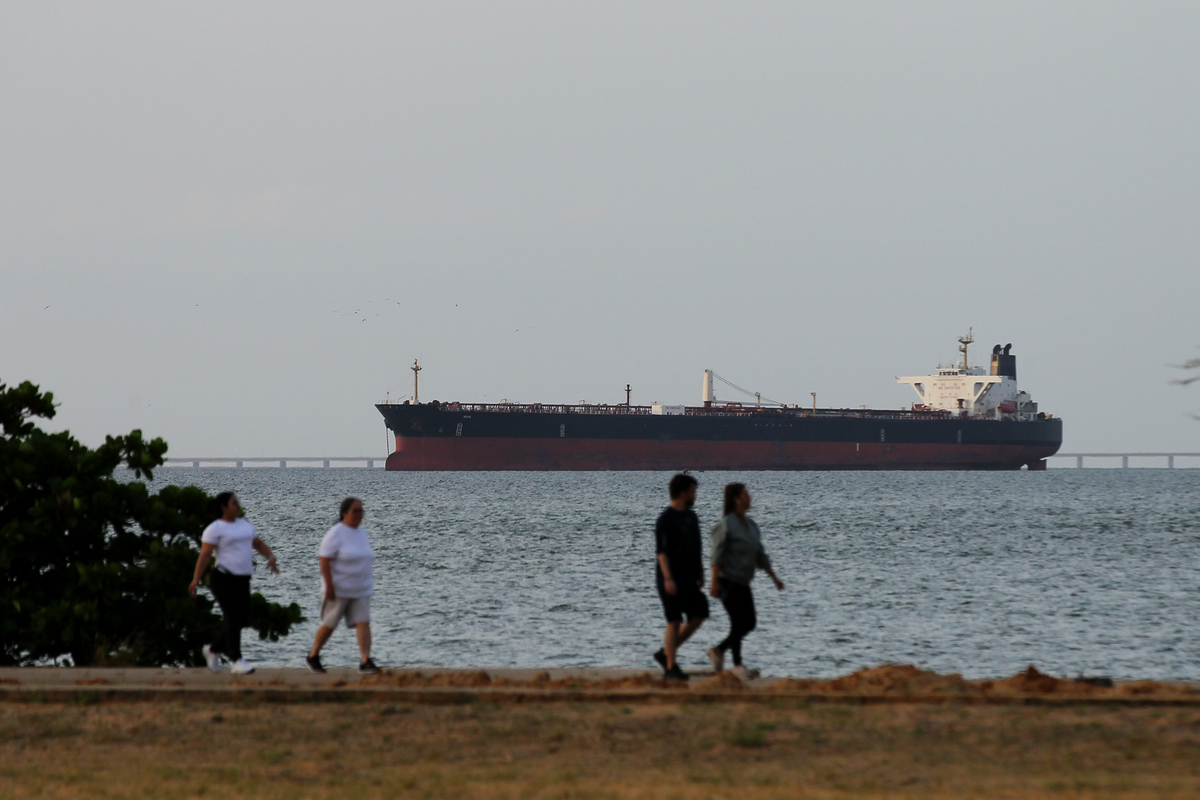
Iran has confirmed the implementation of transit fees for ships passing through the Strait of Hormuz, with charges reportedly ranging from $1.5 million to $2 million per vessel. This move comes amidst the ongoing conflict between Iran and Israel, which has severely disrupted global energy markets. Payments are accepted in various forms, including cash, cryptocurrency, goods, and barter. Iran and Oman plan to jointly manage the strait, a crucial chokepoint for global trade.
Key Highlights
- Iran has officially begun charging transit fees for ships in the Strait of Hormuz.
- Fees range from $1.5 million to $2 million per vessel, with diverse payment options.
- The strait's management will be a joint effort between Iran and Oman.
- India relies heavily on the Strait of Hormuz for energy imports.
- The conflict has led to significant disruptions in global oil and gas supply chains.
Iran has officially confirmed the implementation of a transit fee system for vessels navigating the strategically vital Strait of Hormuz. According to reports, these fees range from an average of $1.5 million to $2 million per ship. This development occurs amidst the backdrop of the ongoing conflict between Iran and Israel, which has led to significant disruptions in global energy markets and shipping routes. The introduction of these tolls represents a new phase in Iran's management of this critical chokepoint, a waterway through which approximately 20% of the world's oil and liquefied natural gas (LNG) passes annually.
Parliamentary officials in Iran have stated that the collected revenue will be deposited into the national treasury and allocated according to the budget law. Notably, Iran has diversified the payment options beyond traditional cash, accepting cryptocurrency such as Tether, as well as goods and barter arrangements. This move by Iran is seen by some as a way to generate revenue for post-war reconstruction and exert leverage in ongoing negotiations.
Iran and Oman are reportedly coordinating on the management of the Strait of Hormuz. Iranian Foreign Minister Abbas Araghchi has indicated that both nations, as bordering states, have a "natural right" to coordinate decisions regarding the strait's administration, aligning with international law. This joint management plan aims to ensure safe passage for all ships.
The Strait of Hormuz's importance cannot be overstated. It is one of the world's most critical maritime choke points, providing the only sea passage from the Persian Gulf to the open ocean. Its strategic significance is underscored by the fact that it is a vital route for energy exports from major oil-producing nations to global markets, including significant volumes destined for Asia, Europe, and India.
For India, the Strait of Hormuz is a critical lifeline for its energy security. The country imports a substantial portion of its crude oil, liquefied natural gas (LNG), and liquefied petroleum gas (LPG) from Gulf producers, with a significant share of these shipments traditionally transiting through the strait. While India has been diversifying its energy sources and supply routes, a considerable dependency on the Hormuz passage remains, making it vulnerable to geopolitical tensions and disruptions in the region.
The ongoing conflict has severely impacted global energy markets, leading to price surges and supply chain vulnerabilities. The introduction of transit fees by Iran adds another layer of complexity and cost for international shipping. The United States has expressed strong opposition to these fees, with President Donald Trump asserting that the waterway is an international route that should not be subject to tolls. The imposition of these fees is a direct challenge to the US demand for unrestricted navigation.
News reports indicate that Iran has been signaling its intent to control the strait as a strategic asset, using it to exert influence and generate revenue. The conflict, which began in February 2026 following US-Israeli strikes on Iran, has led to severe disruptions, with shipping traffic through the Strait being largely blocked or significantly constrained. This has resulted in a significant increase in oil prices, with Brent crude surpassing $100 per barrel at its peak.
Historically, the Strait of Hormuz has been governed under international maritime law, with the principle of transit passage ensuring free movement. However, Iran's actions, including the imposition of tolls, challenge this established regime and raise questions about the future of maritime governance in this critical waterway.
The situation highlights the delicate geopolitical balance in the region and the profound impact that conflicts in the Middle East can have on global energy security and economic stability. The ongoing developments in the Strait of Hormuz will continue to be closely monitored by governments, energy companies, and financial markets worldwide.
---
**Publication Date:** June 08, 2026 (as indicated by the article's timestamp and related news articles from the same date).
Frequently Asked Questions
What are the new transit fees for the Strait of Hormuz?
Iran has confirmed that ships transiting the Strait of Hormuz are now being charged an average of between $1.5 million and $2 million per crossing.
How is Iran accepting payments for these transit fees?
Payments are reportedly accepted in various forms, including cash, cryptocurrency (such as Tether), goods, and barter arrangements.
Who will manage the Strait of Hormuz?
Iran and Oman are planning to jointly manage the Strait of Hormuz, with a focus on ensuring safe passage for all ships in line with international law.
Why is the Strait of Hormuz so important for India?
The Strait of Hormuz is a critical lifeline for India's energy security, as a significant portion of its crude oil, LNG, and LPG imports pass through this waterway from Gulf producers.