North India Gripped by Cold Wave: Delhi Sees Coldest January in 3 Years | Quick Digest
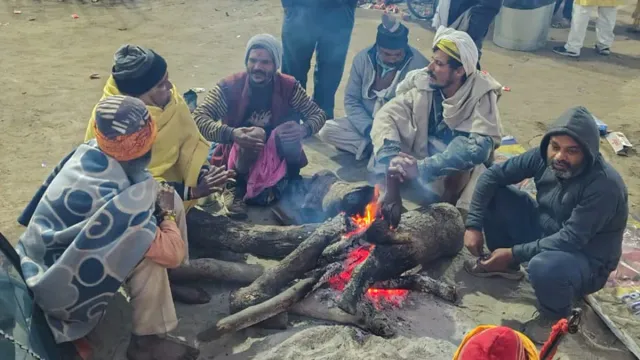
North India is experiencing a severe cold wave, with Delhi recording its coldest January morning in three years at 3 degrees Celsius. Chandigarh also registered its chilliest night in nine years, impacting daily life across the region and worsening air quality.
Delhi recorded 3°C, its coldest January morning in three years.
Chandigarh saw its chilliest night in nine years at 2.8°C.
Cold wave conditions are prevalent across North Indian states.
Minimum temperatures significantly below normal in several areas.
Delhi's air quality deteriorated to 'very poor' amidst cold.
IMD predicted continued cold wave conditions in the region.
North India is currently under the grip of an intense cold wave, with several states experiencing severe winter conditions. Delhi recorded its coldest January morning in three years on January 13, 2026, when the minimum temperature plummeted to 3 degrees Celsius. This was significantly below the seasonal average and marked the chilliest January morning since January 16, 2023, when the mercury dipped to 1.4 degrees Celsius.
Chandigarh also experienced extreme cold, registering a minimum temperature of 2.8 degrees Celsius, which was four degrees below normal and its chilliest night in nine years. Other regions in North India, including Rajasthan, Punjab, Haryana, and Jharkhand, are also battling intensifying cold waves. Places like Gurugram and Bathinda reported temperatures as low as 0.6 degrees Celsius. The India Meteorological Department (IMD) has declared cold wave conditions when minimum temperatures fall 4.5 to 6.4 degrees below normal, and such conditions are widely observed across the affected states.
The harsh weather has severely impacted daily life, with people venturing out in heavy winter clothing and seeking warmth from bonfires. In addition to the biting cold, Delhi's air quality has deteriorated to the 'very poor' category, with the Air Quality Index (AQI) settling at 337, according to Central Pollution Control Board (CPCB) data. The combination of cold temperatures, calm winds, and fog contributes to the worsening pollution levels. The IMD has forecast the persistence of cold wave conditions over the national capital and surrounding areas for the coming days.
Read the full story on Quick Digest