Middle East Conflict Escalates: Tehran Hit, IEA Warns of Energy Crisis
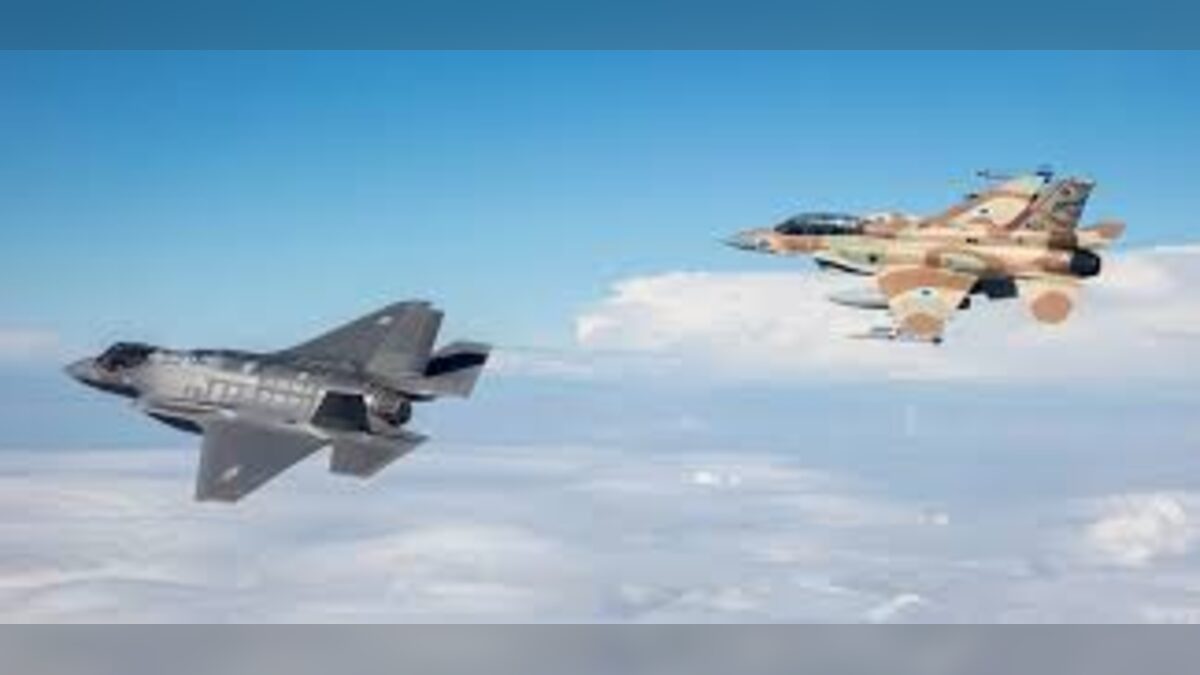
As Israel launched extensive airstrikes on Tehran, sparking widespread explosions, the IEA chief warned of the worst global energy crisis in decades. This escalation follows a US ultimatum to Iran over the Strait of Hormuz, intensifying a conflict with significant international repercussions.
Key Highlights
- Israel launched extensive airstrikes across multiple Tehran districts.
- Explosions rattled Iranian capital amidst escalating conflict.
- IEA chief Fatih Birol warned of a severe global energy crisis.
- US issued 48-hour ultimatum for Iran to reopen Strait of Hormuz.
- Iran threatened retaliation against US/Israeli energy infrastructure.
- Global oil prices surged, impacting financial markets worldwide.
The Middle East is experiencing a critical escalation in conflict on March 23, 2026, as Israel launched a widespread wave of airstrikes targeting infrastructure in the Iranian capital, Tehran. Numerous explosions were reported across several districts of Tehran early Monday morning, with Iranian news agencies like Fars and Mehr confirming the strikes and loud blasts in areas including Piroozi Street, Shahid Babaei Highway, Heravi Square, and Hafez Street. The Israeli military confirmed it had initiated a "wide-scale wave of strikes" on what it described as Iranian terror regime infrastructure in Tehran.
These events unfold against a backdrop of heightened tensions, with US President Donald Trump issuing a 48-hour ultimatum to Iran to "fully open" the crucial Strait of Hormuz, or face military action targeting its power plants. In response, Iran's paramilitary Revolutionary Guard threatened to attack electrical plants in West Asia that power American military bases, and also indicated it might target US and Israeli energy and infrastructure assets if its own facilities are struck. Iran has further warned that the Strait of Hormuz, a vital global shipping lane for approximately 20% of the world's oil supplies, would be "completely closed" if the US acts on its threats.
The ongoing conflict, which began on February 28, 2026, with surprise US and Israeli airstrikes on Iran, has already led to significant casualties, with reports of over 1,500 deaths in Iran and more than 1,000 in Lebanon, alongside civilian and military casualties in Israel and US forces. Satellite images from earlier in March showed toxic fires burning for days after Israeli bombings on oil depots in Tehran, raising fears of serious health implications for millions of residents. An Indian national was among those reported injured due to falling debris after a missile interception in Abu Dhabi, United Arab Emirates, highlighting the regional impact of the conflict. Saudi Arabia also reported intercepting ballistic missiles on Monday.
The economic ramifications are proving severe and global. Fatih Birol, Executive Director of the International Energy Agency (IEA), issued a grave warning on March 23, 2026, stating that the world faces its "worst energy crisis in decades" due to the war in West Asia. Birol emphasized that the current situation is "very severe" and has a worse combined impact than the two oil shocks of the 1970s, as well as the effects of the Russia-Ukraine war on gas markets. He noted that the world has already lost 11 million barrels per day in supply, surpassing the 10 million barrels per day lost during both 1970s crises combined. The IEA is consulting with governments on potentially releasing more strategic oil stockpiles if necessary.
Markets have reacted sharply to the escalating crisis. Benchmark US oil contract WTI was up, climbing towards $100 a barrel, while Asian stock markets, including South Korea's Kospi index and Japan's Nikkei, experienced significant drops. In India, government bonds plummeted, and the rupee neared a record low against the dollar, reflecting foreign fund outflows and a crashing equity market. The US Treasury Secretary Scott Bessent has indicated that military deployment to Iran's Kharg Island, Iran's primary oil export hub, remains a possibility, signaling further potential escalation. The ongoing nature of the conflict means that developments, including potential retaliatory actions and impacts on global energy and financial markets, are subject to real-time changes and continued monitoring.
International efforts are being urged to de-escalate the situation, with calls for the reopening of the Strait of Hormuz to restore global shipping. However, the war is in its 24th day, with no immediate signs of de-escalation, and continues to pose a major threat to global economic stability and regional security.
Frequently Asked Questions
What is the immediate cause of the escalation in the Middle East conflict?
The immediate escalation on March 23, 2026, is driven by extensive Israeli airstrikes on Iran's capital, Tehran, and a 48-hour ultimatum from US President Donald Trump to Iran to reopen the Strait of Hormuz, coupled with Iranian threats of retaliation against US and Israeli energy infrastructure.
How severe is the energy crisis warned by the IEA, and what is its cause?
The International Energy Agency (IEA) chief Fatih Birol warned that the world faces its 'worst energy crisis in decades,' describing the situation as 'very severe.' It is attributed to the ongoing conflict in West Asia, which has disrupted oil supplies by an estimated 11 million barrels per day, surpassing the combined impact of the two 1970s oil shocks.
What is the significance of the Strait of Hormuz in this conflict?
The Strait of Hormuz is a strategically vital waterway through which approximately 20% of the world's oil supplies pass. The US has issued an ultimatum for its full reopening, while Iran has threatened to completely close it if its infrastructure is attacked, raising fears of severe global energy supply disruptions.
What has been the impact of this conflict on India?
The escalating conflict has led to significant economic impacts on India, including a plummeting Indian rupee against the dollar, reaching near-record lows, and a crashing equity market due to foreign fund outflows. Additionally, an Indian national was injured in Abu Dhabi amidst regional missile interceptions.
What is the current status of the war between US/Israel and Iran?
The war, which began on February 28, 2026, is in its 24th day, marked by ongoing military exchanges including Israeli airstrikes on Tehran, Iranian missile attacks on Israel and US interests, and threats of further escalation. There are no immediate signs of de-escalation, and international bodies are calling for efforts to resolve the crisis.