Drones from Iraq Attack Saudi Pipeline, Sparking Global Oil Supply Concerns
Saudi Arabia's crucial East-West oil pipeline was hit by drone attacks originating from Iraq on September 10, 2026, leading to its temporary shutdown. This incident, amid escalating regional tensions and Red Sea shipping disruptions, threatens global oil supplies and has driven up crude prices, posing significant economic ramifications for major importers like India.
Key Highlights
- Saudi Arabia's East-West pipeline attacked by drones from Iraq on Sept 10, 2026.
- Pipeline shut down as a precautionary measure; fires reported at sites.
- Iraq confirmed origin from its territory, condemned act, and started investigation.
- US attributed responsibility to Iran amidst heightened regional tensions.
- Global oil prices surged; significant impact on India's energy security feared.
- Attack occurs alongside Houthi rebels tightening grip on Red Sea shipping.
A significant attack occurred on September 10, 2026, when Saudi Arabia's vital East-West Crude Oil Pipeline (also known as Petroline) was struck by multiple drone attacks, forcing its temporary shutdown. Saudi authorities confirmed the attacks originated from Iraq, a claim corroborated by Iraq's central government.
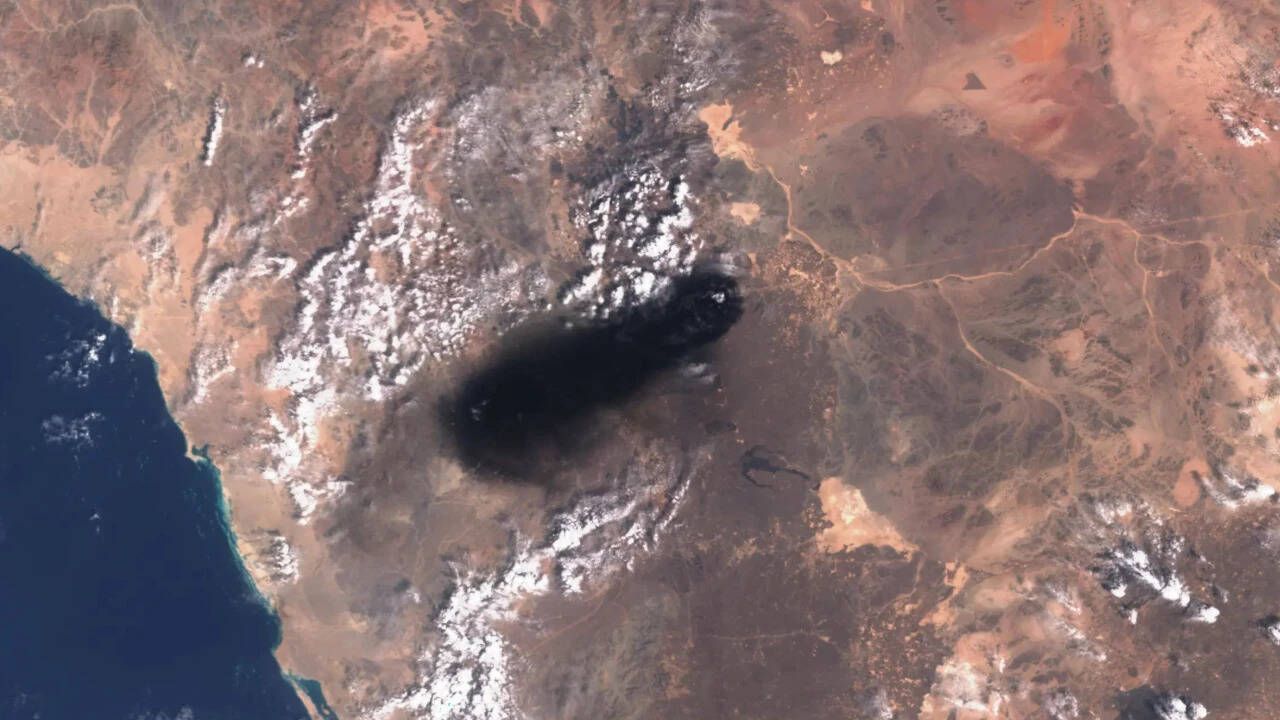
The attacks targeted pumping stations along the pipeline in the Riyadh and Madinah regions, causing fires and leading to an unspecified number of injuries. Satellite imagery from September 10 detected nine large fires burning near the pipeline, with six appearing to originate from flare pits used for emergency oil and gas burn-off. The Saudi Ministry of Energy announced the precautionary shutdown of the 7 million barrels per day (bpd) East-West pipeline, which is a critical conduit for exporting crude from Saudi Arabia's eastern oil fields to the Red Sea port of Yanbu, effectively bypassing the Strait of Hormuz.
In response to Saudi Arabia's statements, Iraq's central government confirmed that the drone attacks originated from its territory. Baghdad condemned the unnamed perpetrators and launched an immediate investigation to identify those responsible, even dismissing a military commander overseeing operations in Maysan Province in southern Iraq. While Iraq did not formally attribute blame, the United States President Donald Trump stated that Iran was "probably responsible" for the aerial attack. This U.S. stance aligns with previous instances where Saudi Arabia had blamed Iran-backed groups in Iraq for drone attacks on its oil fields in July 2026.
The incident unfolds amidst a backdrop of severe regional instability and escalating tensions. Earlier in 2026, the region saw a US-Israeli attack on Iran in February and Iran's subsequent de facto closure of the Strait of Hormuz, which amplified the strategic importance of the East-West pipeline as an alternative export route. Furthermore, Yemen's Iran-backed Houthi rebels have intensified their actions in the Red Sea. They recently claimed the capture of the Red Sea port city of Mocha and have tightened their grip around the Bab el-Mandeb strait, a crucial chokepoint for global shipping and a key outlet for Saudi oil exports to Asia. These actions have led to maritime blockades and attacks on vessels, forcing the shipping industry to reroute, causing insurance premiums to spike.
The attacks on Saudi Arabia's oil infrastructure have immediate global ramifications, particularly for oil markets. Brent crude prices had already surpassed $100 per barrel earlier in the week due to the escalating West Asia conflict and attacks on regional oil tankers and infrastructure. The pipeline shutdown, therefore, added further pressure, with the potential for sustained price hikes if the damage is extensive or the disruption prolonged.
For India, a country heavily reliant on oil imports (importing 1.8-2 billion barrels annually), these developments carry significant economic implications. Every dollar increase in oil prices can add up to $2 billion to India's annual import bill, and a 10% price increase typically widens its current account deficit by 0.4% of GDP. While India has diversified its crude oil sources, a prolonged conflict or disruption in the Middle East, where a substantial portion of its LPG and LNG imports originate, could lead to higher freight rates, increased war-risk insurance premiums, and inflationary pressures. Indian authorities are reportedly in contact with Saudi counterparts to ensure continued supplies, highlighting the critical importance of regional stability for India's energy security and overall economic health. This latest attack underscores the vulnerability of global energy supplies to geopolitical conflicts in the Middle East.
Frequently Asked Questions
When and where did the drone attack on the Saudi pipeline occur?
The drone attack on Saudi Arabia's East-West Crude Oil Pipeline occurred on September 10, 2026. It targeted pumping stations along the pipeline in the Riyadh and Madinah regions of Saudi Arabia.
Who is responsible for the pipeline attack?
Saudi Arabia stated the drones originated from Iraq, a claim confirmed by the Iraqi government which also initiated an investigation. The U.S. President Donald Trump indicated that Iran was 'probably' responsible for the attack.
Why is the East-West pipeline important?
The East-West pipeline is crucial for Saudi Arabia as it transports crude oil from the kingdom's eastern fields to the Red Sea, allowing Saudi oil exports to bypass the strategically sensitive and often volatile Strait of Hormuz. Its disruption has significant implications for global energy security.
What is the impact of this attack on global oil prices and India?
The attack led to the temporary shutdown of a major oil pipeline and occurred amidst already high regional tensions, causing global oil prices (Brent crude) to surge above $100 per barrel. For India, a large oil importer, this translates to a higher import bill, potential widening of the fiscal deficit, and increased inflationary pressures.
How does this relate to other recent events in the Middle East?
This attack is part of escalating regional tensions that include a prior US-Israeli attack on Iran and Iran's effective closure of the Strait of Hormuz. Additionally, Houthi rebels in Yemen have been active in the Red Sea, threatening shipping lanes and further complicating the regional energy supply landscape.