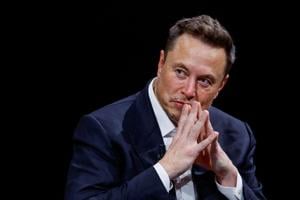
Musk clashes with Macron over UK's child social media ban
Elon Musk criticized French President Emmanuel Macron's praise for the UK's upcoming ban on social media for under-16s. While Macron supported the move as a protection for children, Musk warned it could lead to a "government surveillance state." The UK's ban, set to take effect in spring 2027, aims to restrict children's access to various social media platforms.
Key Highlights
- UK plans to ban social media for under-16s by spring 2027.
- Emmanuel Macron supports the UK ban, calling it a movement.
- Elon Musk warns the ban enables government surveillance.
- France has also enacted a social media ban for under-15s.
- The UK ban includes restrictions on livestreaming and stranger communication.
In a recent exchange that has garnered significant attention, Elon Musk has voiced strong criticism of French President Emmanuel Macron's endorsement of the United Kingdom's impending ban on social media access for individuals under the age of 16. Macron, in a statement on X, expressed his support for the UK's initiative, describing it as part of a growing global movement to protect children online. However, Musk, the owner of X (formerly Twitter), vehemently disagreed, warning that such measures could pave the way for a "government surveillance state" and labelling the UK's approach a "police state" that enables government tracking.
The UK's proposed ban, slated to be implemented in spring 2027, aims to prevent children under 16 from accessing a wide range of social media platforms, including popular ones like TikTok, Instagram, Facebook, Snapchat, YouTube, and X. Beyond a complete ban, the regulations will also impose restrictions on features such as livestreaming and direct communication with strangers for younger users. The move is part of a broader effort by the UK government to enhance online safety for children and is informed by public consultations, which indicated strong parental support for such measures.
This development is occurring against a backdrop of increasing global concern over the impact of social media on child development and mental health. In a related but separate move, France has already enacted its own legislation, banning social media for children under 15. French President Macron has been a vocal proponent of these measures, emphasizing the need to protect children from the potentially harmful effects of algorithms designed to maximize user engagement and from the risks of online predators.
Musk's strong opposition to the UK ban, framing it as an infringement on freedoms and a step towards increased state surveillance, contrasts sharply with Macron's perspective. Musk has previously expressed concerns about the psychological impact of social media on children, even admitting it might have been a mistake not to limit his own children's social media usage in the past. However, his critique of the UK's policy appears to focus more on the potential for government overreach and the erosion of online privacy, rather than solely on the protection of minors.
The UK's Online Safety Act, which underpins some of these measures, already mandates age verification for accessing certain harmful content, such as pornography and material related to self-harm and suicide, employing methods like facial scans and ID checks. The new social media ban for under-16s extends these regulatory efforts, aiming to create a safer digital environment for young people.
The differing viewpoints highlight a complex debate about balancing child protection with individual freedoms and the role of government in regulating online spaces. While France and the UK are moving towards stricter controls, figures like Musk and Telegram founder Pavel Durov have voiced concerns about the potential for these regulations to be misused for surveillance and to curtail online liberties.
The news is particularly relevant to India, which has a large youth population and a rapidly growing digital landscape. Discussions around social media regulation, child safety online, and the balance between parental control and digital freedom are increasingly important for Indian policymakers and the public. The global trends in this area, as exemplified by the UK and French initiatives, will likely influence future policy discussions and debates within India regarding the responsible use of social media by minors.
Frequently Asked Questions
What is the UK planning regarding social media for children?
The UK government plans to ban social media access for individuals under the age of 16, with the regulations expected to take effect in spring 2027. This includes restrictions on features like livestreaming and direct communication with strangers for younger users.
What was Emmanuel Macron's reaction to the UK's proposed ban?
French President Emmanuel Macron praised the UK's initiative, viewing it as part of a positive global movement to protect children online. He shared his support on X, thanking Britain for joining this effort.
What is Elon Musk's stance on the UK's social media ban for minors?
Elon Musk has strongly criticized the UK's ban, warning that it could lead to a "government surveillance state" and referring to it as a "police state." He believes such measures infringe on online freedoms.
Has any other country implemented a similar ban on social media for children?
Yes, France has already enacted a law banning social media for children under 15. Several other countries are also considering or have implemented age-based restrictions for social media use.