US-Israel-Iran Conflict Escalates: Hormuz Disruptions, India Prepares for Oil Fallout
An active US-Israel-Iran conflict has led to significant disruptions in the vital Strait of Hormuz, causing oil prices to surge. India, heavily reliant on Middle Eastern oil, is implementing contingency plans, including exploring increased Russian crude imports and potential fuel rationing, to mitigate economic fallout.
Key Highlights
- US and Israel launched strikes on Iran; Iran retaliated against regional targets.
- Strait of Hormuz is effectively closed for commercial shipping due to attacks and insurance withdrawals.
- Global oil prices have surged, with Brent crude reaching $79-82/barrel.
- India is preparing with strategic reserves, export curbs, and diversified oil sourcing.
- The conflict threatens approximately 20% of global oil supply and causes wider economic instability.
A significant geopolitical crisis has unfolded in the Middle East, with an active military conflict involving the United States, Israel, and Iran, which commenced on February 28, 2026. This escalation began with joint US-Israeli military strikes on Iran, leading to the reported killing of Iran's Supreme Leader Ali Khamenei and other senior Iranian leadership figures. In retaliation, Iran launched missile and drone attacks against targets in Israel, US military bases in the Gulf states, and other regional allies. The conflict has been described as a 'war' by multiple international news outlets and analytical bodies.
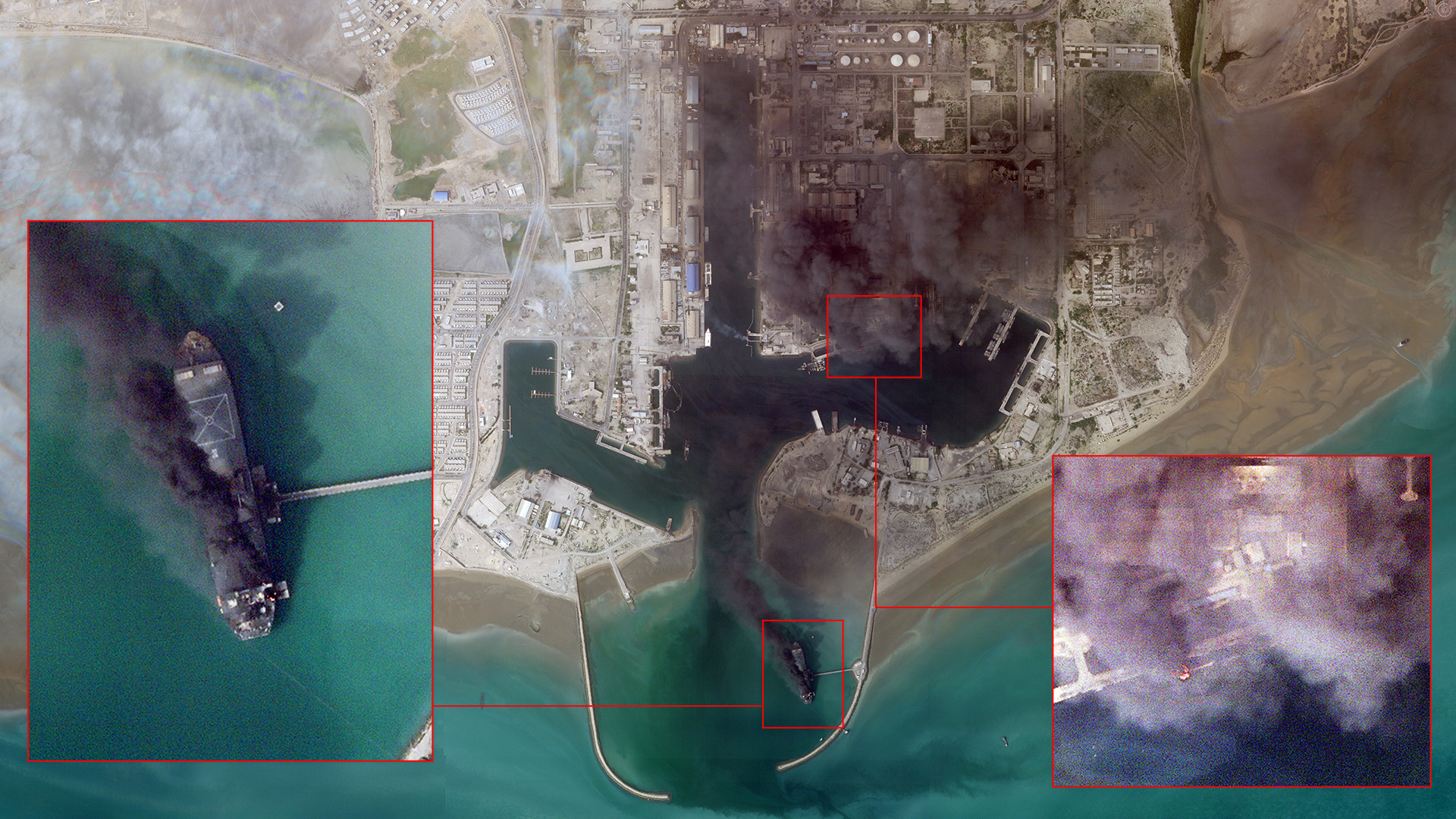
A major consequence of this escalating conflict is the severe disruption to shipping through the Strait of Hormuz, a critical maritime chokepoint. While not formally declared a blockade, the Strait is effectively closed for commercial shipping due to the withdrawal of major commercial operators and insurers, coupled with explicit threats and attacks on vessels in the region. Reports confirm attacks on several commercial vessels, including a Honduran-flagged fuel tanker, Athe Nova, which was reportedly set ablaze after being hit by drones on March 2, 2026. Vessel tracking data indicates a significant reduction, or even a virtual halt, in commercial tanker traffic through the Strait, with hundreds of ships either drifting or holding position in the Gulf of Oman.
This disruption in the Strait of Hormuz, through which approximately 20% of the world's daily oil supply, alongside significant volumes of liquefied natural gas (LNG), transits, has inevitably led to a surge in global oil prices. Brent crude futures have seen substantial increases, rising to around $79-$82 per barrel, with some analysts forecasting potential spikes to $85-$90 or even exceeding $100 per barrel in prolonged escalation scenarios. This is not merely a 'geopolitical risk premium' but a 'real supply disruption' impacting physical barrels across crude, products, LPG, and LNG simultaneously. The sudden surge in energy costs is expected to exacerbate inflationary pressures globally, particularly affecting net energy importers.
For India, a nation that relies on imports for over 80% of its crude oil requirements and where nearly two-thirds of its crude imports transit through the Strait of Hormuz, the situation presents a critical challenge to its energy security and economic stability. The Indian government is actively formulating and implementing comprehensive contingency plans to manage the potential economic fallout. These measures include evaluating restrictions on petrol and diesel exports to bolster domestic availability, increasing imports of Russian crude oil which is readily available in Asian waters, and tapping into the country's strategic petroleum reserves. India currently holds strategic crude oil reserves sufficient for 17-18 days of consumption and refined fuel inventories for 20-21 days, providing a short-term buffer against immediate supply shocks. Furthermore, demand-management protocols, such as rationing LPG for consumers with alternative fuel options, are also under consideration in extreme scenarios.
India's energy security strategy has evolved to include multi-vector diversification, seeking to source crude oil from over 40 nations across different geopolitical zones to minimize concentration vulnerabilities. This approach aims to reduce reliance on any single region or transit route, a strategy reinforced by the current crisis. The current situation underscores India's vulnerability to global energy market volatility and highlights the imperative for continued diversification and strengthening of domestic energy infrastructure, including expanding strategic reserve capacity to a 90-day coverage target by 2030. The ongoing conflict and its implications for global energy flows, trade balances, and inflation present a complex and evolving challenge for policymakers worldwide, with a particularly acute focus on major energy-consuming nations like India.
Frequently Asked Questions
What is the current status of the US-Israel-Iran conflict?
As of March 3, 2026, there is an active military conflict between the US, Israel, and Iran, which began with US-Israeli strikes on Iran on February 28, 2026, followed by Iranian retaliation against regional targets.
How has the Strait of Hormuz been affected by the conflict?
The Strait of Hormuz is effectively closed for commercial shipping due to direct attacks on vessels, threats from Iran, and the withdrawal of insurance coverage for transit. This has led to a significant halt in tanker traffic.
What is the impact of this conflict on global oil prices?
The conflict has caused global oil prices to surge, with Brent crude reaching $79-$82 per barrel. The disruption in the Strait of Hormuz threatens about 20% of global oil supply, indicating a real supply disruption beyond mere risk premium adjustments.
How is India preparing for the potential economic fallout from oil supply disruptions?
India is implementing contingency plans including considering restrictions on petrol and diesel exports, increasing imports of Russian crude, utilizing its strategic petroleum reserves, and potentially rationing LPG to manage fuel shortages.
What percentage of global oil supply passes through the Strait of Hormuz?
Approximately 20% of the world's daily oil supply, along with significant volumes of liquefied natural gas (LNG), typically transits through the Strait of Hormuz.