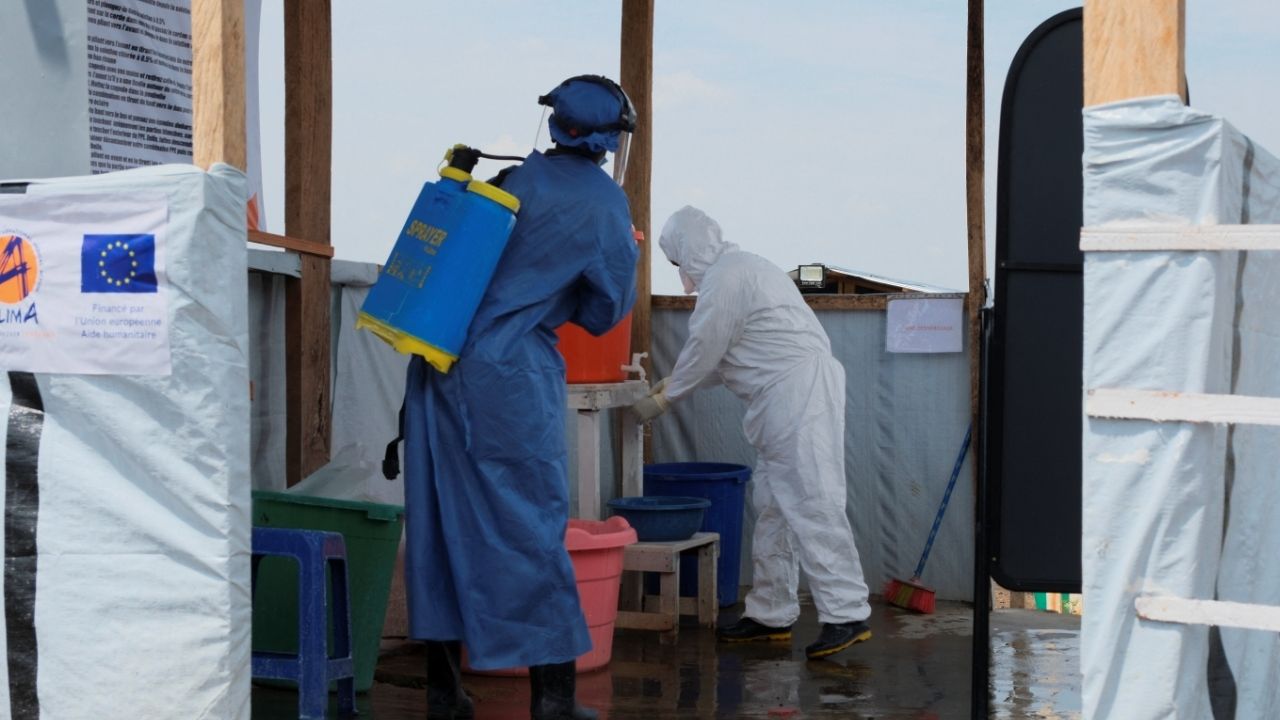
Ebola Outbreak in DR Congo Claims Over 200 Lives
An Ebola outbreak, caused by the Bundibugyo virus, has tragically claimed over 200 lives in the Democratic Republic of Congo and spread to Uganda. The outbreak, declared in May 2026, is the largest Bundibugyo Ebola outbreak recorded and is challenging to control due to insecurity, displacement, and community mistrust. International health organizations are scaling up response efforts, but challenges remain in contact tracing and reaching affected communities.
Key Highlights
- Ebola outbreak in DR Congo and Uganda has surpassed 200 deaths.
- Bundibugyo virus strain is responsible for the current outbreak.
- Insecurity and mistrust hinder control efforts in affected regions.
- Over 35,000 potential contacts are being monitored.
- International aid is being mobilized to support the response.
The Democratic Republic of Congo (DRC) is currently grappling with a severe Ebola outbreak, primarily caused by the Bundibugyo virus, which has led to over 200 confirmed deaths and spread to neighboring Uganda. This outbreak, declared in May 2026, has been characterized as the largest Bundibugyo Ebola outbreak on record and presents significant challenges to containment. As of mid-June 2026, the number of confirmed cases in the DRC had surpassed 875, with more than 202 deaths reported. Uganda has also reported cases, with 19 confirmed cases and two deaths linked to transmission originating from the DRC.
The severity of this outbreak is highlighted by its rapid spread and the difficulties in controlling it. Factors contributing to the challenges include ongoing insecurity, significant population displacement due to years of conflict in regions like Ituri province, and a persistent mistrust between communities and healthcare workers. This mistrust, as noted by the World Health Organization (WHO), is a major barrier to effective response efforts, as communities may feel neglected or that outside interventions are solely for self-protection.
Contact tracing, a crucial element in controlling Ebola outbreaks, has been particularly challenging. The vastness of the affected provinces, coupled with poor infrastructure, remote villages, and frequent population movements—including those of artisanal miners—make it difficult to track all potential contacts. As of mid-June 2026, only a fraction of the estimated 17,000 to 35,000 potential contacts were being effectively tracked. The WHO has warned that the virus is still increasing its geographic spread within Congo, and that the ongoing community transmission means cases are likely being missed.
The Bundibugyo virus strain, responsible for this outbreak, is particularly concerning as there is no approved vaccine or specific treatment for it, unlike the more common Zaire Ebola virus strain that has caused most of the DRC's previous outbreaks. While clinical trials for promising new medicines are expected to commence, the immediate response relies heavily on supportive care and infection prevention measures.
International health organizations, including the WHO and the Centers for Disease Control and Prevention (CDC), are actively involved in the response. Efforts include scaling up surveillance, contact tracing, clinical preparedness, laboratory support, and community engagement. The CDC has committed emergency funding, and international partners are providing crucial aid, including logistical support, treatment facilities, and personnel. However, organizations like Doctors Without Borders (MSF) have expressed concern that current strategies may be insufficient given the scale of the emergency, warning that the number of infections is outpacing the deployed resources.
The outbreak's impact extends beyond health, exacerbating existing humanitarian crises in regions affected by conflict. The WHO has stressed the need for a holistic approach, addressing not only Ebola but also other health concerns like malaria, measles, and malnutrition, and working towards peace and stability in the affected communities.
Ebola disease is a rare but serious illness caused by an orthoebolavirus. It spreads through direct contact with the bodily fluids of an infected person or contaminated objects. Symptoms typically appear 2 to 21 days after exposure and can include fever, fatigue, headache, muscle pain, vomiting, and diarrhea. In severe cases, it can lead to internal bleeding and organ failure. Ebola is not spread through the air.
The situation remains dynamic, with continuous efforts to adapt response strategies to the evolving challenges. The international community's commitment to supporting the DRC and Uganda is vital in the ongoing fight against this deadly outbreak.
Frequently Asked Questions
What is the current death toll of the Ebola outbreak in the Democratic Republic of Congo and Uganda?
As of mid-June 2026, the Ebola outbreak in the Democratic Republic of Congo and Uganda has claimed over 200 lives. Specific figures indicate over 202 deaths in the DRC and two in Uganda.
What type of Ebola virus is causing the current outbreak?
The current outbreak is caused by the Bundibugyo virus, a rare strain of Ebola for which there is no approved vaccine or specific treatment.
What are the main challenges in controlling the Ebola outbreak?
Key challenges include ongoing insecurity, population displacement, mistrust between communities and healthcare workers, and difficulties in contact tracing due to the vastness of the region and frequent population movements.
How is Ebola transmitted?
Ebola is transmitted through direct contact with the bodily fluids of an infected person (such as blood, vomit, urine, feces, saliva, sweat, tears, mucus, breast milk, semen) or by touching contaminated objects. It is not spread through the air.
What is being done to combat the outbreak?
International health organizations like the WHO and CDC are scaling up surveillance, contact tracing, clinical preparedness, laboratory support, and community engagement. Emergency funding and aid are being mobilized, and clinical trials for new medicines are expected.