US-Iran talks uncertain as ceasefire nears end; oil prices dip
As a critical two-week ceasefire between the US and Iran nears its expiration, peace talks in Pakistan remain uncertain despite US optimism. The expiration deadline is April 22, and while both sides express a willingness to negotiate, significant hurdles persist, impacting global oil prices.
Key Highlights
- US-Iran peace talks in Pakistan face uncertainty despite US confidence.
- Fragile two-week ceasefire between US and Iran set to expire April 22.
- Both nations express willingness to negotiate, but significant hurdles remain.
- Oil prices dipped amid expectations of renewed peace talks.
- Strait of Hormuz remains a point of contention and potential conflict.
- US Vice President JD Vance to attend talks, Iran's participation unconfirmed.
As the critical two-week ceasefire between the United States and Iran approaches its expiration on April 22, 2026, the prospects for a lasting peace remain uncertain, despite a degree of optimism from the US regarding ongoing negotiations in Pakistan. While US officials express confidence that talks will proceed, and a senior Iranian official indicated Tehran is positively reviewing its participation, significant hurdles and a high degree of uncertainty persist. The fragile truce, which began on April 8, has been instrumental in de-escalating tensions, but its imminent end casts a shadow over the diplomatic efforts.
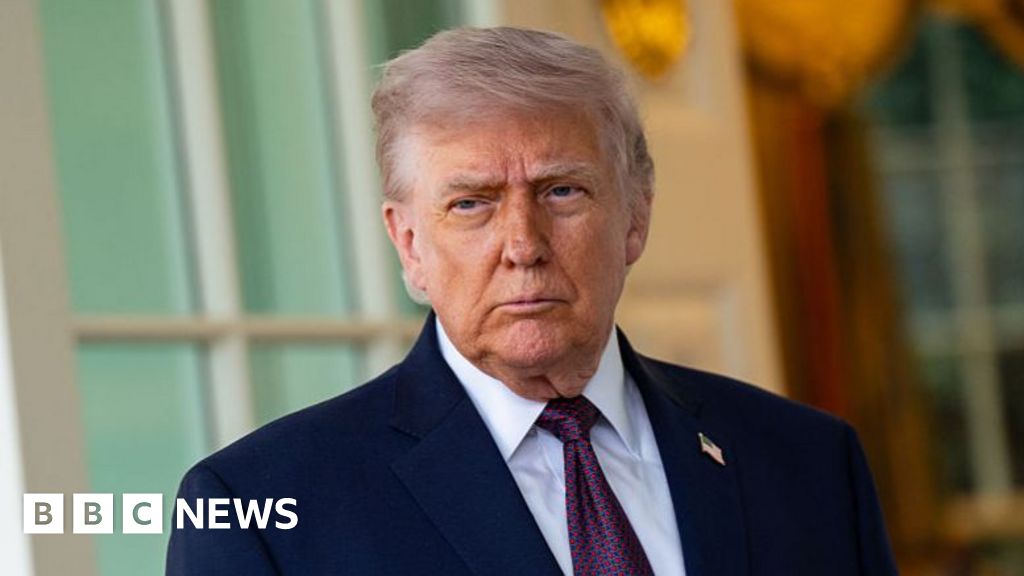
US President Donald Trump has maintained a firm stance, emphasizing that Iran cannot develop nuclear weapons and that the Strait of Hormuz will remain blockaded until a deal is signed. Tehran, on the other hand, aims to leverage its control over the Strait of Hormuz to achieve sanctions relief without impeding its nuclear program. Despite earlier indications that Iran might skip the negotiations, there are now reports suggesting a delegation might attend. US Vice President JD Vance is expected to travel to Islamabad for the talks. The Pakistani government is reportedly working to facilitate the negotiations, with sources indicating momentum for talks to recommence on April 22.
However, conflicting signals and rhetoric from both sides underscore the precariousness of the situation. Iran has condemned alleged US actions, such as the seizure of an Iranian vessel, while the US insists on its right to maintain blockades. The US has also asserted that it is 'winning the war by a lot' and is 'under no pressure' to make a deal, while simultaneously indicating that a deal could be reached 'relatively quickly.' This mixed messaging contributes to the overall uncertainty surrounding the peace process.
The impact of these developments is being felt in global markets. Oil prices, which had surged on doubts about the talks, have seen a decline as expectations of renewed negotiations rose. However, any breakdown in talks could lead to renewed volatility.
For India, the situation in the US-Iran conflict has geopolitical and economic implications, particularly concerning energy security and trade flow through the Strait of Hormuz. India has historically advocated for dialogue and diplomacy and welcomed the initial ceasefire, emphasizing the importance of unimpeded trade. However, India's own complex relationship with both the US and Iran, influenced by its strategic interests and international pressures, places it in a delicate position. The erosion of India's economic and diplomatic stake in Iran over the past two decades due to US pressure campaigns highlights these complexities.
The core issues at stake remain Iran's nuclear program, the lifting of sanctions, and regional security. The US demands a complete halt to uranium enrichment, while Iran insists on its right to enrich uranium. These fundamental disagreements, coupled with a history of mistrust and retaliatory actions, make the path to a sustainable peace challenging. The current diplomatic efforts, even if they proceed, appear to be more about managing confrontation than achieving a definitive resolution, reflecting a broader strategic mismatch between the two nations' objectives.
Frequently Asked Questions
When is the US-Iran ceasefire set to expire?
The two-week ceasefire between the US and Iran is set to expire on April 22, 2026.
Where are the current US-Iran peace talks taking place?
The current peace talks are scheduled to take place in Islamabad, Pakistan.
What are the main sticking points in the US-Iran negotiations?
Key disagreements include Iran's nuclear program, the lifting of sanctions, and control over the Strait of Hormuz. The US demands a halt to uranium enrichment, while Iran insists on its right to enrich.
What is the impact of these developments on global oil prices?
Oil prices have shown volatility, dipping as expectations of peace talks rise, but are prone to fluctuations based on the progression of negotiations and potential escalation.